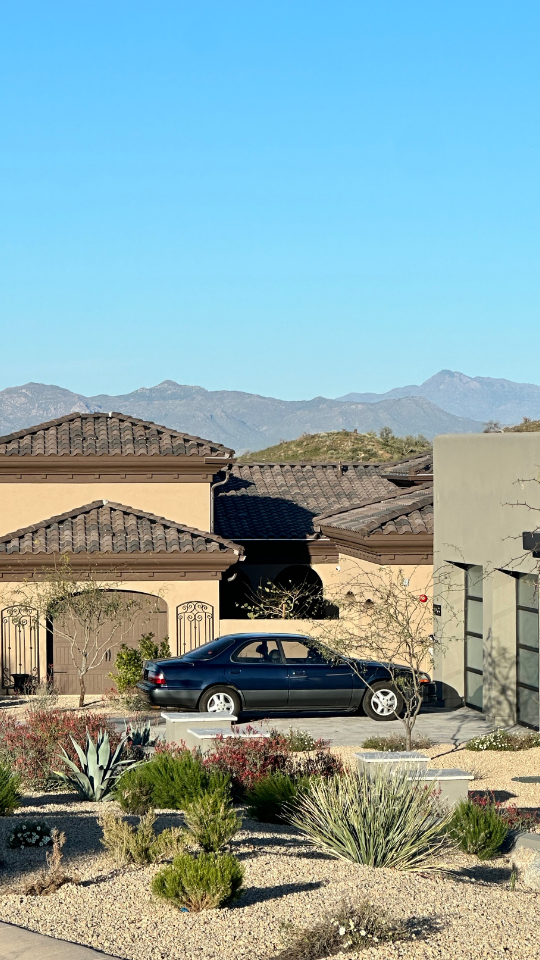
Phoenix’s divergence suggests more resilient local fundamentals—migration, job growth, and supply constraints. Nationally, median home prices were down ~0.6 % and pending sales were collapsing ~31 %, indicating broader weakness. The relative strength tempers downside risk in Phoenix-centric holdings. From tax revenue projections, this resilience helps sustain municipal forecasts. Policymakers may point to this in justifying infrastructure or housing policy. For value stability, the local cushion provides greater breathing room than many other U.S. markets.

Municipalities including Scottsdale, Tempe, and Chandler are investing in water conservation technology, renewable energy, and broadband expansion as part of their capital improvement programs for 2025–2028. These initiatives bolster the resilience of property values and align with global ESG benchmarks, a key consideration for institutional and high-net-worth buyers. Tax incentives for solar adoption and LEED-certified construction remain active. Legislative focus on sustainable infrastructure and resource management supports long-term appreciation, ensuring these areas retain their competitive edge among “future-proof” investment destinations.
The Phoenix-Mesa region’s job growth continues to outpace national averages, with 2.7% annual employment growth reported by the BLS and Arizona Commerce Authority. Unemployment remains low at 3.6%. 35High job creation supports ongoing housing demand and underpins real estate value stability. Tax planning is shaped by increases in household income, while legislative actions aim to expand workforce housing near employment centers. Infrastructure investment in public transit and digital networks is prioritized for economic resilience. These dynamics, combined with energy and water innovation projects, support the region’s reputation as a business-friendly, future-ready urban hub.
Foreclosure and distressed property rates in Arizona remain at historic lows, with RealtyTrac reporting a foreclosure rate under 0.08% statewide as of June 2025. However, select pockets in outer metro areas such as El Mirage and Tolleson have shown minor upticks. For private portfolios, low distress levels sustain broader market confidence, while higher concentrations warrant closer scrutiny for asset risk. Tax sale opportunities remain limited, and new legislation aims to ensure transparency in notice procedures. Statewide, ongoing monitoring for insurance and climate risks is a compliance and wealth preservation priority. Smart-city dashboards are increasingly tracking these risks and deploying resources proactively.
According to Zillow’s latest weekly Phoenix metro data, 27.4% of active listings saw a price reduction in July 2025, up from 21.8% in May, indicating seller adaptation to slower demand. ARMLS reports a median days-on-market rise to 46 days, suggesting an emerging buyer's market. Redfin also tracks a 2.3% week-over-week decline in pending sales for Maricopa County. Wealth advisors may see opportunity in repricing cycles to recalibrate trust-structured assets. With Arizona Senate Bill 1181 tightening seller disclosure standards, tax timing and compliance in listings are under scrutiny. Sustainability-conscious investors may note that water allocation enforcement by ADWR continues to affect new builds in Phoenix’s periphery.
Construction on the Loop 303 extension south of I-10, beginning in summer 2025, will add three lanes in each direction from Van Buren Street toward MC-85. The project features dedicated bus lanes, new bridges, continuous frontage roads, and a full interchange with the future SR 30 corridor. This expansion is projected to stimulate industrial land use and logistics development in Goodyear and Buckeye, boosting long-term tax revenues and asset values. Wealth management insights point to strong capital appreciation for land parcels within this corridor. Environmental impact assessments emphasize habitat preservation, while smart infrastructure includes fiber and sensor-based traffic management.
The new B Line of the Valley Metro Rail, running from Metro Parkway to Baseline/Central Ave, commenced service on June 7, 2025, expanding Phoenix’s light‑rail network to 27 stations. This transit expansion influences property values along the corridor, especially for multifamily and transit-oriented commercial developments. The project enjoyed funding via regional transit taxes and state matching grants. It also fits within statewide infrastructure resilience mandates. Proximity to mass transit increases asset durability and demand. The system includes regenerative braking and electric systems aligned with Phoenix’s sustainability commitments.
The Prescott luxury market recorded a median home price of $1.15 million in Q2 2025, with inventory levels rising 10% YOY. Despite the supply increase, effective rent climbed 4.9% year-over-year, per Yardi Matrix and local brokerage data. This environment has attracted 1031 exchange investors and high-net-worth buyers seeking income stability. Local legislation has streamlined permitting for workforce housing but introduced new impact fees earmarked for infrastructure. Tax considerations remain central as assessed values rise, impacting depreciation and cash flow models. The city’s ongoing investment in water and wildfire resilience is likely to support the area’s reputation for long-term sustainability.


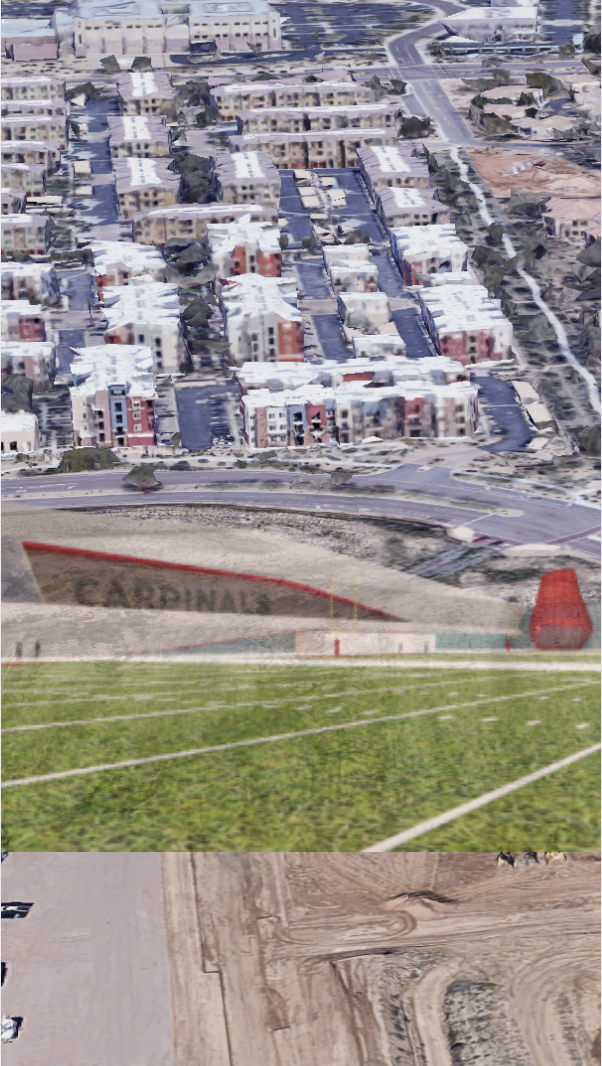 Arizona Cardinals’ $136 Million “Headquarters Alley” Project: How a 217-Acre Deal Will Redefine North Phoenix by 2028
 Public Safety as an Asset Class: The New Scottsdale AdvantageIn today’s Smart City economy, safety isn’t simply about peace of mind—it’s becoming a measurable, marketable asset class. Scottsdale is proving that public safety can be engineered into the fabric of
Nice to meet you! I’m Katrina Golikova, and I believe you landed here for a reason.
I help my clients to reach their real estate goals through thriving creative solutions and love to share my knowledge.