The downtown Phoenix footprint is being reshaped with multiple high-density residential towers combining amenity, retail, and office space. Many projects are scheduled to open in late 2025. This densification increases urban vitality, supports walkability, and leverages central infrastructure. For investors, premium downtown product may command higher rents and lower vacancy compared to peripheral markets. Permitting, height variances, and façade standards are material regulatory challenges. Municipal tax yield from increased density boosts revenue outlook. From a smart growth perspective, this encourages transit orientation, reduced sprawl, and efficient land use.

As of June 2025, the Phoenix metropolitan area’s median single-family home price reached $472,000, reflecting a year-over-year increase of 4.2% per ARMLS. Inventory levels are up by 18% compared to June 2024, with active listings exceeding 19,500, partly due to increased new builds and slower buyer activity. The Cromford Market Index sits at 128, signaling a moderately balanced market, while luxury inventory ($1.5M+) has seen slightly longer days on market, now averaging 62 days. Wealth management professionals note a shift toward longer holding periods for premium assets, reflecting strategies to preserve value amid global economic uncertainty. Property tax rates remain unchanged, but higher assessments in select Scottsdale and Paradise Valley zones could affect annual liabilities. From a regulatory perspective, ongoing discussions in the Arizona Legislature regarding investor-owned property disclosures may affect future reporting requirements. Market resilience is supported by continued in-migration and a diversified economy, underpinning value stability. Regional smart-city initiatives, such as the Phoenix Smart City pilot and increased EV charging infrastructure, are enhancing long-term desirability for high-end buyers.
AZ Business Magazine reports a new phase for Verde River Golf & Social Club, adding 200 luxury homes and upgraded clubhouse amenities. Luxury second-home demand rose 8% in the region. Wealth advisors note long-term capital growth potential. Property taxes for resort communities support local infrastructure. Homeowners’ associations enforce sustainable water usage and native landscaping.
The downtown Phoenix footprint is being reshaped with multiple high-density residential towers combining amenity, retail, and office space. Many projects are scheduled to open in late 2025. This densification increases urban vitality, supports walkability, and leverages central infrastructure. For investors, premium downtown product may command higher rents and lower vacancy compared to peripheral markets. Permitting, height variances, and façade standards are material regulatory challenges. Municipal tax yield from increased density boosts revenue outlook. From a smart growth perspective, this encourages transit orientation, reduced sprawl, and efficient land use.
Phoenix’s divergence suggests more resilient local fundamentals—migration, job growth, and supply constraints. Nationally, median home prices were down ~0.6 % and pending sales were collapsing ~31 %, indicating broader weakness. The relative strength tempers downside risk in Phoenix-centric holdings. From tax revenue projections, this resilience helps sustain municipal forecasts. Policymakers may point to this in justifying infrastructure or housing policy. For value stability, the local cushion provides greater breathing room than many other U.S. markets.
The Mattel Adventure Park in Glendale, adjacent to the VAI Resort, blends immersive attractions tied to brands like Barbie and Hot Wheels. It represents a large experiential, tourism-driven real-estate anchor. Nearby hospitality, retail, entertainment real-estate may see uplift from increased visitation traffic. Local jurisdictions will face infrastructure demands (roads, parking, utilities). From a regulatory angle, permitting and event zoning will be important. In value terms, properties in surrounding districts may see revaluation linked to visitor amenities and foot traffic.
Under Phoenix’s Housing Phoenix Plan, the city has fast-tracked affordable housing and preservation efforts, having delivered or preserved more than 50,000 units—5,000 ahead of schedule. The current pipeline includes many “fully affordable” developments (not just mixed income). This scale matters for social stability, workforce housing, and mitigating extreme rent inflation. From a wealth management lens, affordable housing is lower yield but lower volatility. In the regulatory sphere, city incentives, density bonuses, or fee waivers often undergird such projects. In smart-city frameworks, affordability is integral to inclusive growth.
In recent weeks, Phoenix has seen its number of active listings rise markedly compared to prior quarters; concurrently, about 5.5 % of listings in a given week are undergoing price cuts. This dynamic signals softening seller leverage, particularly outside top-tier neighborhoods. For wealth holders, this underscores the need for granular underwriting. Municipal tax bases may feel pressure if downward adjustment persists. Regulators may reconsider permit timing incentives or relief. From a resilience lens, established, amenity-rich areas will remain comparatively stable.


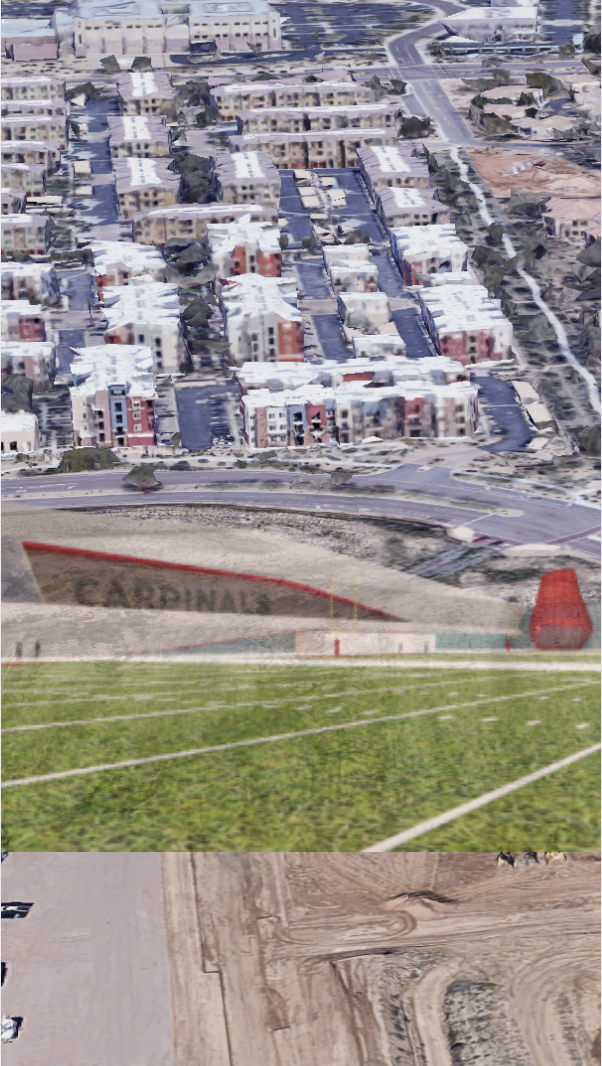 Arizona Cardinals’ $136 Million “Headquarters Alley” Project: How a 217-Acre Deal Will Redefine North Phoenix by 2028
 Public Safety as an Asset Class: The New Scottsdale AdvantageIn today’s Smart City economy, safety isn’t simply about peace of mind—it’s becoming a measurable, marketable asset class. Scottsdale is proving that public safety can be engineered into the fabric of
 Arizona Cardinals’ $136 Million “Headquarters Alley” Project: How a 217-Acre Deal Will Redefine North Phoenix by 2028The announcement that the Arizona Cardinals have acquired 217 acres at the intersection of the Loop 101 and Scottsdale Road—just north of Phoenix—marks a pivotal moment for the region. The purchase
 Adobe-Inspired Wall Finishes: Reviving historic textures with clay plasters and natural limewash tones for modern contextsAcross cities like Santa Fe, Tucson, and Albuquerque, there is a renewed appreciation for adobe-inspired finishes—wall treatments that reconnect modern living with the deep cultural lineage of clay
Nice to meet you! I’m Katrina Golikova, and I believe you landed here for a reason.
I help my clients to reach their real estate goals through thriving creative solutions and love to share my knowledge.