Phoenix’s divergence suggests more resilient local fundamentals—migration, job growth, and supply constraints. Nationally, median home prices were down ~0.6 % and pending sales were collapsing ~31 %, indicating broader weakness. The relative strength tempers downside risk in Phoenix-centric holdings. From tax revenue projections, this resilience helps sustain municipal forecasts. Policymakers may point to this in justifying infrastructure or housing policy. For value stability, the local cushion provides greater breathing room than many other U.S. markets.

Arizona State University’s new ASU Health HQ and medical school, scheduled to break ground in 2026 within Phoenix’s Bioscience Core, will offer ~200,000 sq ft for health innovation and clinical training, backed by collaborations with HonorHealth, focusing on AI and VR‑enabled labs. This medical-educational facility can anchor office and lab‑tenant portfolios tied to research and healthcare. Tax‑exempt institutional financing is in play. Campus-specific regulatory approvals reflect academic zoning overlay. The asset supports future‑proof demand in med‑tech and healthcare education and embeds innovation‑focused sustainability infrastructure.
In June 2025 Governor Katie Hobbs signed legislation approving up to $500 million in public funds and $250 million in private investment to upgrade downtown Phoenix’s Chase Field, including roof and HVAC systems improvements. Attendance has reached an average of 31,420 per game, the highest in two decades. The deal authorizes sales‑tax revenue flows over 30 years and prohibits use of funds for luxury upgrades, reflecting legislative controls on subsidies. From a wealth‑management perspective, the enhanced venue stabilizes downtown property appeal, supports local sales‑tax streams, and reduces relocation risk. Tax considerations include dedicated sales‑tax revenue streams rather than general funds. Infrastructure enhancements drive long‑term value retention, while cooling upgrades align with heat‑resilience and energy‑efficiency goals.
Buckeye continues to see strong growth in both industrial and residential sectors, with over 2 million square feet of industrial space and 1,500 residential units permitted in the last 12 months. This synergy is a result of the city’s proactive planning and infrastructure investment. Masterplanned communities in Buckeye are benefiting from the influx of high-paying jobs, driving demand for new homes. Regulatory focus remains on water security and sustainable development, which are critical for the region’s long-term prosperity.
Florence’s masterplanned Anthem at Merrill Ranch, originally developed by Pulte/Del Webb, is now entering a new phase emphasizing wellness and age-in-place design. Over 300 lots are currently under review for entitlement, with homes starting in the low $400,000s. Pinal County’s infrastructure expansion and hospital zoning approvals lend additional weight to its long-term livability profile. For legacy investors, Florence’s planned unit development (PUD) status streamlines estate planning and reduces bureaucratic drag in conveyance. Solar-ready rooftops and xeriscape standards reinforce eco-efficiency credentials.
Scottsdale and Paradise Valley have seen an unprecedented influx of luxury listings, with more than 350 properties listed over $3 million in June 2025, according to Zillow and local MLS data. The area’s most expensive transaction closed at $21 million, while the lowest luxury listing dipped to $1.95 million. These markets remain favored for wealth preservation due to their high barriers to entry, strong HOA governance, and substantial private infrastructure. Property taxes in this bracket are managed with tailored strategies, including historic and green-building exemptions. Notably, regulatory reforms continue to safeguard privacy and limit short-term rental proliferation, stabilizing the high-end market against volatility. Green-certified estates and new-builds with net-zero features are increasingly spotlighted in listings, supporting long-term value and sustainability goals for affluent buyers.
The I-10 Broadway Curve reconstruction concluded on May 31, 2025, marking the largest urban freeway project in Arizona to date. Spanning 11 miles from Ray Road to I-17 near Sky Harbor Airport, the project added general-purpose and HOV lanes, collector–distributor roads, new bridges, and enhanced sound walls. The expanded capacity is expected to improve traffic flow for over 300,000 vehicles daily, contributing positively to area property values and regional logistics. Wealth management professionals may note the project’s potential to stabilize commercial and multifamily assets nearby due to improved accessibility. Tax implications include accelerated depreciation benefits on adjacent commercial holdings, while ongoing compliance with environmental mitigation measures aligns with legislative sustainability goals. The project’s integration of noise abatement and multi-modal enhancements supports long-term resilience against urban congestion.
Prescott’s downtown mixed-use projects added 200,000 sq. ft. of retail and 300 new residential units in the last year. Such diversification supports both local tax revenues and portfolio resilience. City council has incentivized historic preservation, and most new construction includes solar-ready infrastructure and EV parking.


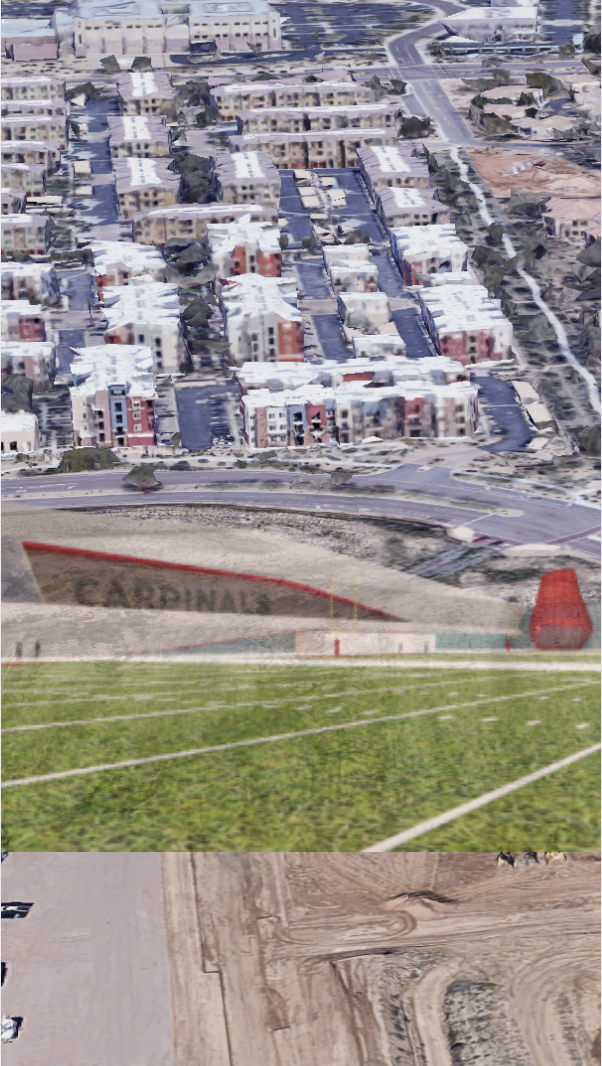 Arizona Cardinals’ $136 Million “Headquarters Alley” Project: How a 217-Acre Deal Will Redefine North Phoenix by 2028
 Public Safety as an Asset Class: The New Scottsdale AdvantageIn today’s Smart City economy, safety isn’t simply about peace of mind—it’s becoming a measurable, marketable asset class. Scottsdale is proving that public safety can be engineered into the fabric of
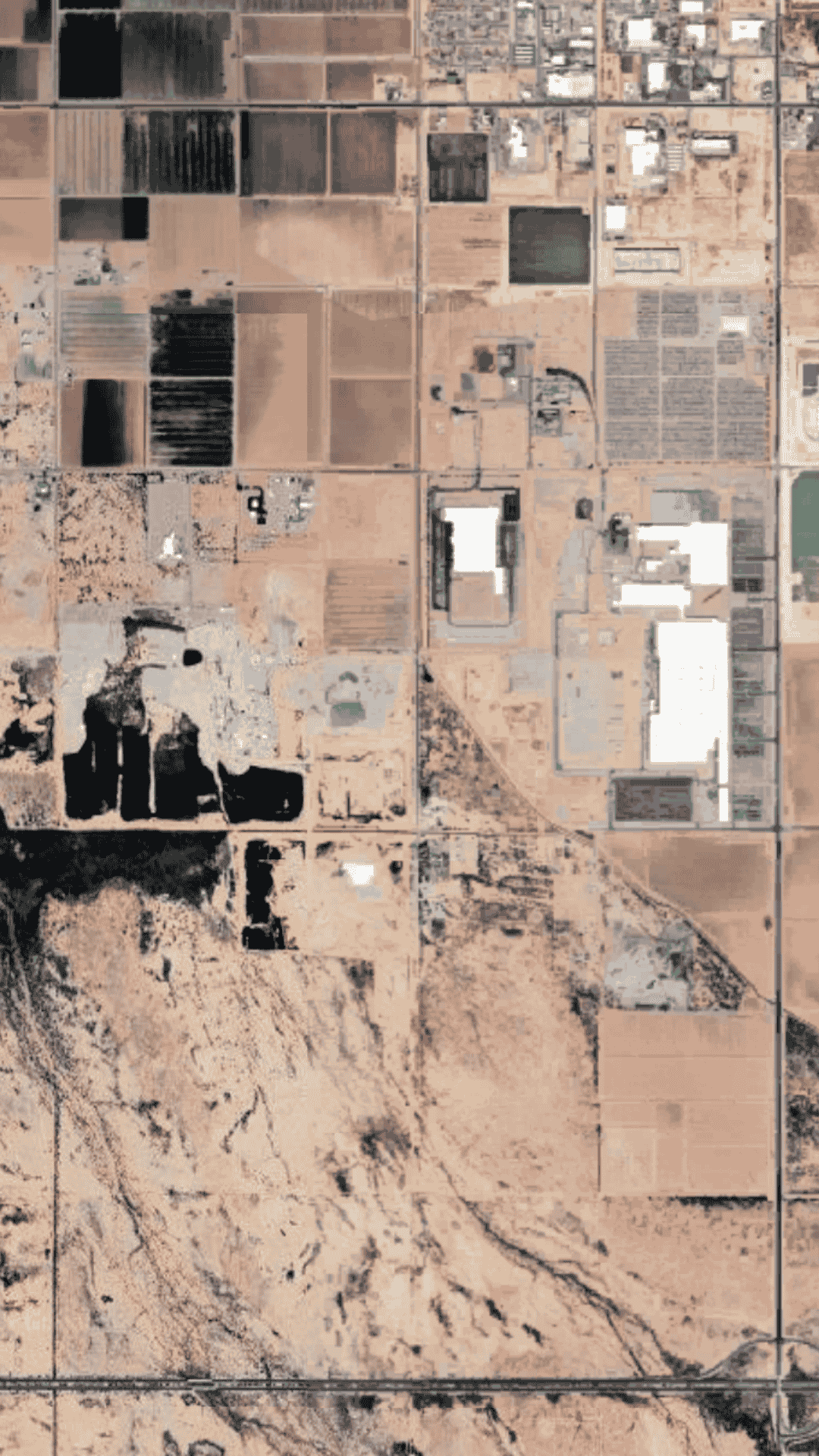 Casa Grande’s Next Industrial Leap: The $70M Chemical Plant Powering Arizona’s Advanced Manufacturing FutureSomething transformative is taking shape in Casa Grande—a story that’s less about chemicals and more about chemistry: the synergy between innovation, infrastructure, and local resilience. Brazilian
 Nice to meet you! I’m Katrina Golikova, and I believe you landed here for a reason.
I help my clients to reach their real estate goals through thriving creative solutions and love to share my knowledge.