On June 24, 2025, Maricopa County Board of Supervisors adopted a zoning amendment streamlining approvals for mixed-use and high-density multifamily developments within transit corridors, notably along Central Phoenix, Tempe, and Mesa. The regulatory change reduces conditional use permit timelines by up to 40 days and introduces density bonuses for incorporating renewable energy or affordable units. This framework increases certainty for institutional portfolios and supports urban-infill wealth management strategies. Property tax implications center on the shift from commercial to higher-density residential assessments, which can affect long-term cash flow models. Future-proof development is further supported by new requirements for gigabit-ready digital infrastructure in all new multifamily projects.

The Novus Innovation Corridor, a 355-acre ASU-driven mixed-use development, has announced the addition of a 250,000-square-foot Class A office tower. Developed by Catellus Development Corporation and designed by SmithGroup, the building will accommodate tech and life sciences firms. The project leverages the Tempe Opportunity Zone, optimizing after-tax returns for high-net-worth investors. Policy context includes public-private partnership support from the City of Tempe. The building is designed to LEED Silver standards, with features such as water reclamation and renewable energy integration. Catellus previously completed 777 Tower at Novus, establishing a track record of timely delivery. Community feedback notes workforce upskilling and expanded corporate tax base.
A 170-acre mixed-use project, known as Stadium Point, has received full approvals in Peoria, with ground-breaking planned for late 2024. Developed by Trammell Crow Company, the site will deliver office, retail, multifamily, and hospitality components. The phased buildout is projected to deliver over 800,000 square feet of commercial space and 600 residential units. Tax increment financing will underpin infrastructure, while new zoning overlays reflect the city’s comprehensive plan. Trammell Crow has a strong record with Arizona mixed-use projects, most notably at Tempe Town Lake. Sustainability features include green roofs and on-site stormwater capture. The project is expected to generate thousands of construction and permanent jobs, catalyzing further North Peoria investment.
Prologis has begun construction on the 1.2-million-square-foot Goodyear Logistics Center, intended to address increased demand for distribution space in the West Valley. The speculative industrial campus, designed by Butler Design Group, will accommodate up to five large tenants and is projected for completion by Q2 2025. Wealth management advisers highlight the stability of logistics REITs amid economic shifts. Local tax incentives for job creation and infrastructure upgrades have supported project financing. The building employs solar-ready roofs and EV charging infrastructure, advancing Goodyear’s smart-city initiatives. Prologis has developed multiple major logistics assets in Arizona, reinforcing their regional expertise. Community perspectives focus on job creation and reduced truck traffic through efficient routing.
Vestar, a leading shopping center developer, announced a 120,000-square-foot expansion of Queen Creek Marketplace, bringing national tenants such as Sprouts Farmers Market and HomeGoods to the area. The $60 million project broke ground in late 2024 and will add more than 500 permanent retail jobs, reflecting Queen Creek’s 8% annual population growth. The expansion is projected to generate over $2.5 million in additional yearly sales tax revenue. Recent legislation supporting retail anchor development has facilitated this process. Vestar is also behind Tempe Marketplace and Desert Ridge, indicating a pattern of regional retail reinvestment. The project features drought-resistant landscaping and smart parking technologies for efficiency. The expanded center is expected to foster community connectivity and support local small businesses.
The Scottsdale City Council recently approved an expansion to the Ritz-Carlton Paradise Valley Resort, increasing its residential villas and luxury suites. The $2 billion master-planned community now encompasses over 120 acres with a blend of hotel, branded residences, and retail. The development, led by Five Star Development, is designed by SB Architects and Whitespace Ltd. Wealth managers note the branded residence model enhances estate value and liquidity for affluent buyers. The resort’s expansion supports Scottsdale’s transient occupancy tax collections, with legislative incentives for mixed-use luxury projects. The sustainability features include extensive desert landscaping and energy-efficient systems. This project follows Five Star’s trend of upscale, multi-phased communities in the region. The community impact includes high-end employment opportunities and increased tourism-driven economic activity.
Q2 2025 data from Redfin and the Paradise Valley Assessor’s Office reveal that 62% of residential sales closed in cash, a 9-point increase from last year. The median luxury home price rose to $3.24M, up 5.1% year-over-year. For wealth managers, the predominance of cash purchases reflects active capital redeployment and may influence appraisal values for portfolio rebalancing. Taxwise, higher valuations increase exposure to capital gains, especially for legacy estates. No significant local code changes were introduced, but Paradise Valley continues to invest in undergrounding utilities and expanding LIDAR-based flood mapping, both of which protect asset value against climate and regulatory shocks. Smart home automation remains a key feature in new builds, appealing to privacy-focused buyers.
On June 18, 2025, the Mesa City Council unanimously adopted new transit-oriented development (TOD) zoning overlays along the Valley Metro light rail corridor. The policy allows for increased height (up to 12 stories), relaxed parking minimums, and expedited approval for projects meeting green building standards. This creates opportunities for ground-up development and redevelopment in targeted opportunity zones, potentially enhancing asset liquidity for private capital and REIT portfolios. The zoning shift aligns with recent IRS clarifications on qualified opportunity funds, allowing for more flexible tax deferral strategies. Regulatory certainty and green infrastructure requirements also support future-proof value and environmental compliance, dovetailing with Mesa’s smart-city initiatives targeting walkability and energy efficiency.


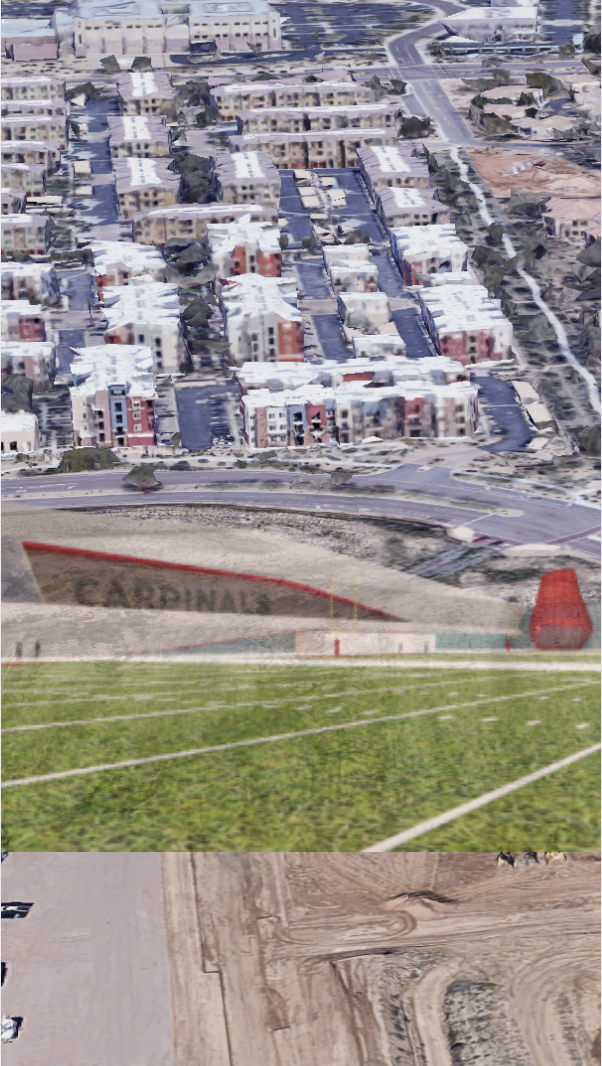 Arizona Cardinals’ $136 Million “Headquarters Alley” Project: How a 217-Acre Deal Will Redefine North Phoenix by 2028
 Public Safety as an Asset Class: The New Scottsdale AdvantageIn today’s Smart City economy, safety isn’t simply about peace of mind—it’s becoming a measurable, marketable asset class. Scottsdale is proving that public safety can be engineered into the fabric of
Nice to meet you! I’m Katrina Golikova, and I believe you landed here for a reason.
I help my clients to reach their real estate goals through thriving creative solutions and love to share my knowledge.