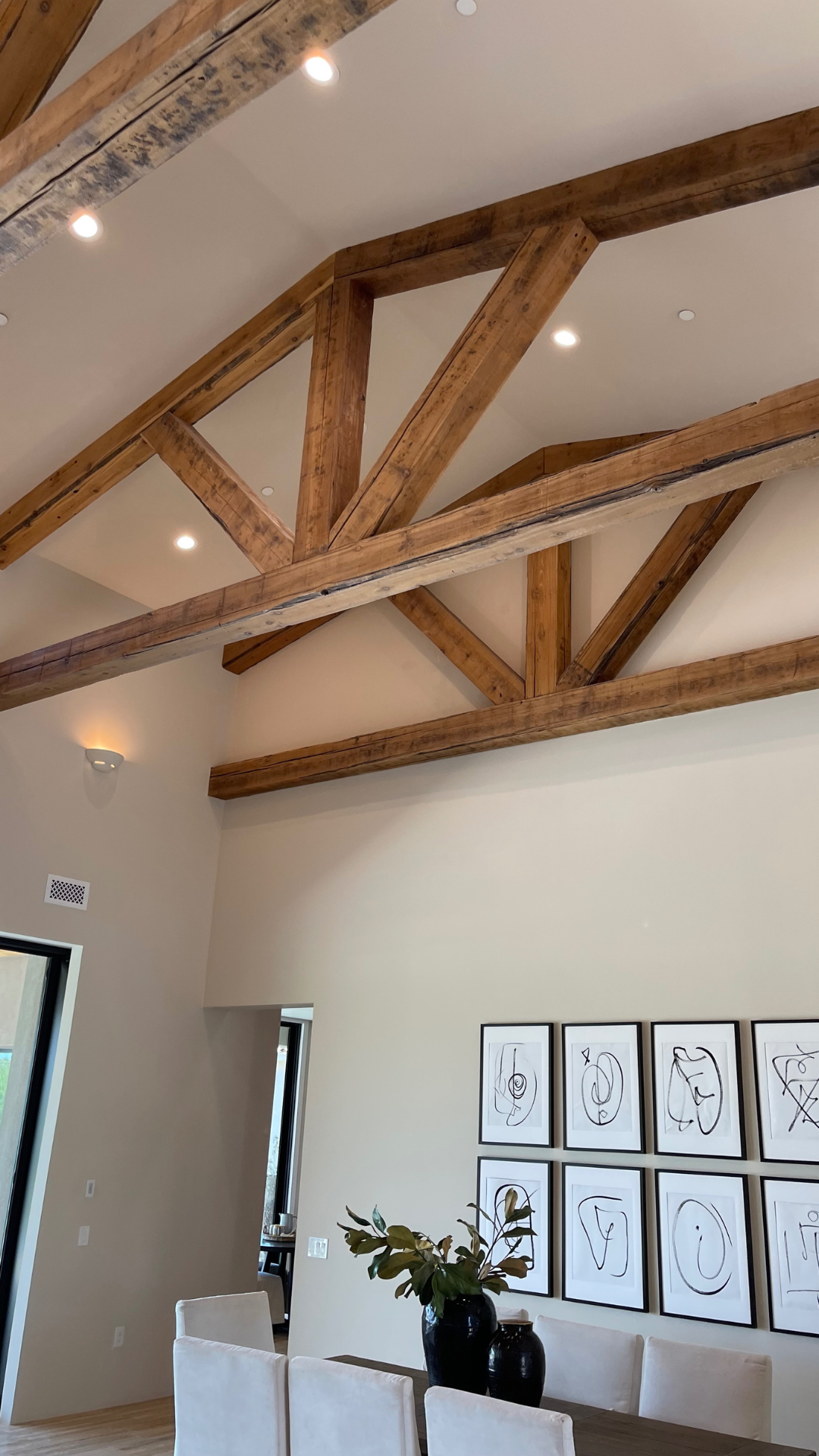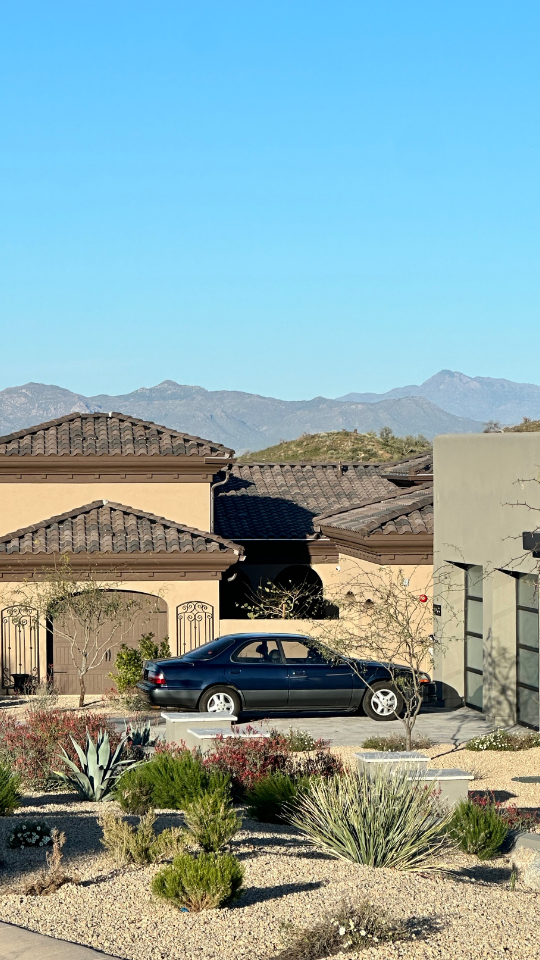
Phoenix’s divergence suggests more resilient local fundamentals—migration, job growth, and supply constraints. Nationally, median home prices were down ~0.6 % and pending sales were collapsing ~31 %, indicating broader weakness. The relative strength tempers downside risk in Phoenix-centric holdings. From tax revenue projections, this resilience helps sustain municipal forecasts. Policymakers may point to this in justifying infrastructure or housing policy. For value stability, the local cushion provides greater breathing room than many other U.S. markets.

Redfin data indicates that active listings (sellers) exceed buyer demand by ~33.7 % in the Phoenix area as of mid-2025. Nationally, this is the largest such imbalance since Redfin began tracking this metric in 2013. Locally, some estimates show twice as many sellers (≈32,400) versus buyers (≈16,200) in the Phoenix metro. The classic “mortgage-lock-in” effect (owners with low rates reluctant to sell) is easing, pushing more supply into market. For investors, this means more room to negotiate. Tax assessments may see downward pressure in some submarkets. From a regulatory view, jurisdictions may explore incentives to stabilize turnover. For value resilience, well-positioned, amenitized assets will better resist discounting. In smart-city framing, location and infrastructure quality may become differentiating criteria for buyer preference in a more selective market.
As of September 2025, Phoenix has three buildings under construction with height ≥200 ft: X Phoenix Phase 2, Ray Phoenix, and Denu Hotel & Spa. In the approved or proposed pipeline are towers like Astra Tower 1 (541 ft / 44 floors), Astra Tower 2, Jefferson Place, and others along 2nd & Portland and 3rd Ave corridors. This growing vertical pipeline signals a zoning and demand shift toward more intensive infill. For real estate portfolios, there is opportunity in vertical land plays. Tax jurisdictions may revisit height incentives or density bonuses. Regulatory attention on shadow, parking, and infrastructure impacts will grow. Long-term value resilience often correlates with vertical, transit-proximate assets. Smart-city outcomes favor densification in walkable, mixed-use corridors with integrated mobility systems.
The Phoenix metro housing inventory is currently the highest in about ten years, a level that might seem alarming to some observers. However, some market analysts argue this doesn’t signal a crash but rather a deliberate transition toward equilibrium, especially given still-tight supply relative to long-term norms and continued population inflows. With listings rising and demand softening, the market is rebalancing rather than collapsing. For wealth holders, this implies patience over panic. Tax authorities may anticipate slower growth in property revenues. Regulatory leaders are monitoring to ensure no sudden policy overreaction. Value stability is likely higher in submarkets with infrastructure, amenity, or transit advantages. From a smart-city perspective, this shift offers an opportunity to inject better design, mobility, and sustainability features into upcoming projects as supply grows.
In recent legislative sessions and regulatory updates, the Arizona Department of Real Estate has revisited rules around ABAs (where e.g. a brokerage refers to settlement or loan services in which it has interest). Under state law aligned with RESPA’s federal rules, such ABAs must provide clear written disclosures, allow clients to reject referrals, and limit payments to returns on ownership interest, not volume-based compensation. This raises governance expectations for real estate operators and title/settlement firms. In wealth/portfolio terms, it increases compliance costs but reduces hidden revenue leakage. On the tax side, ensuring proper fee structures may interplay with service provider cost allocations. Regulatory oversight is intensifying. For stable value, transparency supports market trust. In broader smart-city or real-estate tech ecosystems, greater disclosure norms may accelerate adoption of transparent fintech platforms.
The city of Phoenix acquired a nearly 30-acre industrial property at 7th Street and the Rio Salado Riverbed for $29.5 million as part of the region-scale Rio Reimagined (RIO PHX) revitalization initiative spanning ~20 miles. The parcel is to be cleared and redeveloped, though specific uses have not yet been finalized. Phoenix’s segment is part of a long-term 25–40 year master plan, with most construction and transformation expected in the first 25 years. For high-net-worth real estate portfolios, this signals a major public land play opening. Tax jurisdictions see a long horizon for incremental revenue uplift. From a regulatory standpoint, multi-jurisdictional coordination (cities, tribal, county) is required. In value terms, adjacency to a reimagined riverfront corridor may drive premium land revaluation. In smart city thinking, this project is an exemplar of comprehensive infrastructure, green spaces, flood control, mobility, and placemaking integration.
The Metrocenter site, long a blighted shopping mall in north Phoenix, is being redeveloped in phases starting April 2026 under the new “The Metropolitan” master plan. Plans include ~350 multifamily units, 800–1,000 townhomes, a mixed-use retail/entertainment promenade (“The Loop”) with amphitheater, rooftop restaurants, plazas, and pedestrian/bike connectivity. This is a high-profile infill reuse that reintroduces density, walkability, and transit linkage. From a wealth and portfolio view, such urban redevelopment can generate outsized upside. Tax-wise, the added parcels increase sales, property, and infrastructure revenue. Regulatory oversight includes zoning and compatibility considerations. In terms of future value, integrated mixed-use with mobility will likely retain appeal under shifting preferences. In smart-city context, the project is a testbed for pedestrian-first, transit-linked, sustainable design.
Under House Bill 2720, property owners in Arizona may build one accessory dwelling unit (ADU) — whether attached, detached, or internal (e.g. garage conversion) — in single-family zones, regardless of prior restrictive local rules. (Gottlieb Law) This legal clarity lifts long-standing uncertainty and opens a modest channel for densification in established neighborhoods. For wealth holders, ADUs can generate ancillary rental income or flexibility. On tax front, added units expand property tax base incrementally. The legislative change may encounter local pushback (e.g. parking, design), but gives developers and local governments a tool for gentle densification. Future proofing: areas with ADU capacity may sustain value better under supply stress. In smart-city terms, ADUs help support transit ridership, reduce sprawl, and increase neighborhood housing diversity.


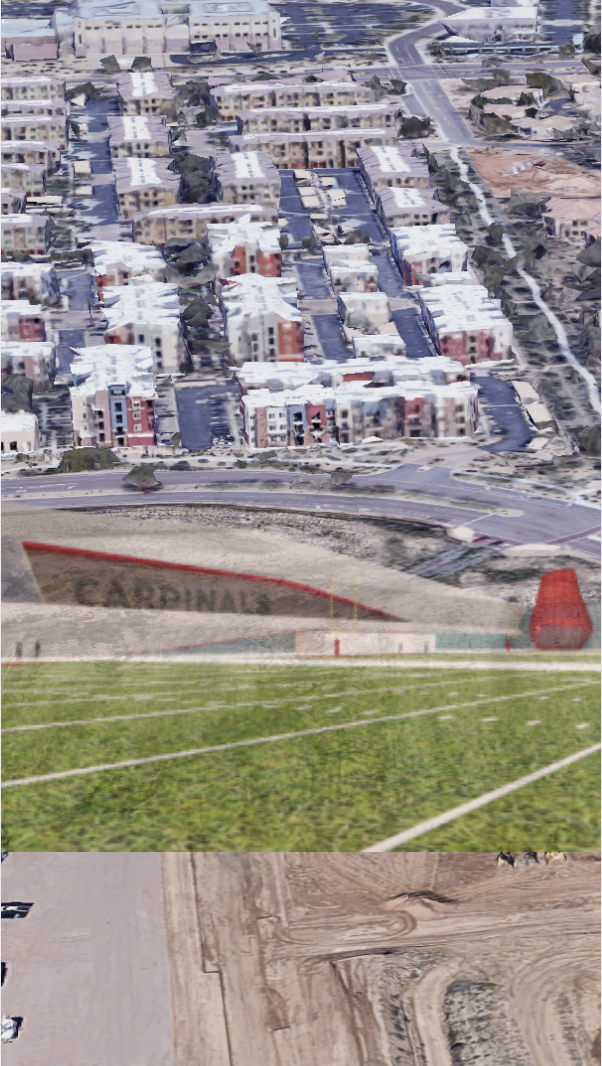 Arizona Cardinals’ $136 Million “Headquarters Alley” Project: How a 217-Acre Deal Will Redefine North Phoenix by 2028
 Public Safety as an Asset Class: The New Scottsdale AdvantageIn today’s Smart City economy, safety isn’t simply about peace of mind—it’s becoming a measurable, marketable asset class. Scottsdale is proving that public safety can be engineered into the fabric of
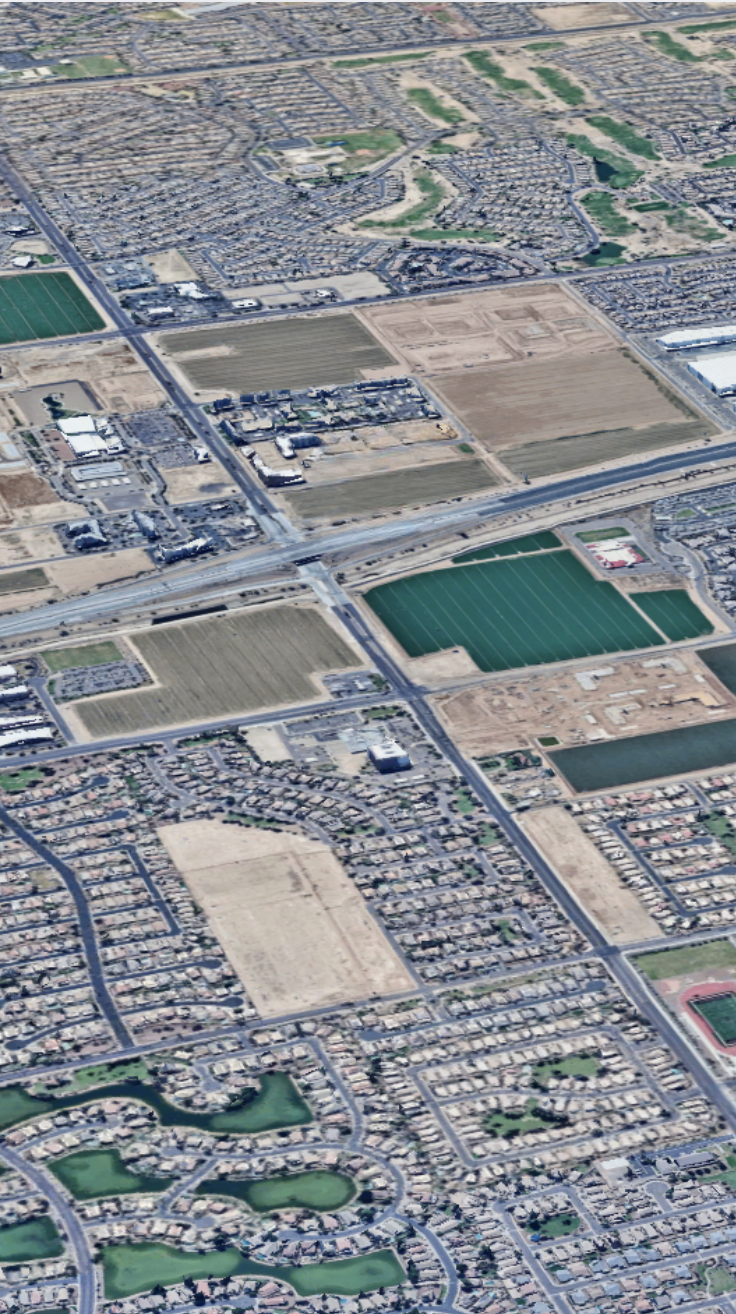 Avondale Tech Center: How the 117th Avenue & Corporate Drive Business Park Is Shaping the Future of Jobs, Housing, and Smart Growth in Arizona’s West ValleyThe 38-net-acre site at the north-west corner of Corporate Drive and 117th Avenue in Avondale, Arizona, situated just south of the Interstate 10 (I-10) and adjacent to key logistics corridors in the
 Nice to meet you! I’m Katrina Golikova, and I believe you landed here for a reason.
I help my clients to reach their real estate goals through thriving creative solutions and love to share my knowledge.