Phoenix’s divergence suggests more resilient local fundamentals—migration, job growth, and supply constraints. Nationally, median home prices were down ~0.6 % and pending sales were collapsing ~31 %, indicating broader weakness. The relative strength tempers downside risk in Phoenix-centric holdings. From tax revenue projections, this resilience helps sustain municipal forecasts. Policymakers may point to this in justifying infrastructure or housing policy. For value stability, the local cushion provides greater breathing room than many other U.S. markets.

Scottsdale’s northern foothills are experiencing accelerated luxury community development, notably Sereno Canyon by Toll Brothers and Storyrock by Shea Homes and Rosewood Homes. Both communities feature lots exceeding ½ acre, native plant preservation corridors, and extensive trail connectivity. Median new home sale prices now exceed $1.9 million, a 12% increase year-over-year (ARMLS, June 2025). These masterplans attract wealth-focused buyers seeking legacy assets, supported by the state’s favorable estate tax environment. Scottsdale’s regulatory environment requires adherence to dark-sky ordinances and low-water-use landscaping, advancing both resilience and long-term value preservation. Notably, architectural partners include Swaback Architects (Sereno Canyon), who also designed Desert Mountain.
Verrado, one of Arizona’s largest masterplanned communities by DMB Associates, recently launched its “West District,” adding nearly 7,000 planned homes and introducing new builders such as Toll Brothers and David Weekley. With major anchor tenants including Bashas’ and Banner Health, the district supports Buckeye’s position as the fastest-growing city in the U.S., according to 2024 Census data. The community’s multi-phase tax increment financing arrangement supports local infrastructure and parks without burdening residents with Mello-Roos-type taxes common in California. Verrado’s architectural guidelines promote energy efficiency, and the HOA has piloted several water conservation initiatives, directly enhancing value retention amid regional drought concerns. DMB has a track record in sustainable placemaking, also developing Eastmark (Mesa) and DC Ranch (Scottsdale).
The Town of Fountain Hills has approved an $85 million redevelopment of its Town Center, including new retail, office, and residential components. The public-private partnership is expected to generate over $500,000 in new annual tax revenue. The master plan, developed by Swaback Partners, includes smart-city lighting and sustainable stormwater management. Wealth advisers see downtown redevelopment as enhancing community branding and long-term value. The project received favorable public input for its walkability and focus on local businesses.
A local developer, in partnership with Sedona Recycles and Candelaria Design Associates, has secured approval for a 60-unit sustainable multifamily project in Sedona. The project features recycled building materials, greywater recycling, and rooftop solar arrays. Sedona’s recent sustainability ordinance incentivized such developments through expedited permitting and fee waivers. The asset class is noted for its resilience by wealth managers focused on ESG portfolios. Candelaria Design has a track record of high-quality, energy-efficient projects in the region. The project is seen as advancing Sedona’s goals for workforce housing and environmental stewardship.
Payson has experienced a 14% year-over-year increase in luxury building permits for second homes, according to the latest town data. Local realtors note a median luxury home price of $875,000 as of June 2025. New developments such as Pine Canyon Estates emphasize large lots and smart-home automation. Tax law changes affecting second-home mortgage deductibility have influenced high-net-worth buyer strategies. Builders like Morgan Taylor Homes and Landmark West continue to expand their regional portfolios. Community perspectives emphasize positive economic impacts from new construction.
Prescott Valley has approved a 40-acre expansion to its industrial park, led by Sun State Builders. The project will deliver 12 new flex-industrial buildings, catering to light manufacturing and e-commerce tenants. Yavapai County’s rural job creation incentives and streamlined permitting support project feasibility. Sun State Builders has a history of industrial construction throughout Arizona. Sustainable design elements include solar-prepped roofs and recycled construction materials. Community stakeholders expect increased employment opportunities and diversified municipal revenue streams.
YAM Properties has announced a 100,000-square-foot expansion to Glendale’s Westgate Entertainment District, bringing in new restaurant and entertainment tenants. The district currently generates over $25 million in annual sales tax revenue. The expansion supports Glendale’s updated economic development plan, which emphasizes hospitality and retail investment. YAM Properties, owned by Bob Parsons, is known for dynamic redevelopment efforts throughout the Valley. The district’s expansion includes advanced energy management systems and drought-tolerant landscaping. Community members expect enhanced lifestyle offerings and continued job creation.


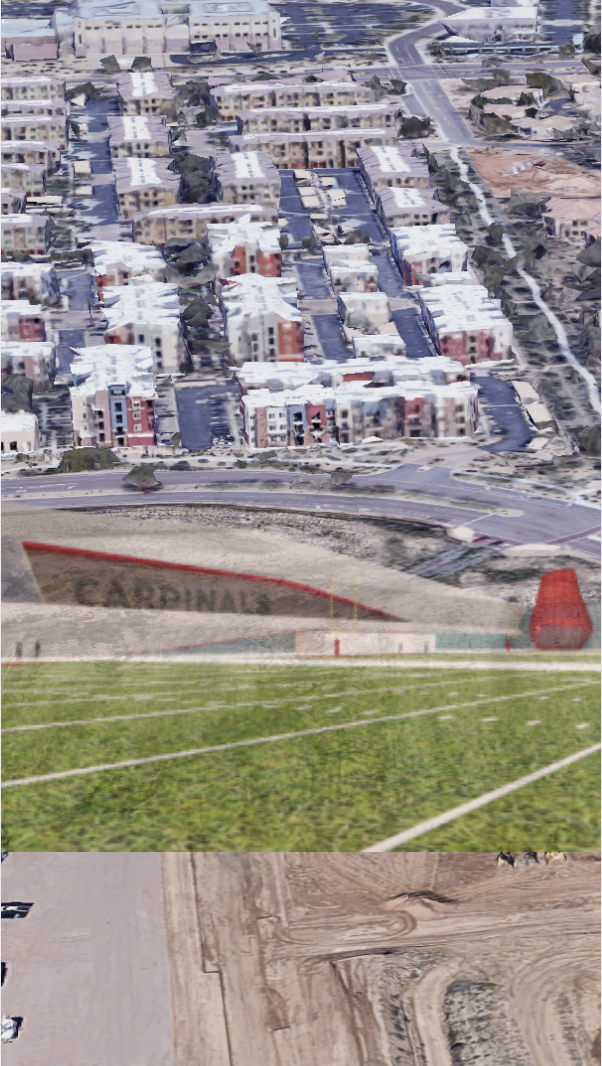 Arizona Cardinals’ $136 Million “Headquarters Alley” Project: How a 217-Acre Deal Will Redefine North Phoenix by 2028
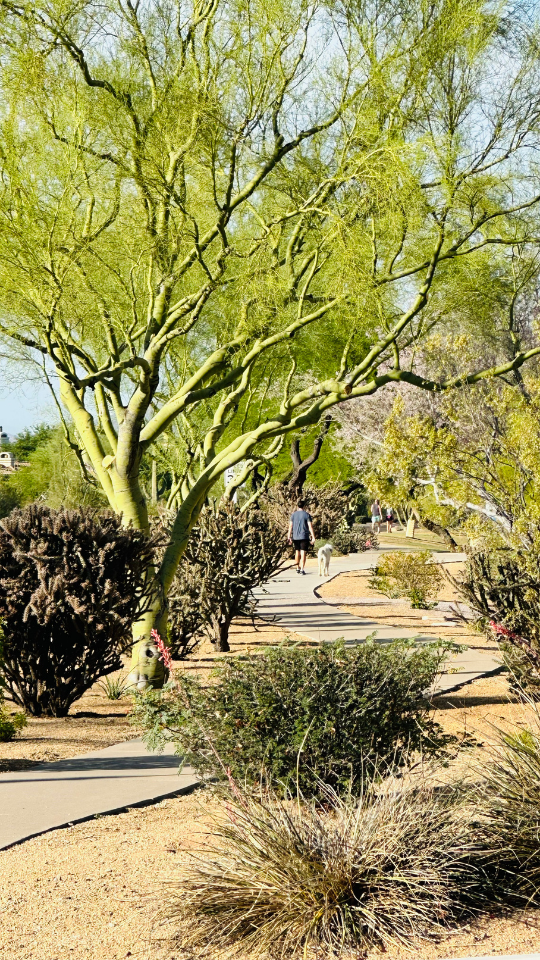 Public Safety as an Asset Class: The New Scottsdale AdvantageIn today’s Smart City economy, safety isn’t simply about peace of mind—it’s becoming a measurable, marketable asset class. Scottsdale is proving that public safety can be engineered into the fabric of
Nice to meet you! I’m Katrina Golikova, and I believe you landed here for a reason.
I help my clients to reach their real estate goals through thriving creative solutions and love to share my knowledge.