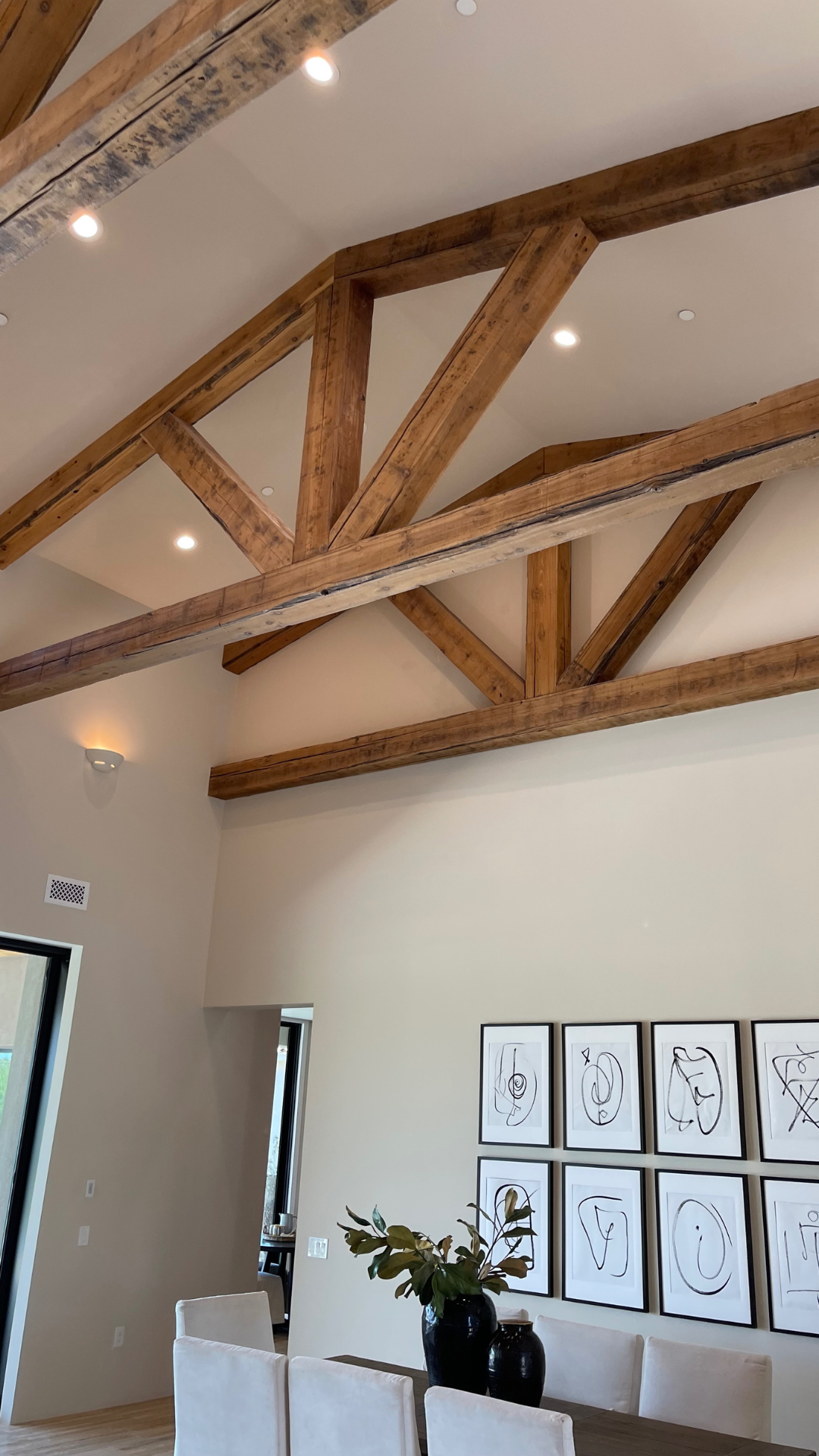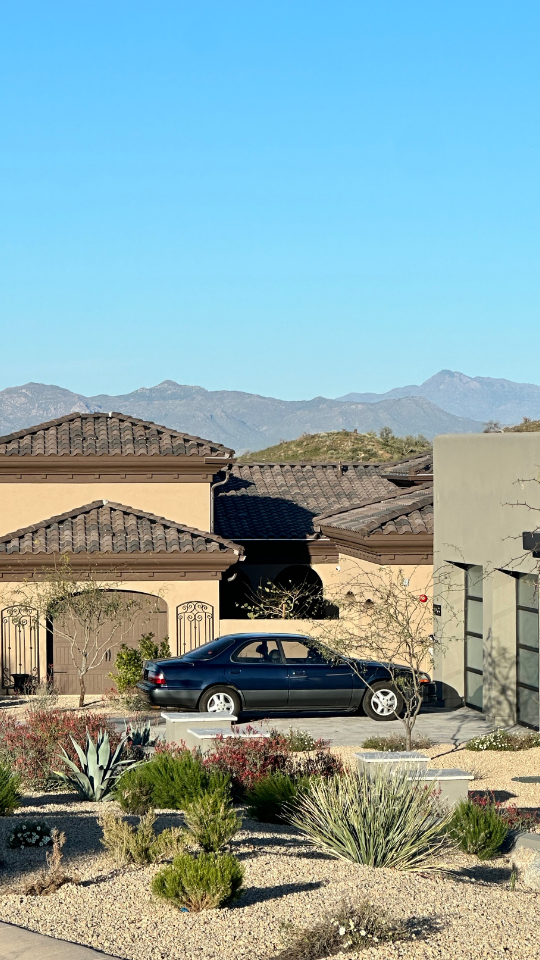
Phoenix’s divergence suggests more resilient local fundamentals—migration, job growth, and supply constraints. Nationally, median home prices were down ~0.6 % and pending sales were collapsing ~31 %, indicating broader weakness. The relative strength tempers downside risk in Phoenix-centric holdings. From tax revenue projections, this resilience helps sustain municipal forecasts. Policymakers may point to this in justifying infrastructure or housing policy. For value stability, the local cushion provides greater breathing room than many other U.S. markets.

Across all listed markets - official local government portals provide granular updates on permits, zoning, council actions, and public hearings. Transparent data access supports advanced portfolio monitoring and is increasingly leveraged for compliance, reporting, and ESG tracking. Tax professionals and legal advisors continue to cite digital permit platforms as critical for due diligence, and new city apps are improving citizen access to development data and smart-city services.
Greater Phoenix inventory has remained tight in 2025, with active residential listings hovering near 15,000, which is below the 10-year average for this period. This persistent supply constraint is underscored by a 7% year-over-year drop in new listings, according to ARMLS. Wealth managers are increasingly focusing on real asset allocations as physical inventory scarcity supports price stability. Local property tax assessments are anticipated to reflect higher valuations in the 2025 roll, while recent state bills streamline rezoning for mixed-use and multifamily, particularly in central districts. In terms of future-proof value, limited developable land in core markets like Chandler and Scottsdale (some over 85% built-out) points toward ongoing infill and redevelopment strategies, an approach closely aligned with sustainable urbanism and smart-city infrastructure priorities.
Arizona’s regulatory agencies, led by the Arizona Department of Water Resources, continue to update assured water supply rules and groundwater management plans, affecting large-scale developments in the Phoenix metro and Pinal County. Wealth managers are monitoring water portfolio impacts and factoring new infrastructure assessments into estate planning. Recent legislative actions, including revisions to the Assured Water Supply Program, directly impact development feasibility and valuations in fast-growing corridors. Tax advantages are available for investment in water-efficient technologies and landscaping. Municipalities are deploying advanced water monitoring and allocation tools as part of their smart-city initiatives, underlining the importance of environmental stewardship for future-proof market value.
Chandler’s built-out rate is now estimated at 88%, and Tempe’s at 91%, per city planning dashboards. In 2025, Tempe launched a redevelopment program incentivizing repurposing of underutilized retail centers, while Chandler approved 310 multifamily infill units since Q1. This transition aligns with legislative pushes (SB1181, HB2119) to ease ADU and duplex approvals. From a tax and compliance lens, infill strategies reduce impact fee burdens and boost assessed value density. These cities are also advancing green retrofits via heat mitigation grants and integrating zoning overlays that support transit-oriented development.
As of Q2 2025, new construction activity in the Southeast Valley continues to lead the Phoenix metro. Queen Creek, Gilbert, and East Mesa collectively account for over 42% of all new home permits issued in Maricopa County, according to the Arizona State Demographer’s Office and local municipal permit trackers. Queen Creek alone saw a 17.8% year-over-year increase in issued residential permits, led by masterplans like Barney Farms by Fulton Homes and Harvest at Queen Creek by Brookfield. These communities are incorporating all-electric homes, greywater recycling systems, and high-speed fiber infrastructure, aligning with ESG-conscious wealth preservation. From a legislative angle, the Queen Creek Town Council updated its infrastructure fee schedule in March 2025 to accommodate utility scaling without increasing general tax burdens.
Kidder Mathews reported Phoenix industrial construction “remains robust” with 11.9 million square feet in the active pipeline as of mid-year 2025. JLL’s Midyear 2025 data center report placed metro Phoenix No. 2 in North America for planned development as vacancy compressed to historically low levels near 2–3%. A regional developer also pitched a $33 billion data center complex, underscoring hyperscale interest in the I-10/Loop-303 corridors. For wealth portfolios, stabilized logistics assets along the West Valley spine add diversification to residential-heavy allocations. Property-tax budgeting and abatement structures remain important for build-to-core allocations. Local zoning and infrastructure coordination around power delivery and substation timing frame execution risk. Value durability benefits from diversified employer bases in aerospace, logistics, and cloud infrastructure. Sustainability considerations include grid capacity, heat-resilient design, and water-use strategies for evaporative cooling. Smart-city fiber and transportation investments raise corridor productivity and support valuation resilience.
The Greater Phoenix area’s multifamily vacancy rate stands at 6.4%, with effective rent growth tapering to a modest 1.2% year-over-year as of Q2 2025, according to Yardi Matrix and CoStar. Institutional owners are expanding their portfolios, particularly in Chandler, Glendale, and Peoria, leveraging scale efficiencies as property management and amenity expectations rise. For wealth managers, the asset class continues to provide stable cash flow and inflation hedging, though lease-up incentives and turnover costs are trending upward. Tax-advantaged depreciation rules remain favorable, and local governments are introducing expedited permitting for mixed-use and workforce housing. Sustainability is increasingly prioritized, with new developments targeting Energy Star or WELL certifications to attract ESG-conscious investors and meet future municipal mandates.


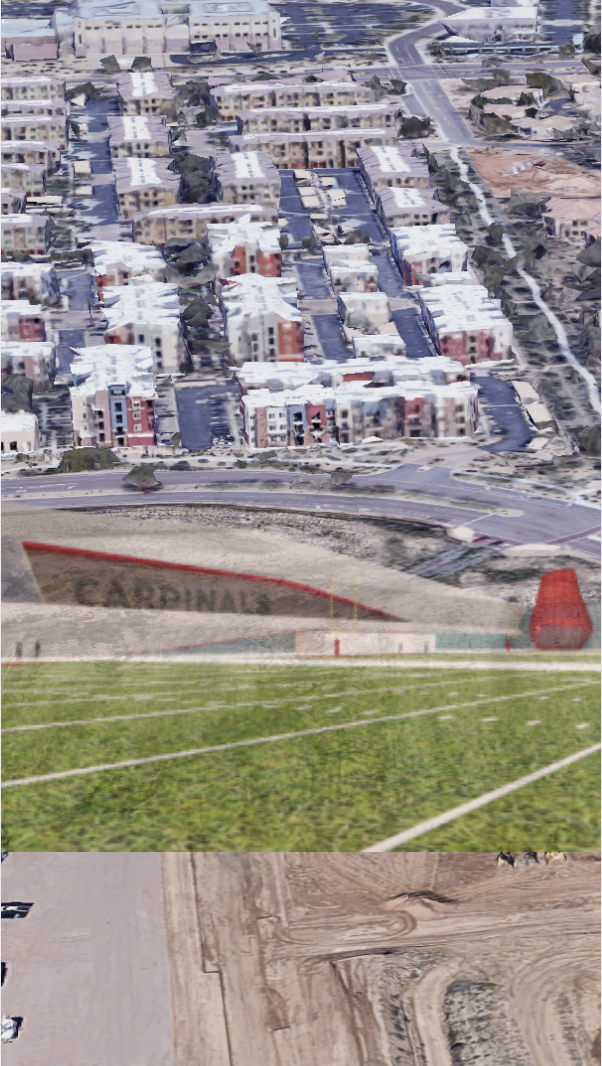 Arizona Cardinals’ $136 Million “Headquarters Alley” Project: How a 217-Acre Deal Will Redefine North Phoenix by 2028
 Public Safety as an Asset Class: The New Scottsdale AdvantageIn today’s Smart City economy, safety isn’t simply about peace of mind—it’s becoming a measurable, marketable asset class. Scottsdale is proving that public safety can be engineered into the fabric of
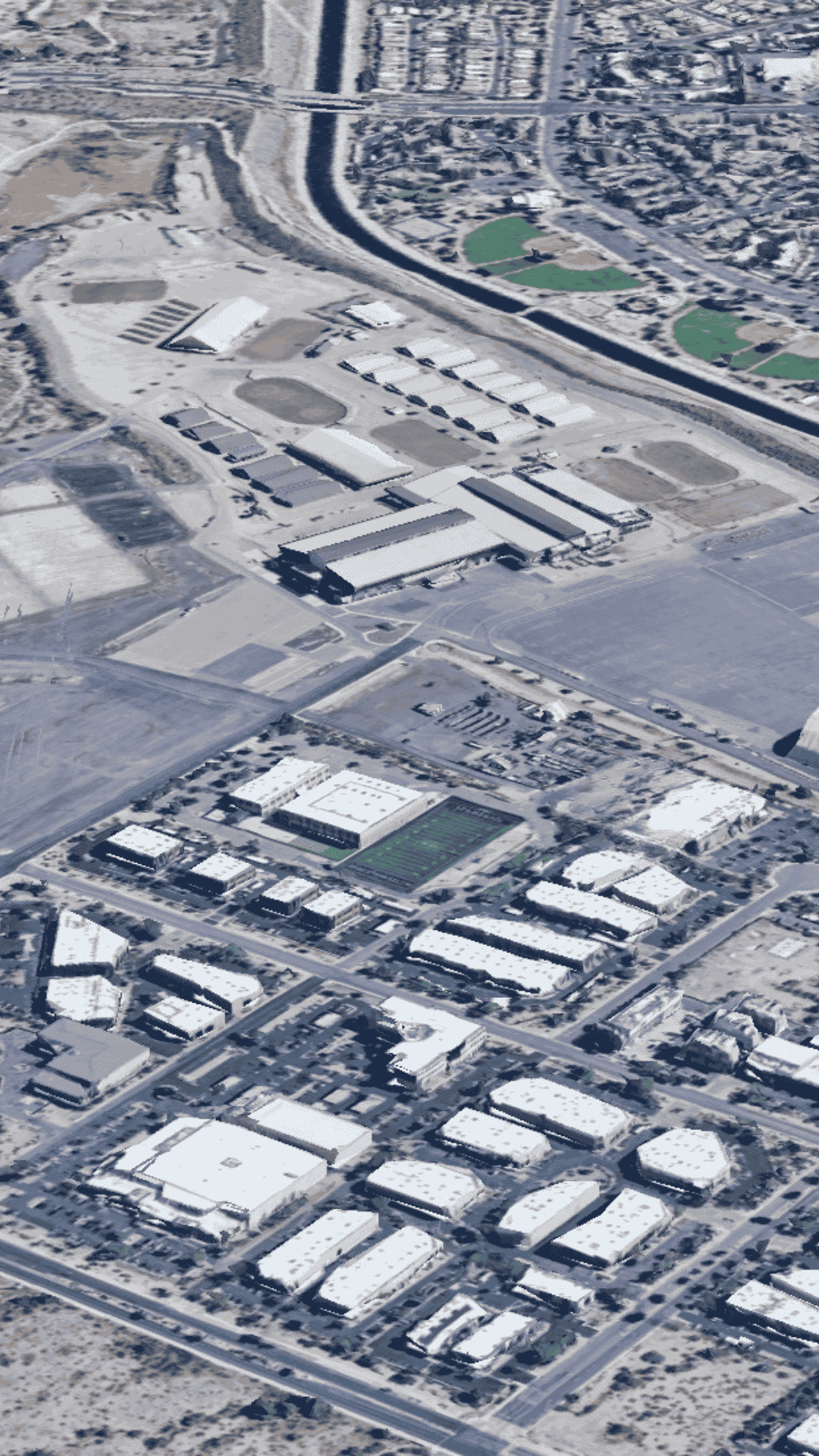 Inside Scottsdale’s Collector’s Garage at WestWorld: The Rise of Luxury Car Condos and Smart Automotive Living in ArizonaIn 2025, Scottsdale took a bold step in catering to the lifestyle aspirations of automotive aficionados: the city council unanimously approved The Collector’s Garage at WestWorld, a luxury “car condo”
Nice to meet you! I’m Katrina Golikova, and I believe you landed here for a reason.
I help my clients to reach their real estate goals through thriving creative solutions and love to share my knowledge.