On June 24, 2025, Maricopa County Board of Supervisors adopted a zoning amendment streamlining approvals for mixed-use and high-density multifamily developments within transit corridors, notably along Central Phoenix, Tempe, and Mesa. The regulatory change reduces conditional use permit timelines by up to 40 days and introduces density bonuses for incorporating renewable energy or affordable units. This framework increases certainty for institutional portfolios and supports urban-infill wealth management strategies. Property tax implications center on the shift from commercial to higher-density residential assessments, which can affect long-term cash flow models. Future-proof development is further supported by new requirements for gigabit-ready digital infrastructure in all new multifamily projects.

Tucson’s Southeast Growth Area—covering Vail, Rita Ranch, and Rocking K—has been designated under the 2025 Green Growth Overlay. This policy aligns city utility, zoning, and transportation approvals to favor net-zero masterplans. According to the City of Tucson’s July 2025 planning bulletin, over 2,300 units are under entitlement with solar-integrated infrastructure requirements. Pima County’s tax rebate program for LEED Gold communities enhances post-completion ROI for developers and institutional holders. Water reuse credits and per-lot electric vehicle charging mandates further align these communities with long-term value retention standards.
As of June 2025, Paradise Valley features the most expensive active residential listing statewide at $29.5 million, with ultra-luxury listings in Scottsdale, Fountain Hills, and Sedona frequently exceeding $10 million. DOM for properties above $5 million averages just under 60 days, with private sales and off-market deals representing a meaningful, albeit unreported, share. For wealth management, this illustrates liquidity in high-value segments, with transaction structures increasingly employing LLCs or trusts for privacy and asset protection. Arizona’s tax structure, notably the absence of estate and inheritance taxes, continues to draw UHNW buyers seeking generational transfer efficiency. Several jurisdictions are piloting green building standards for new luxury construction, dovetailing with client demand for wellness-focused and energy-efficient estates.
As of May 2025, the Phoenix metro area’s median home price holds near $460,000, reflecting a year-over-year increase of approximately 2.5%, according to ARMLS and Zillow’s latest indices. While total transaction volume has moderated compared to the post-pandemic surge, active inventory remains below pre-2020 levels, sustaining seller leverage and supporting price stability. Wealth managers note that real estate’s defensive characteristics continue to attract portfolio diversification, especially amid market volatility. Arizona’s property tax rates remain among the lowest for Sun Belt states, offering ongoing yield efficiency. On the legislative front, recent state bills have streamlined accessory dwelling unit (ADU) permitting, potentially expanding housing supply over the next cycle. For future-proof value, Phoenix’s smart city initiatives—including infrastructure upgrades and digital permit systems—are enhancing long-term market fundamentals and climate resiliency.
The Arizona Department of Water Resources continues to affirm assured supply for major planned developments in Maricopa County, with new models incorporating climate stress testing through 2045. For asset managers, water security underpins long-term value and insurability, especially in high-end markets like Paradise Valley and Fountain Hills. Recent tax credits for water conservation investments further incentivize retrofits in both commercial and residential portfolios. Regulatory action at the municipal level has added stricter landscape ordinances and greywater system mandates, signaling a shift toward future-proof community standards. Smart-city infrastructure—ranging from expanded transit to utility-scale solar deployments—remains integral to local and regional master plans, helping Arizona markets maintain their growth edge while meeting national ESG benchmarks.
As of June 2025, Sedona’s active residential inventory has dropped 16.8% year-over-year, with the median list price reaching $1.14M according to Redfin. Properties in Oak Creek Canyon and West Sedona are consistently transacting above $700/sf. The city’s cap on short-term rental licenses has indirectly bolstered owner-occupancy and further limited supply. For UHNW and family office buyers, Sedona’s restrictive zoning and environmental overlays reinforce scarcity and long-term asset defensibility. From a sustainability angle, the city’s green building code, adopted in 2023, mandates efficient water systems and low-emission materials for all new builds—enhancing its appeal among climate-conscious investors.
In May–June 2025, the average days on market (DOM) in Maricopa County stood at 38, up modestly from 31 days a year prior, but still well below the pre-pandemic average of 52 days. This swift market velocity suggests robust demand, supporting liquidity and favoring capital deployment for institutional investors. Wealth planners should note the tax implications of rapid turnovers, as short-term holdings may be subject to higher capital gains rates. Legislative reforms accelerating permitting—particularly in Mesa and Queen Creek—aim to maintain transaction momentum, supporting predictable value realization for both owner-occupants and investors. Smart-city initiatives, such as streamlined e-permitting, are reducing friction and enhancing transparency in market operations.
Recent data shows that building permit issuance across the Phoenix metro continues to outpace last year, with a year-over-year increase of approximately 6% in residential permits according to FRED and Maricopa County Recorder feeds. The latest 7-day period saw over 420 new permits in Phoenix alone, reflecting ongoing investor confidence in the market’s future supply. From a wealth management perspective, this volume suggests ongoing development potential for asset diversification, while tax assessments are likely to adjust as new communities reach occupancy. Regulatory oversight remains focused on sustainable water usage, influencing both construction planning and future-proof value retention. Phoenix’s robust permit activity also signals continued smart-city infrastructure expansion, integrating energy-efficient systems in new masterplanned communities.


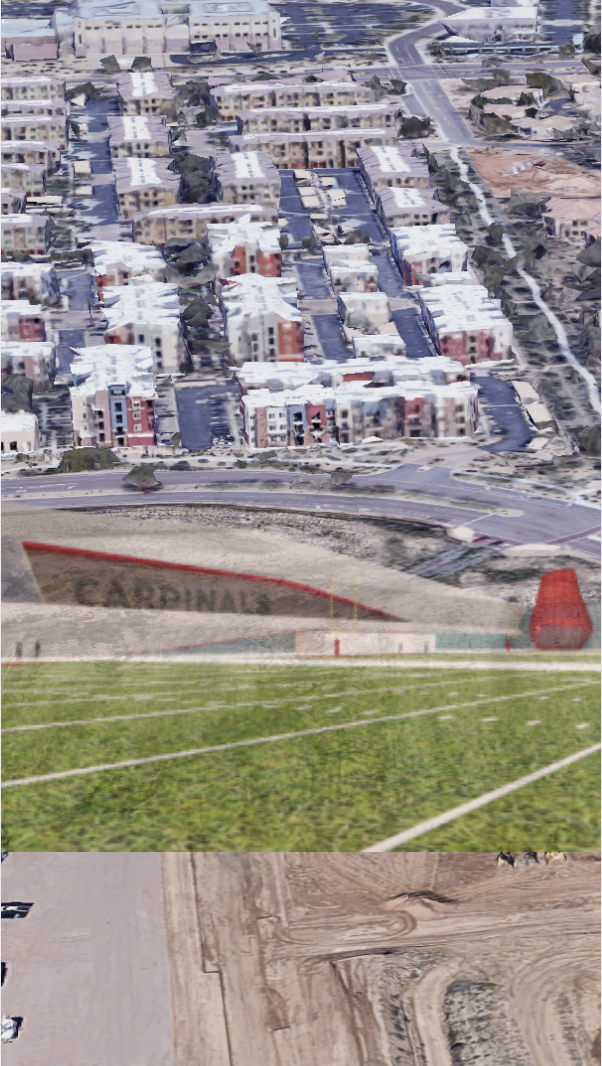 Arizona Cardinals’ $136 Million “Headquarters Alley” Project: How a 217-Acre Deal Will Redefine North Phoenix by 2028
 Public Safety as an Asset Class: The New Scottsdale AdvantageIn today’s Smart City economy, safety isn’t simply about peace of mind—it’s becoming a measurable, marketable asset class. Scottsdale is proving that public safety can be engineered into the fabric of
Nice to meet you! I’m Katrina Golikova, and I believe you landed here for a reason.
I help my clients to reach their real estate goals through thriving creative solutions and love to share my knowledge.