On June 24, 2025, Maricopa County Board of Supervisors adopted a zoning amendment streamlining approvals for mixed-use and high-density multifamily developments within transit corridors, notably along Central Phoenix, Tempe, and Mesa. The regulatory change reduces conditional use permit timelines by up to 40 days and introduces density bonuses for incorporating renewable energy or affordable units. This framework increases certainty for institutional portfolios and supports urban-infill wealth management strategies. Property tax implications center on the shift from commercial to higher-density residential assessments, which can affect long-term cash flow models. Future-proof development is further supported by new requirements for gigabit-ready digital infrastructure in all new multifamily projects.

The Anthem Community Council has completed a $12 million expansion of the community recreation center, adding a new indoor pool, fitness studios, and event spaces. Membership is expected to increase by 25% based on recent demographic trends. The project was funded via special assessment and supported by Maricopa County grants. Wealth managers highlight community amenities as key factors in home valuation. Facility upgrades comply with current building codes and emphasize low-maintenance, sustainable materials. The contractor, Haydon Building Corp, has an established record in municipal projects statewide. Community impact includes increased programming for all ages and improved social cohesion.
Florence Unified School District, with support from the Arizona School Facilities Board, has commenced construction on a new K-8 school. The $38 million facility is scheduled to open in 2025, serving up to 1,200 students. The design incorporates flexible learning spaces and solar-ready infrastructure. The project leverages Florence’s development impact fees, reducing taxpayer burden. DLR Group, the architect, specializes in education facilities throughout Arizona. Education-related property enhancements are generally regarded as stabilizing for neighborhood values. Community leaders highlight the new school’s role in accommodating Florence’s recent population growth.
Maricopa County continues to lead Arizona in new residential construction, issuing over 4,800 permits in Q2 2025, reflecting a 12% annual increase per U.S. Census Building Permits Survey. Most activity is concentrated in Queen Creek, Buckeye, and Goodyear, as tracked on city permit portals. Increased construction signals robust demand, and wealth managers are closely monitoring the timing of asset deployment to optimize for tax incentives linked to new builds. State and county initiatives streamline permit approval to encourage mixed-use and multi-generational housing, while ensuring new developments adhere to advanced water management regulations. Cities are integrating sustainability metrics into permitting, such as mandatory EV charging readiness and xeriscape landscaping, positioning the region as a model for future-proof growth.
Scottsdale’s Active Cases portal shows a 21% uptick in mixed-use rezoning requests in the first half of 2025, with developers clustering near Old Town and the McDowell Corridor. This signals diversified income streams for local investors. Higher-density allowances may alter mill rate calculations for owners. Recent city council sessions emphasized sustainable transit links and walkability enhancements, which bolster long-term asset desirability in these districts.
The Maricopa County Board of Supervisors has authorized an update to the County Comprehensive Plan and Zoning Ordinance, the first major revision in over a decade. This process covers updates to rural and unincorporated area zoning, lot splits, and use permissions, aiming to align regulations with new state housing legislation. Wealth managers and real estate tax advisors should anticipate changes to entitlements and possible impacts on legacy land holdings. These reforms may affect future value trajectories, particularly in transition zones, by supporting more flexible development. The county’s planning department is actively soliciting input from local property owners and professional associations, reflecting a move toward participatory regulatory models and digital transparency.
Active listings in Phoenix have surged 47% year-over‑year to approximately 26,580 homes as of June 1, 2025, while pending sales fell 8.4% and closed sales dropped 6.6%, resulting in a Cromford® Market Index of 73—indicating a buyer’s market dominated by oversupply and cooling demand. Median sales price has held steady at $455,000 (+1.1% YoY), with average price per square foot edging up 0.8% to $300. For wealth management, this stabilizes entry-point asset valuations; tax assessments remain stable, softening owner exposure.
Two new Arizona state laws—HB 2720 (permitting up to three backyard casitas on single‑family parcels) and HB 2297 (“adaptive reuse” of commercial properties to multifamily apartments)—have been enacted, significantly limiting Scottsdale’s local zoning control. From a wealth‑management perspective, these changes may unlock previously inaccessible development corridors, diversifying future cash‑flow assets. However, owners in affected neighborhoods must consider potential changes in property assessments and municipal tax bases. These laws reflect legislative shifts curtailing municipal discretion—a trend that may affect regulatory risk models.


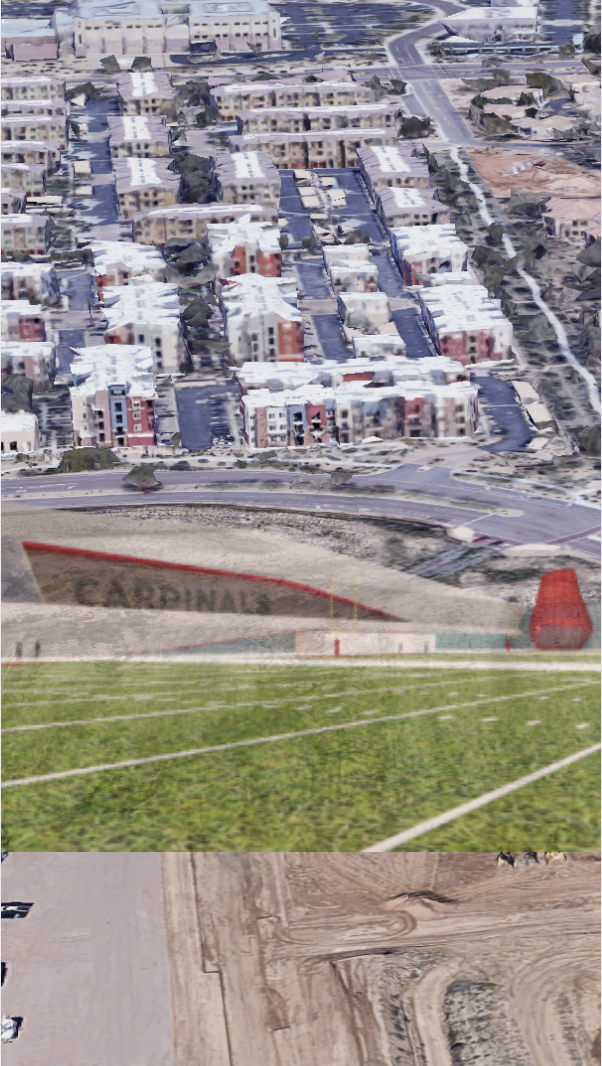 Arizona Cardinals’ $136 Million “Headquarters Alley” Project: How a 217-Acre Deal Will Redefine North Phoenix by 2028
 Public Safety as an Asset Class: The New Scottsdale AdvantageIn today’s Smart City economy, safety isn’t simply about peace of mind—it’s becoming a measurable, marketable asset class. Scottsdale is proving that public safety can be engineered into the fabric of
 The Emerging Landscape: Digital Twins + Efficiency as Value SignalsWithin smart-city discourse and proptech circles, digital twins are evolving from novelty to near necessity. These virtual replicas of physical assets—fed by IoT sensors, performance data, and
 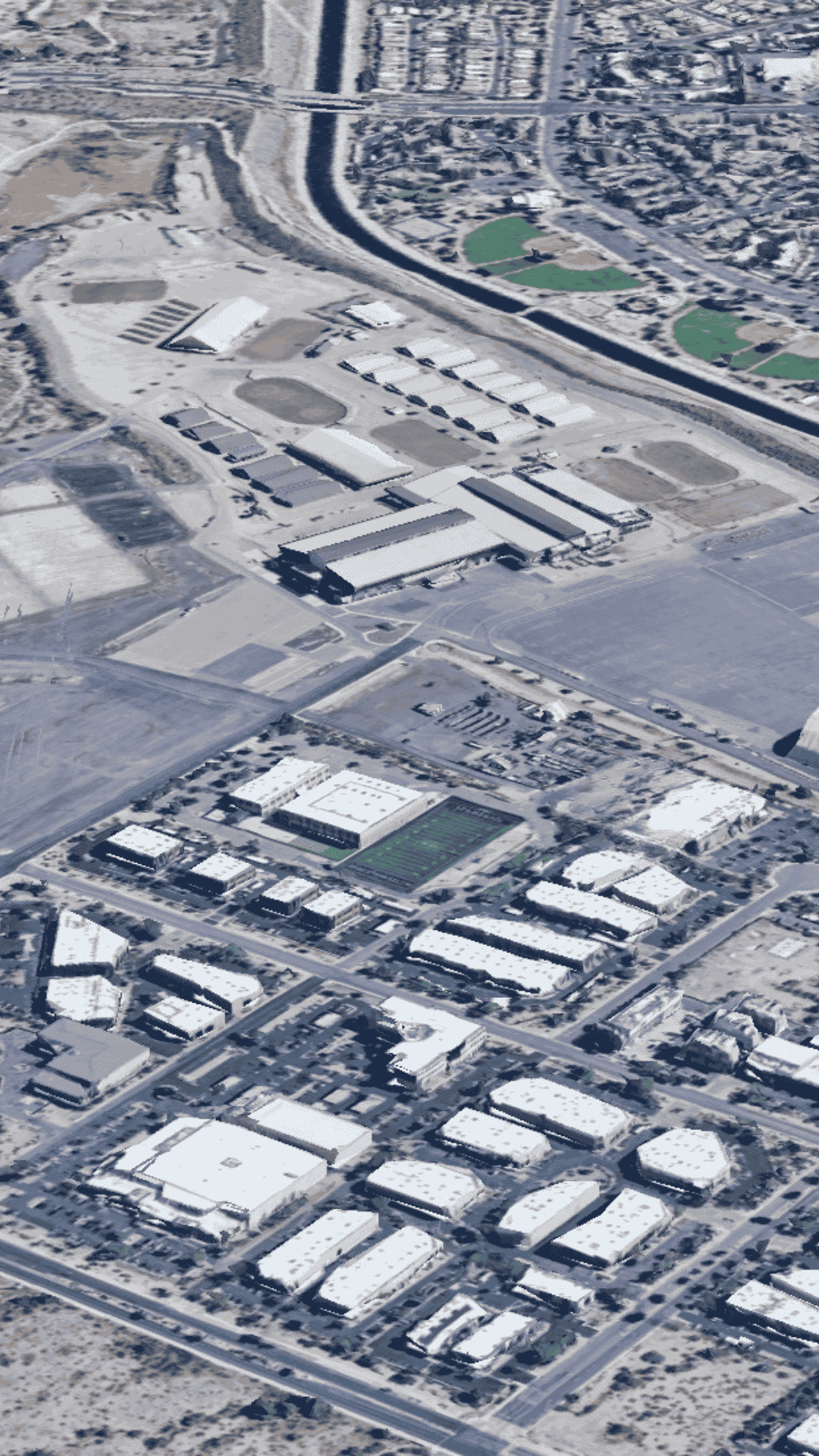 Inside Scottsdale’s Collector’s Garage at WestWorld: The Rise of Luxury Car Condos and Smart Automotive Living in ArizonaIn 2025, Scottsdale took a bold step in catering to the lifestyle aspirations of automotive aficionados: the city council unanimously approved The Collector’s Garage at WestWorld, a luxury “car condo”
Nice to meet you! I’m Katrina Golikova, and I believe you landed here for a reason.
I help my clients to reach their real estate goals through thriving creative solutions and love to share my knowledge.