On June 24, 2025, Maricopa County Board of Supervisors adopted a zoning amendment streamlining approvals for mixed-use and high-density multifamily developments within transit corridors, notably along Central Phoenix, Tempe, and Mesa. The regulatory change reduces conditional use permit timelines by up to 40 days and introduces density bonuses for incorporating renewable energy or affordable units. This framework increases certainty for institutional portfolios and supports urban-infill wealth management strategies. Property tax implications center on the shift from commercial to higher-density residential assessments, which can affect long-term cash flow models. Future-proof development is further supported by new requirements for gigabit-ready digital infrastructure in all new multifamily projects.

Prescott is experiencing a surge in demand for health-oriented masterplanned communities, with several new developments breaking ground in the Deep Well Ranch and Prescott Lakes corridors. These projects feature integrated wellness centers, walking trails, and low-impact xeriscaping, attracting retirees from high-cost coastal markets. According to city records, over 400 new residential units were permitted in the first half of 2025. For wealth portfolios, these communities offer a defensive niche with strong demographic tailwinds. Prescott’s property tax assessments are steady, and no new levies have been introduced. On the regulatory front, the city has approved several water-conservation and wildfire-hardening initiatives—such as defensible-space grants and drip-irrigation rebates—enhancing long-term asset resilience in hillside locales.
The city’s Construction Progress page notes water, sewer, storm, electrical, telecom, gas, paving, and traffic signal infrastructure for Litchfield Square were completed in February 2025, clearing the way for buildings to rise. Local coverage in July 2025 reports multiple buildings approved and the first foundations underway on the 26-acre mixed-use site in the city’s heart. A separate May 2025 council action advanced designs for a new hilltop library nearby, strengthening civic anchors. For wealth holders, timing certainty and place-making raise lease-up quality. Tax capture should benefit from retail, hospitality, and residential components. Regulatory milestones include site plan and design approvals. Value stability improves with activated public realm. Smart-city considerations include utility upgrades, signalization, and walkable blocks.
In August 2025 the council adopted an ordinance requiring major water users to submit detailed applications, conservation plans and reclaimed-water strategies before connecting, with thresholds triggering council review and public disclosure; the move aligns with regional interest in regulating data-center water footprints. Wealth-scale industrial investors should underwrite water compliance as a condition precedent. Tax impacts hinge on permitting of high-load users. Regulators across Pima County are exploring parallel zoning guardrails. Values for industrial land will bifurcate by water feasibility. Smart-water systems, telemetry and reuse will be differentiators.
On June 30, 2025, the Arizona State Legislature advanced a ballot measure for November 2025 proposing to cap annual increases in property taxes for owner-occupied primary residences at 3%, mirroring similar measures in California and Texas. If approved, this change will affect wealth management strategies, potentially increasing the appeal of long-term ownership and estate transfers. Municipal governments caution that the measure may constrain future revenue for public services, impacting future infrastructure investment. From a future-proofing lens, predictable property taxes are likely to enhance financial planning certainty but may shift fiscal pressures to commercial and investment properties.
Scottsdale’s City Council recently approved a suite of green building code updates, effective August 2025, requiring new residential and commercial projects to include greywater-ready plumbing and increased solar-shading. The city’s Green Building Program also offers expedited permitting for LEED-certified projects, attracting ESG-conscious capital. For high-net-worth owners, these updates enhance property resilience and potentially reduce long-term utility costs, though upfront construction costs may rise by 3-5%. Property tax assessments are not immediately affected, but the city is exploring tax rebates for net-zero-energy homes. Smart-city infrastructure, such as the city’s digital "Building Permit Portal," continues to reduce administrative friction for developers and homeowners alike.
In July 2025, Phoenix saw median home prices remain at $450,000–$460,000—up slightly from June 2024—but decline ~1.1–1.3% month-over-month, while active listings increased ~42%, with total listings near 28,862 (+37% YoY). Monthly sales rose modestly (+4.9% YoY) but slid 6.8% from May Budwig Team. Loan Depot and local brokers report buyer hesitation due to 7%+ interest rates. For wealth portfolios, this signals a transition from appreciation to yield focus. Tax-wise, flat price growth may limit property tax hikes in 2026. Legislatively, the market is monitoring potential state-level mortgage-relief proposals. Environmentally, new builds are increasingly smart-grid ready, though the existing housing stock faces rising insurance costs due to climate heat risks.
The ongoing expansion of the Valley Metro light rail into South Phoenix is driving a 12% year-over-year increase in property values within a half-mile of planned stations, according to recent Maricopa County assessor data. The South Central extension, scheduled for full operation by 2026, is attracting significant mixed-use and transit-oriented development. For wealth managers, this represents a high-potential urban infill opportunity, though early-stage volatility remains a factor. Tax considerations: many of these parcels fall within Opportunity Zones, offering capital gains deferral benefits. City of Phoenix regulations currently incentivize "Smart Density" along this corridor. Long-term property tax revenue is expected to climb due to increased property assessments rather than rate hikes. Legislative voter backing for Proposition 104 in 2015 underpins such long‑term planning. Environmentally, reduced car dependency aligns with sustainability goals, while smart-city infrastructure enhances livability.


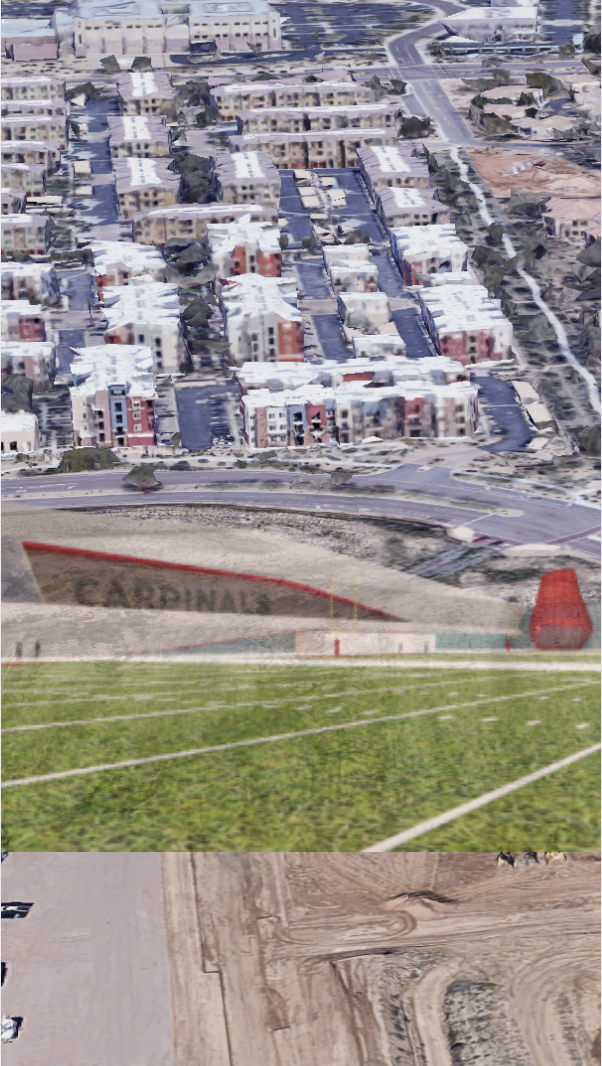 Arizona Cardinals’ $136 Million “Headquarters Alley” Project: How a 217-Acre Deal Will Redefine North Phoenix by 2028
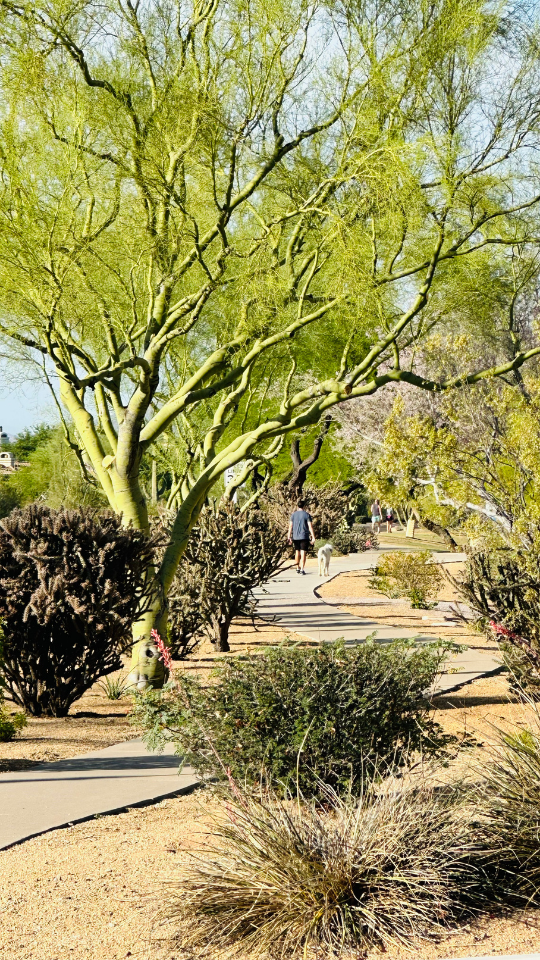 Public Safety as an Asset Class: The New Scottsdale AdvantageIn today’s Smart City economy, safety isn’t simply about peace of mind—it’s becoming a measurable, marketable asset class. Scottsdale is proving that public safety can be engineered into the fabric of
 Seven Arizona Cities Shine in WalletHub’s “Best Places to Drive” RankingsArizona has quietly become a standout when it comes to driver-friendliness, according to the latest WalletHub study comparing the 100 largest U.S. cities. Among that list, seven Arizona municipalities
 Built-In Niches & Shadow Alcoves: Reimagining traditional niches as serene display recesses or softly lit altars.In Arizona’s architectural story, the niche has long served as a quiet backdrop—originally practical, sometimes spiritual, often decorative. Today, with the rise of biophilic design, curated
Nice to meet you! I’m Katrina Golikova, and I believe you landed here for a reason.
I help my clients to reach their real estate goals through thriving creative solutions and love to share my knowledge.