The Mattel Adventure Park in Glendale, adjacent to the VAI Resort, blends immersive attractions tied to brands like Barbie and Hot Wheels. It represents a large experiential, tourism-driven real-estate anchor. Nearby hospitality, retail, entertainment real-estate may see uplift from increased visitation traffic. Local jurisdictions will face infrastructure demands (roads, parking, utilities). From a regulatory angle, permitting and event zoning will be important. In value terms, properties in surrounding districts may see revaluation linked to visitor amenities and foot traffic.

In the Sedona and Prescott markets, luxury and retirement home demand remains robust, with median sales prices rising 6.5% and 5.2% year-over-year, respectively, as of Q2 2025. While Sedona’s inventory remains extremely tight due to strict short-term rental (STR) regulations and limited land, Prescott has seen a 12% increase in new listings. Wealth managers favor these markets for their historical capital preservation qualities and lower exposure to urban market volatility. Sedona’s city council recently increased the resort-tax allocation to support affordable housing, a legislative move that aims to stabilize the local workforce. Meanwhile, Prescott is investing in smart-grid infrastructure to support its growing senior population. Asset durability is high, supported by proactive environmental and water-management policies.
The Laveen West Village, a new masterplanned community on the city’s edge, has received initial plat approval for its first 500 units. With phased land release and municipal tax incentives, the project appeals to both long-term investors and community foundations. Sustainability requirements and open-space allocations are built into approvals, reinforcing enduring value.
Prescott has seen $60 million in new health and wellness facility construction in the past year, responding to increased in-migration and retirement. These projects are tax-advantaged and enjoy municipal incentives for medical uses. Updated regulatory guidance mandates energy and seismic upgrades, promoting long-term building performance and sustainability.
The City of Scottsdale approved major zoning adjustments near the Axon Technology Campus and Crossroads East masterplan, setting the stage for over 1,100 residential units and 900,000 square feet of commercial space. The development agreement includes public-private funding for a $38 million infrastructure overlay, partially bonded through the Community Facilities District (CFD) mechanism.
The Verde Reservoirs Sediment Mitigation Project (VRSMP) is a federally authorized feasibility study—mandated under the Infrastructure Investment and Jobs Act—examining alternatives to restore lost capacity in Bartlett Lake due to sediment buildup. One key design under consideration proposes raising the dam by approximately 100 feet, which could create up to 323,000 acre-feet of additional storage—roughly one year’s supply for over a million households in central Arizona. The Bureau of Reclamation issued a formal Notice of Intent to begin NEPA’s Environmental Impact Statement (EIS) process in mid‑July 2025, which will include a 30-day public scoping period and both virtual and in-person public meetings.
Sun City, Sun City West, and new 55+ masterplanned communities continue to set benchmarks for active-adult living, with ARMLS and CoStar reporting consistently high occupancy and rapid resales—median time on market is less than three weeks. These developments are increasingly structured as wealth-preservation vehicles, often featuring favorable property tax rates and robust community governance. Regulatory policies remain focused on age-restriction compliance and healthcare access, while amenities now frequently include renewable energy microgrids and on-site wellness centers, supporting both sustainability and long-term value.
Tucson’s Southeast Growth Area—covering Vail, Rita Ranch, and Rocking K—has been designated under the 2025 Green Growth Overlay. This policy aligns city utility, zoning, and transportation approvals to favor net-zero masterplans. According to the City of Tucson’s July 2025 planning bulletin, over 2,300 units are under entitlement with solar-integrated infrastructure requirements. Pima County’s tax rebate program for LEED Gold communities enhances post-completion ROI for developers and institutional holders. Water reuse credits and per-lot electric vehicle charging mandates further align these communities with long-term value retention standards.

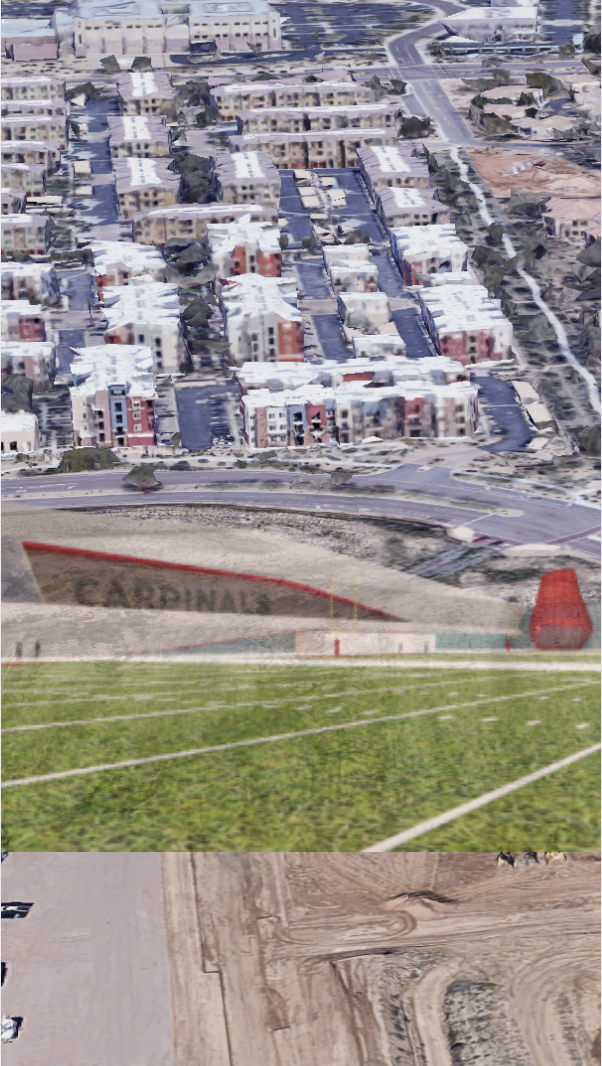 Arizona Cardinals’ $136 Million “Headquarters Alley” Project: How a 217-Acre Deal Will Redefine North Phoenix by 2028
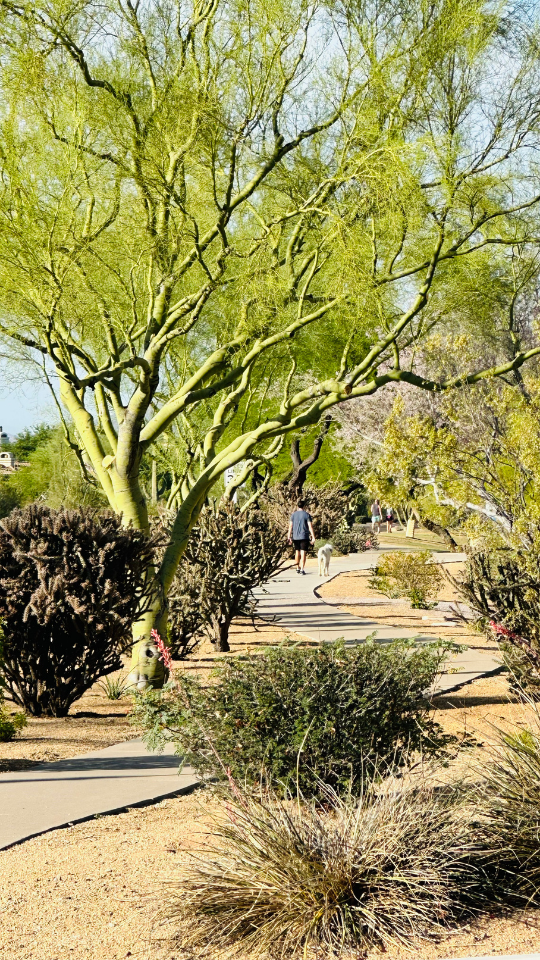 Public Safety as an Asset Class: The New Scottsdale AdvantageIn today’s Smart City economy, safety isn’t simply about peace of mind—it’s becoming a measurable, marketable asset class. Scottsdale is proving that public safety can be engineered into the fabric of
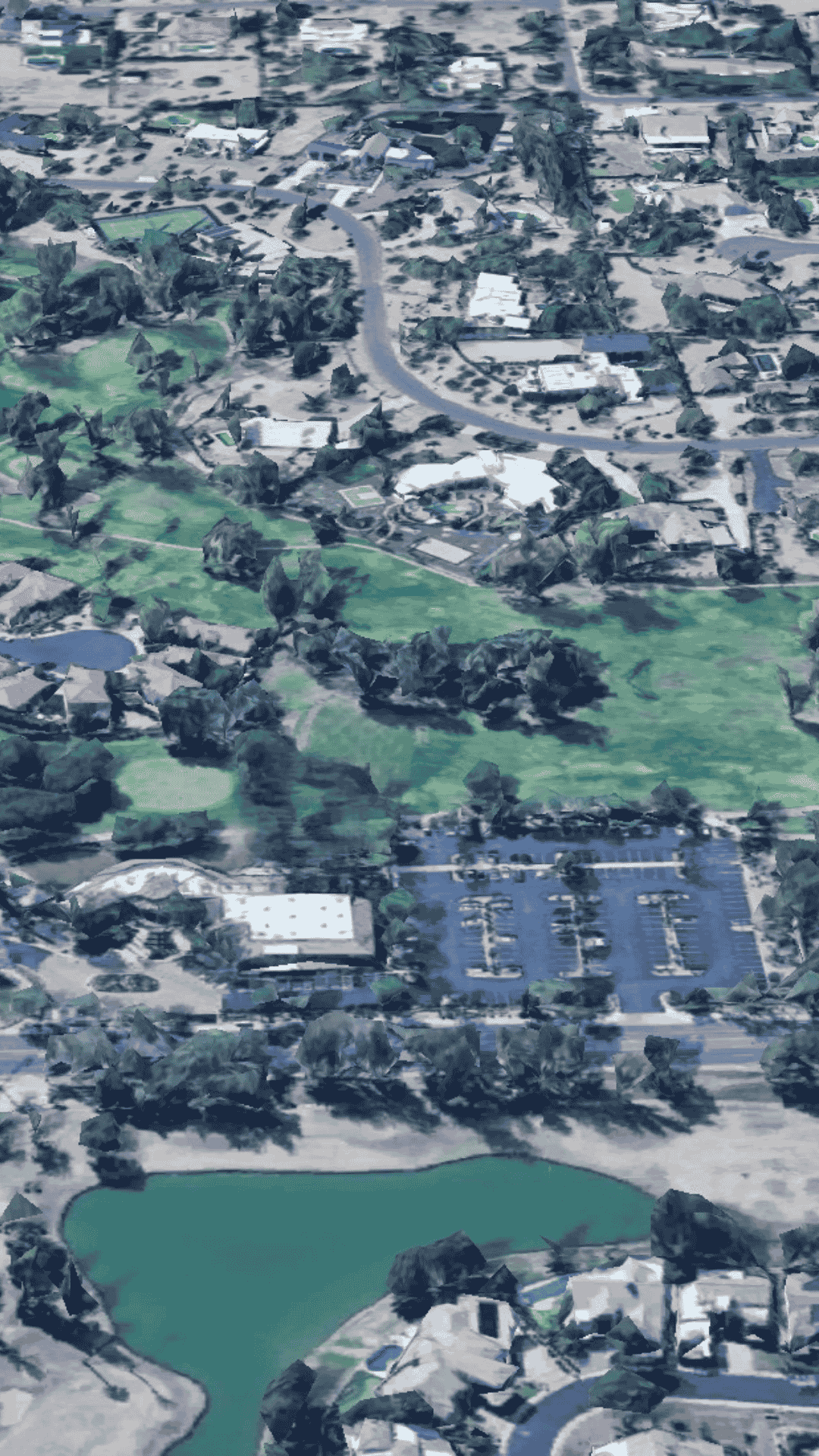 Starfire Golf Club Redevelopment: Scottsdale’s Seven-Home Vision Balancing Heritage, Sustainability, and Smart GrowthIn the evolving tapestry of Scottsdale’s urban landscape, the concept of redeveloping a portion of the Starfire Golf Club into a small enclave of just seven homes is capturing attention. This vision
 Nice to meet you! I’m Katrina Golikova, and I believe you landed here for a reason.
I help my clients to reach their real estate goals through thriving creative solutions and love to share my knowledge.