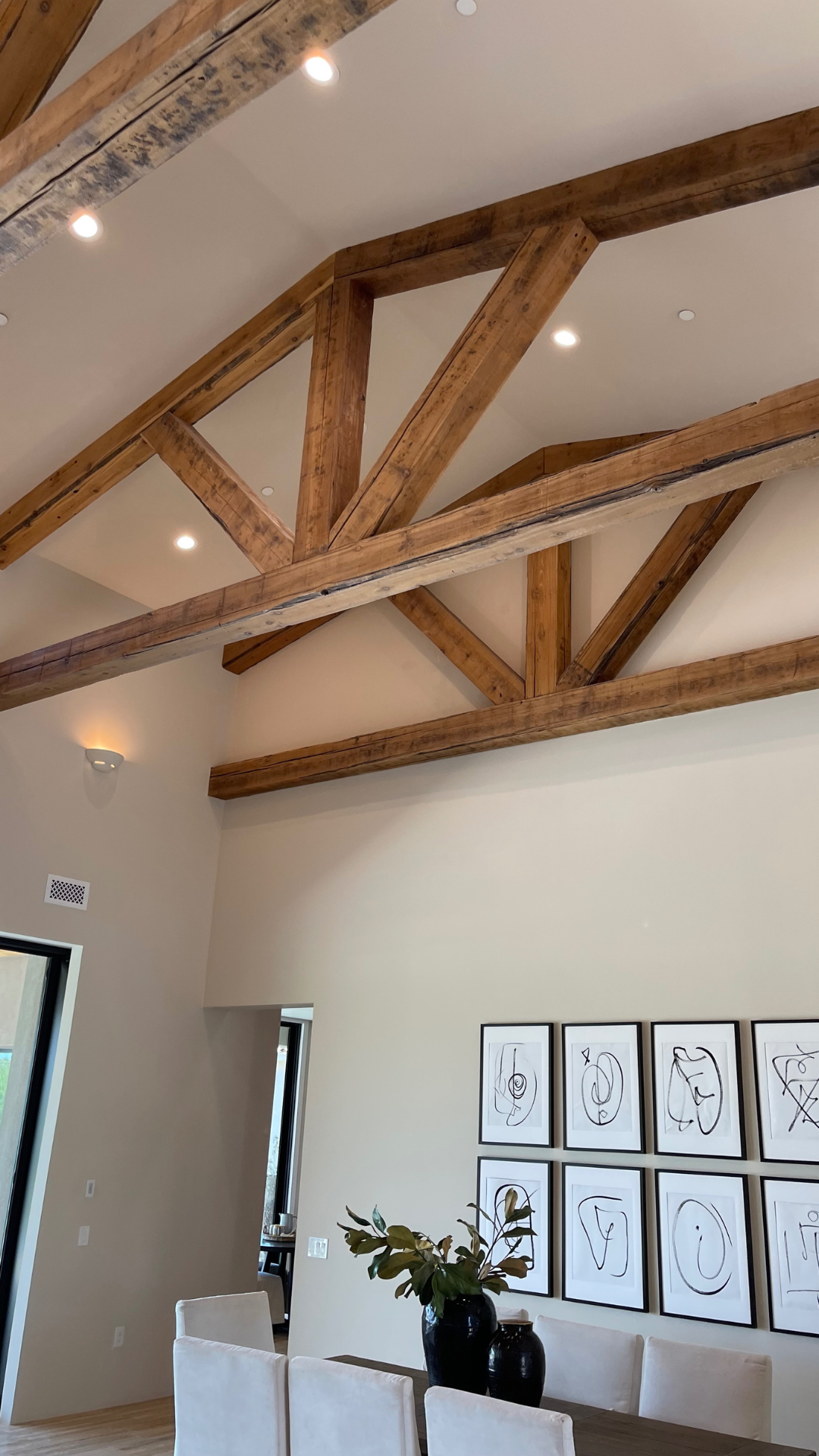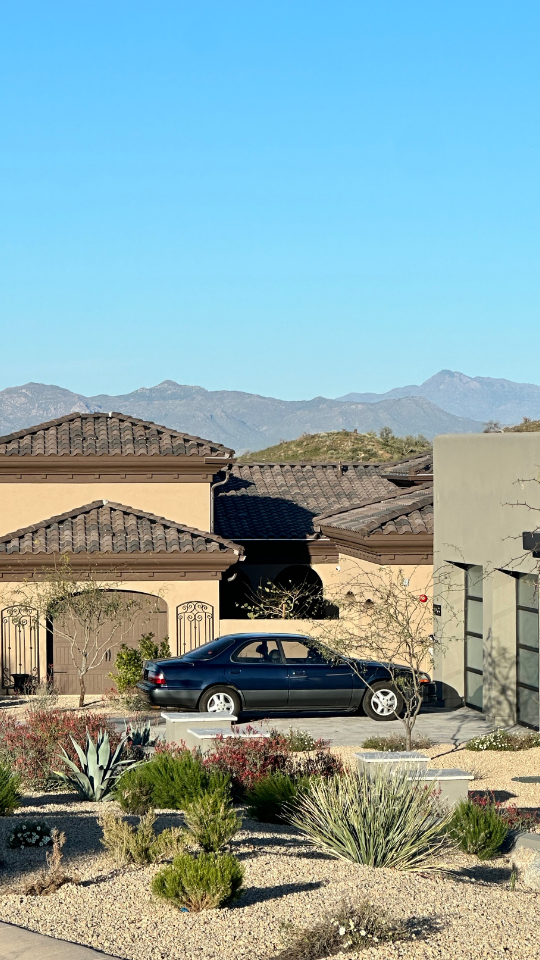
The Mattel Adventure Park in Glendale, adjacent to the VAI Resort, blends immersive attractions tied to brands like Barbie and Hot Wheels. It represents a large experiential, tourism-driven real-estate anchor. Nearby hospitality, retail, entertainment real-estate may see uplift from increased visitation traffic. Local jurisdictions will face infrastructure demands (roads, parking, utilities). From a regulatory angle, permitting and event zoning will be important. In value terms, properties in surrounding districts may see revaluation linked to visitor amenities and foot traffic.

Prescott’s premier masterplans—Prescott Lakes and Deep Well Ranch—continue to attract high-net-worth buyers seeking altitude-driven climate relief and year-round golf access. Deep Well Ranch alone is set to deliver over 5,000 new homes by 2030, with 1,100 units already approved in its next construction phase. Median new home prices exceed $740,000 (Cromford Report), with cash transactions dominant. Yavapai County’s low millage rate and minimal special assessment districts support tax-advantaged portfolio structuring. The city’s participation in the Verde River Watershed conservation partnership adds long-term ecological value.
On June 24, 2025, Maricopa County Board of Supervisors adopted a zoning amendment streamlining approvals for mixed-use and high-density multifamily developments within transit corridors, notably along Central Phoenix, Tempe, and Mesa. The regulatory change reduces conditional use permit timelines by up to 40 days and introduces density bonuses for incorporating renewable energy or affordable units. This framework increases certainty for institutional portfolios and supports urban-infill wealth management strategies. Property tax implications center on the shift from commercial to higher-density residential assessments, which can affect long-term cash flow models. Future-proof development is further supported by new requirements for gigabit-ready digital infrastructure in all new multifamily projects.
Sedona’s luxury real estate market remains a seller-favored niche, with median sales prices for premium homes reaching $1.85 million in Q2 2025. ARMLS data shows that active listings in the $2M+ segment have declined by 5% year-over-year, largely due to a lack of new construction and strict caps on short-term rentals (STRs). The Sedona City Council’s 2025 regulatory update further restricts new STR licenses in residential zones, aimed at preserving neighborhood character. Wealth management perspectives highlight Sedona as a low-volatility asset class for capital preservation, despite the lower yields on rental income. Property taxes remain stable, and the city’s proactive wildfire mitigation and water-conservation ordinances bolster the long-term insurability of hillside assets. Smart-city infrastructure in Sedona is currently focused on trailhead management and sustainable tourism tech to protect the area’s natural capital.
In August 2025, Eloy’s median sale price was $300,000 (-8.3% YoY) with 74 median days on market and 12 sales. ZIP 85131 showed a $330,000 median (+5.6% YoY) with 113 days on market and 36 sales. Pinal County’s first-half taxes are due October 1 and second-half due March 1, guiding cash-flow timing. Arizona’s Assured Water Supply program requires a 100-year demonstration for new subdivisions in AMAs. The Post-2025 AMAs Committee is evaluating strategies after the current management period ends in 2025. An Ag-to-Urban groundwater-credit program established by SB1611 becomes effective September 26, 2025, to help sustain growth while protecting groundwater. ADWR has updated Phoenix AMA groundwater modeling and policy communications since 2023, shaping certificate reviews. Governor-backed legislation in 2025 sought broader rural groundwater protections, highlighting ongoing regulatory attention. Statewide, active listings and days on market have climbed, expanding buyer choice; Arizona’s median DOM was 72 days in August. Nationally, Redfin notes sellers outnumber buyers by roughly half a million, reinforcing negotiability. Phoenix-area CPI rose 0.9% over the two months ending August 2025, informing real income and rent assumptions. Wealth managers may find relative yields attractive versus metro cores at current price points. For taxes, the October/March cadence aids escrow planning. Legislative clarity on AAWS and credits supports underwriting discipline. Over a longer arc, policy-driven water assurance remains central to value stability. Inventory depth and measured growth favor a sustainability lens on landscaping and usage.
This June, Scottsdale approved site work for The Enclave at Silverleaf, a $180 million, 250-unit luxury senior living project targeting high-net-worth retirees. The Cromford Report notes Scottsdale’s 55+ housing demand rose 14% year-over-year. This asset class offers estate planners stable cash flows and potential step-up basis benefits. Arizona tax policy remains favorable for senior housing developers, with limited capital gains impact on long holds. Sustainability measures include solar integration and drought-resistant landscaping, supporting Scottsdale’s smart-growth vision.
Sedona has initiated two eco-resort projects and expanded trailhead infrastructure, enhancing both hospitality returns and local conservation. Tax revenue from tourism funds public services, while city ordinances require water-neutral operations and native landscaping to maintain natural capital and long-term economic value.
Banner Health has initiated construction on a new medical campus at Power and Germann roads in Mesa, representing a $400 million investment. The facility will feature a 120-bed hospital and an adjoining medical office building, expected to create approximately 1,000 new healthcare jobs upon completion in 2026. This expansion will meet the city’s rising population demands, supporting health-sector growth while enhancing regional tax revenue through increased employment and property values. The project aligns with state healthcare expansion policies and leverages Banner’s reputation for operational excellence. Designed with LEED standards in mind, the development aims for energy efficiency and low water use, enhancing its long-term value proposition. The project team includes architects from HKS, Inc., with Layton Construction as the builder, both of whom have delivered similar large-scale facilities for Banner throughout Arizona. Community feedback points to broad support for improved access to care and economic stimulus.


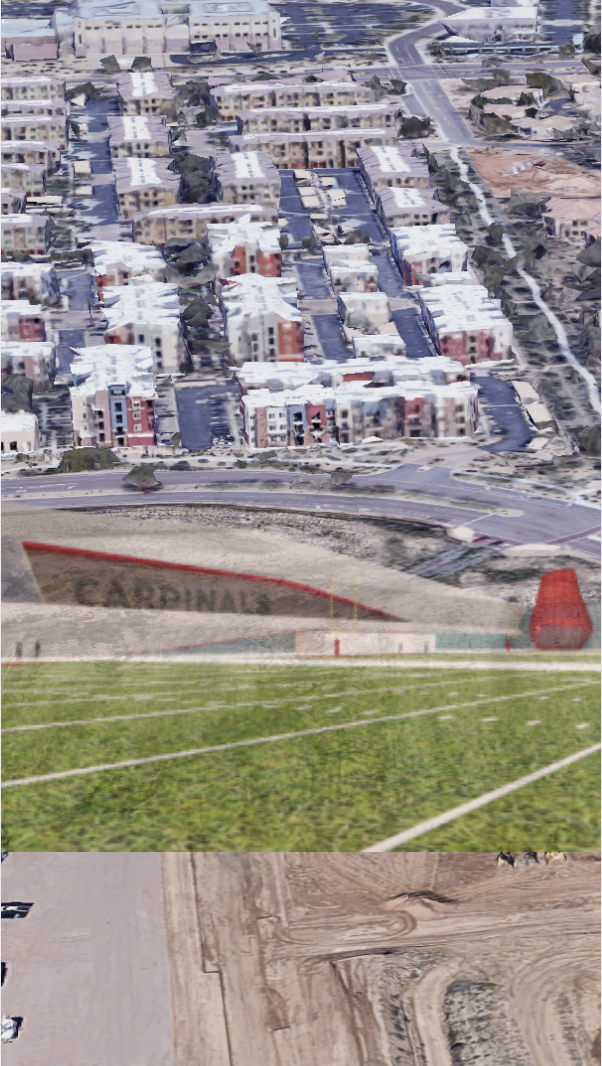 Arizona Cardinals’ $136 Million “Headquarters Alley” Project: How a 217-Acre Deal Will Redefine North Phoenix by 2028
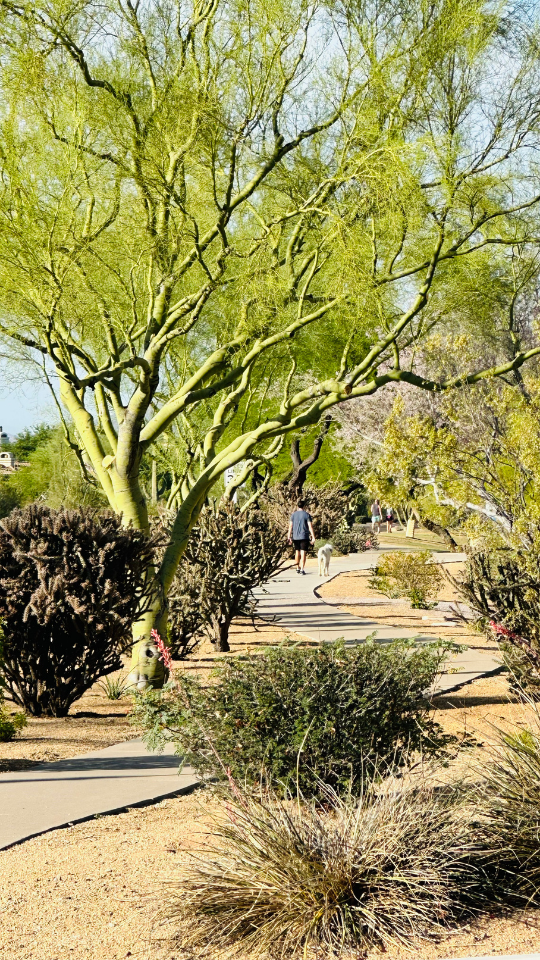 Public Safety as an Asset Class: The New Scottsdale AdvantageIn today’s Smart City economy, safety isn’t simply about peace of mind—it’s becoming a measurable, marketable asset class. Scottsdale is proving that public safety can be engineered into the fabric of
Nice to meet you! I’m Katrina Golikova, and I believe you landed here for a reason.
I help my clients to reach their real estate goals through thriving creative solutions and love to share my knowledge.