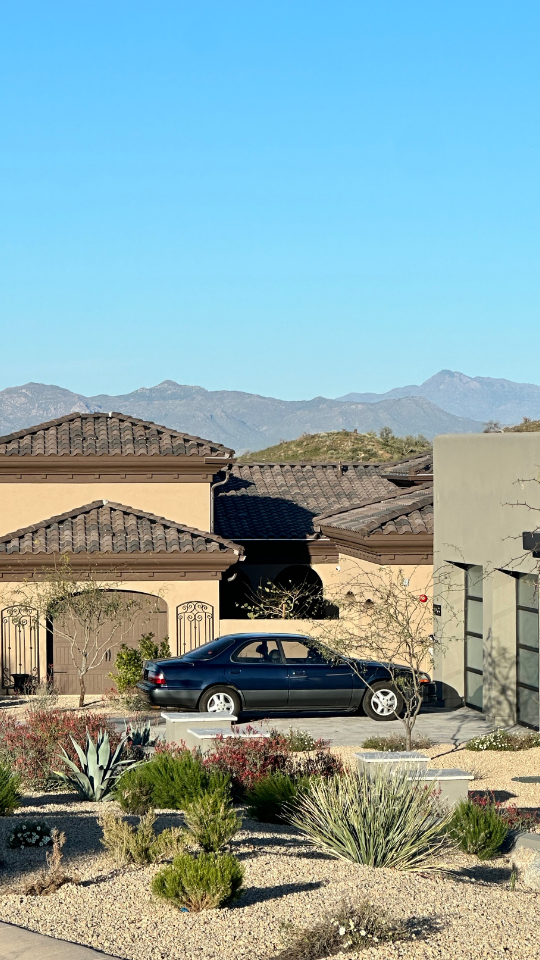
The Mattel Adventure Park in Glendale, adjacent to the VAI Resort, blends immersive attractions tied to brands like Barbie and Hot Wheels. It represents a large experiential, tourism-driven real-estate anchor. Nearby hospitality, retail, entertainment real-estate may see uplift from increased visitation traffic. Local jurisdictions will face infrastructure demands (roads, parking, utilities). From a regulatory angle, permitting and event zoning will be important. In value terms, properties in surrounding districts may see revaluation linked to visitor amenities and foot traffic.

Several major master-planned communities have commenced development in the last quarter, including Verde River, Queen Creek Station, and projects in Casa Grande and Maricopa City. These offer a mix of luxury, family, and active adult housing options, with substantial private amenity packages and built-in sustainability features. For investors, new-build incentives, phased tax assessments, and favorable depreciation schedules provide multiple planning angles. Regulatory fast-tracking for these projects includes comprehensive infrastructure and environmental review. City partnerships are prioritizing greenways, integrated trails, and water-smart design to ensure long-term value and resilience.
With 88% of developable land already built out, Chandler has shifted its housing strategy toward infill and vertical redevelopment. According to city planning reports, fewer than 1,400 acres remain for new horizontal construction, a constraint that now guides strategic rezoning. As the city enters a mature cycle phase, median home values hover at $539,000, with limited room for entry-level housing. Estate planners should consider constrained inventory’s upward price pressure on legacy asset valuations. Chandler’s innovative adaptive reuse of retail centers supports future-proof resilience, and civic tech pilots align with national “What Works Cities” benchmarks.
As of mid-July 2025, ARMLS reported that Phoenix had 7,141 listings under contract, a 10.2% increase month-over-month, while active listings dropped 4.7% from June. 1Median days on market shortened to 41 days, compared to 48 in June, reflecting rising buyer urgency. Cromford Report's Contract Ratio Index climbed to 88.9 in Phoenix proper, indicating a hotter-than-average market, particularly for homes priced below $600,000. This dynamic supports short-term investment visibility, encourages efficient tax realization on capital gains, and may signal regulatory tightening in water supply issuance for new subdivisions. Phoenix’s fast DOM reduction and steady demand remain in alignment with smart growth infrastructure plans targeting West Valley transit expansion.
Sedona’s newest 50-unit luxury infill project is now under construction, focusing on high-density luxury with minimal environmental impact. Limited supply and high entry costs support asset value preservation. City tax assessments for luxury infill are stable. New developments must adhere to Sedona’s rigorous Dark Sky and water neutrality codes, bolstering their ESG status.
Demolition of the shuttered Metrocenter mall began November 2024 to make way for a $750 million redevelopment encompassing retail, apartments, and services. This urban village conversion is expected to reinvigorate West Phoenix real-estate demand and boost future tax revenues from mixed-use property. It was supported by redevelopment incentives and city plan alignment. Introducing residential alongside retail offers resilience by hedging income sources. Smart-city infrastructure such as stormwater retention and EV‑ready charging is planned.
The Phoenix metro delivered 25,000 new multifamily units over the past 12 months, with an additional 27,000 under construction (6.7 % of existing inventory) as of January 2025. Downtown Phoenix, Tempe, and Southwest Valley saw vacancy rise modestly—an opening for rental yield optimization through targeted renovations. These additions expand property tax base, while local tax abatements for infill apartments support transit‑oriented development. Regulatory emphasis on reducing parking minimums and incentivizing net-zero energy buildings enhances long‑term asset resilience.
Sedona has initiated two eco-resort projects and expanded trailhead infrastructure, enhancing both hospitality returns and local conservation. Tax revenue from tourism funds public services, while city ordinances require water-neutral operations and native landscaping to maintain natural capital and long-term economic value.


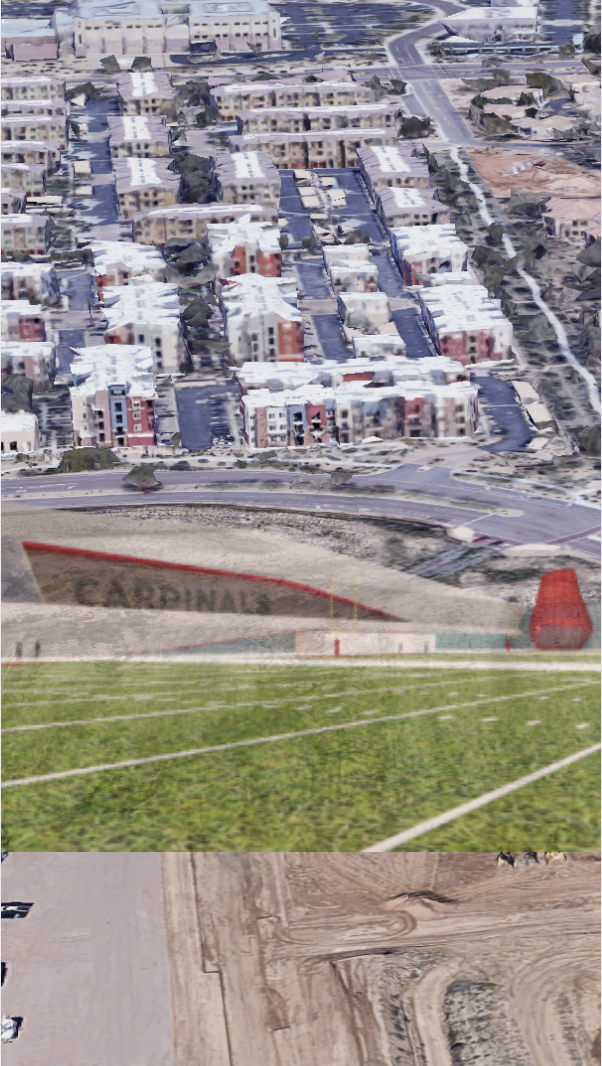 Arizona Cardinals’ $136 Million “Headquarters Alley” Project: How a 217-Acre Deal Will Redefine North Phoenix by 2028
 Public Safety as an Asset Class: The New Scottsdale AdvantageIn today’s Smart City economy, safety isn’t simply about peace of mind—it’s becoming a measurable, marketable asset class. Scottsdale is proving that public safety can be engineered into the fabric of
Nice to meet you! I’m Katrina Golikova, and I believe you landed here for a reason.
I help my clients to reach their real estate goals through thriving creative solutions and love to share my knowledge.