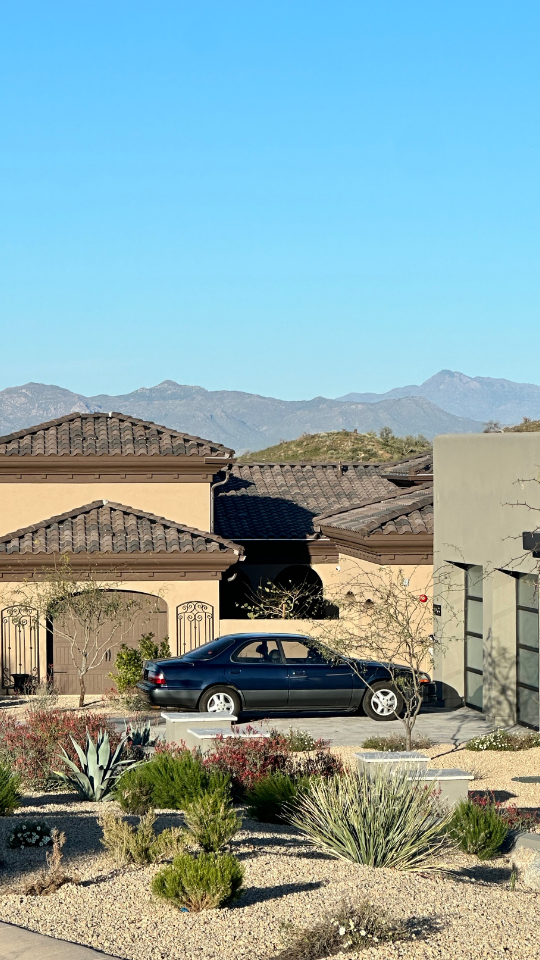
The downtown Phoenix footprint is being reshaped with multiple high-density residential towers combining amenity, retail, and office space. Many projects are scheduled to open in late 2025. This densification increases urban vitality, supports walkability, and leverages central infrastructure. For investors, premium downtown product may command higher rents and lower vacancy compared to peripheral markets. Permitting, height variances, and façade standards are material regulatory challenges. Municipal tax yield from increased density boosts revenue outlook. From a smart growth perspective, this encourages transit orientation, reduced sprawl, and efficient land use.

Casa Grande is experiencing rapid expansion, with over 1,200 new residential permits approved YTD July 2025, driven by major industrial anchors like Lucid Motors and Kohler’s facility. Arizona Commerce Authority confirms $600M+ in investment commitments for Pinal County in the past 12 months. This influx supports long-term housing demand, making the area increasingly relevant in portfolio diversification16. Advisors may note qualified opportunity zone overlays present deferral advantages for capital gains. From a legislative view, updates in Pinal’s General Plan prioritize workforce housing near transit corridors. Casa Grande’s utility scale solar projects also signal alignment with ESG benchmarks.
According to the U.S. Census Building Permits Survey and MAG projections, Queen Creek issued 1,118 residential permits YTD through June 2025, while Maricopa City surpassed 980. These figures place both cities in Arizona’s top five for new residential starts. Both municipalities report over 10 years of growth capacity based on current land entitlements, supported by active infrastructure bonds for arterial road expansion and school siting. From a capital markets view, this pace supports scalable community development trusts. Tax credits for infrastructure overlay districts further reduce developer risk. These areas are actively aligning with smart-city frameworks including EV readiness and broadband inclusion, attracting family-centric migration patterns.
In May 2025, both Scottsdale and Paradise Valley approved revised zoning frameworks that facilitate higher-density, mixed-use luxury developments in designated "urban-edge" corridors. These reforms include expedited permitting and tax-abatement options for projects integrating workforce housing and renewable energy. For high-net-worth investors, these changes offer new entry points into formerly restricted zones. Legislative alignment with state-level housing mandates is driving these shifts, reducing local resistance to density. Future-proof designs incorporating advanced water-recycling and smart-grid compatibility are now mandatory in new approvals.
Arizona House Bill 2110, effective September 2024, requires cities to allow accessory dwelling units (ADUs) on most single-family lots statewide, overriding restrictive municipal codes. Scottsdale, Paradise Valley, and Tempe are currently revising local ordinances in response. This reform enhances future-proof use flexibility for high-value parcels, particularly in aging neighborhoods with strong utility infrastructure. Wealth portfolios benefit from potential secondary income and increased land utility.
Communities like Sterling Grove in Surprise and Alamar in Avondale are experiencing robust luxury segment absorption. According to Yardi Matrix’s Q2 2025 report, Surprise posted a 24.3% annual increase in new home sales over $600,000, the fastest among all submarkets in Maricopa County. These developments emphasize master HOA management and integrated smart grids, backed by APS's expanded Time-of-Use infrastructure.
The City of Maricopa continues to see rapid absorption in masterplanned hubs like Province and Tortosa, with new home construction starts up 10.4% year-over-year. Investors prioritize the city’s relatively low property tax environment and proactive infrastructure planning, which includes major highway improvements to SR-347. From a legislative perspective, the city’s adherence to Arizona’s 100-year water supply requirements provides long-term security for asset holders. These communities are also leading in rural smart-city integration, focusing on municipal broadband and sensor-based utility management.
Show Low has approved 150 new infill residential units in its downtown core. This project targets local housing needs and supports downtown revitalization. Zoning encourages pedestrian-friendly design and green space. Builders implement high-efficiency insulation and smart thermostats.


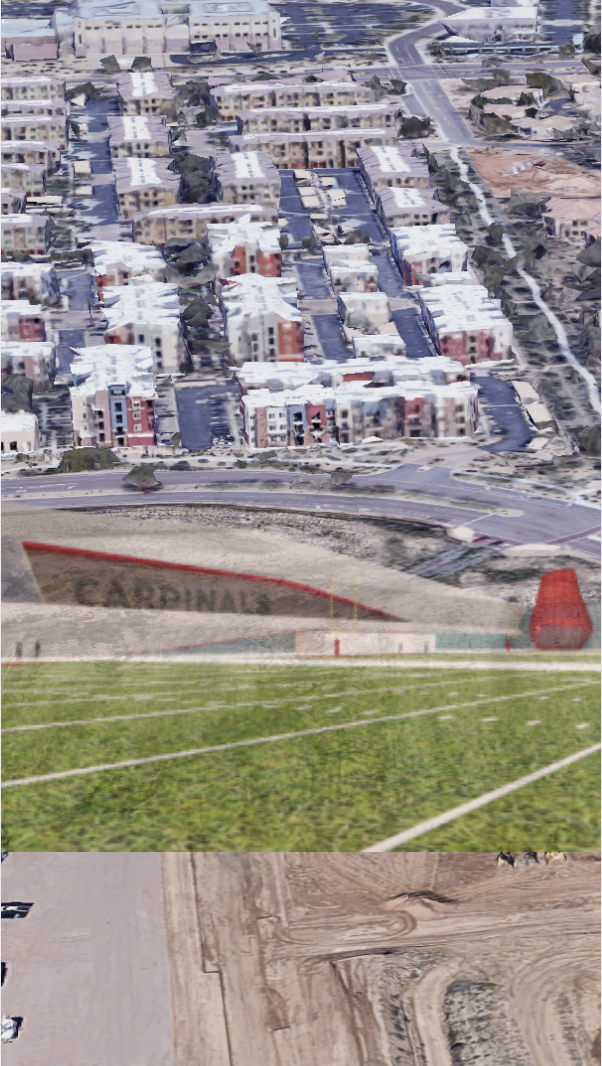 Arizona Cardinals’ $136 Million “Headquarters Alley” Project: How a 217-Acre Deal Will Redefine North Phoenix by 2028
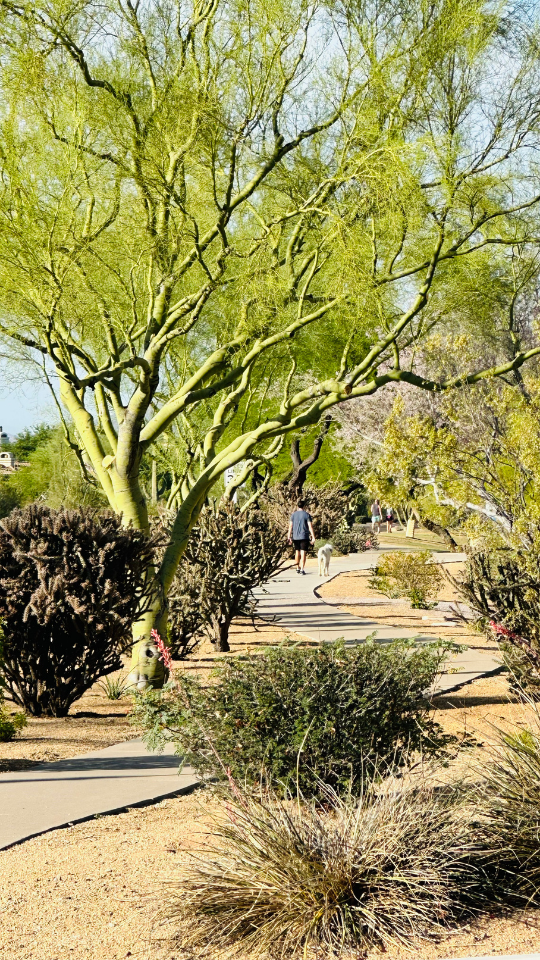 Public Safety as an Asset Class: The New Scottsdale AdvantageIn today’s Smart City economy, safety isn’t simply about peace of mind—it’s becoming a measurable, marketable asset class. Scottsdale is proving that public safety can be engineered into the fabric of
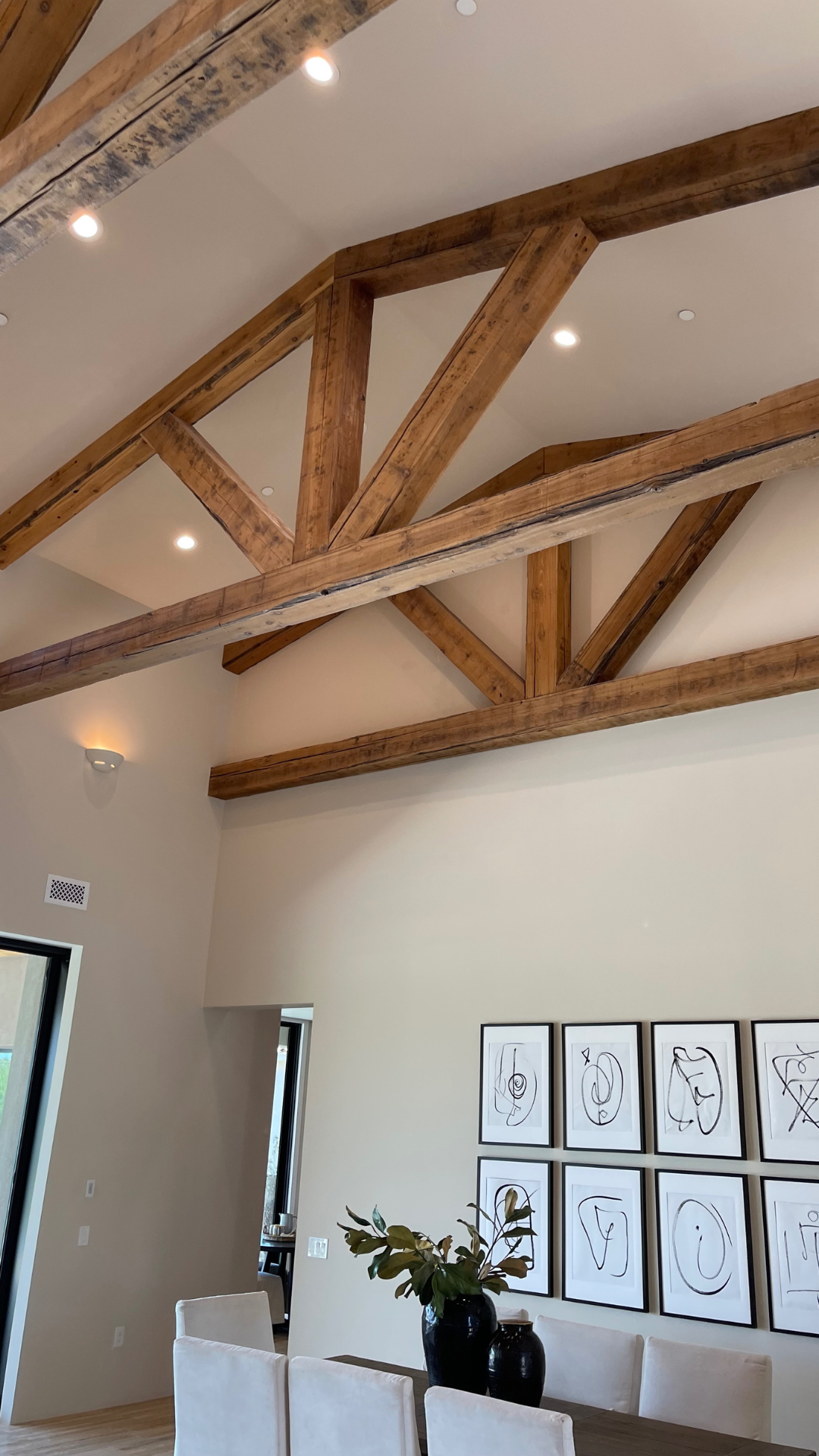 Desert-Optimized Ceiling Profiles: Designing with sculpted plaster vaults, trusses, or tongue-and-groove woodwork to echo monsoon skiesAcross desert cities, ceiling design is undergoing a fascinating transformation—moving beyond functional shelter into a canvas for cultural storytelling and climate-conscious living. In places like
  Scottsdale, Chandler, Gilbert, and Peoria all landed within the top 10 U.S. metros—celebrated for rental affordability, job access, lifestyle quality, and even renter protectionsArizona’s East Valley has quietly emerged as a standout for renters, with Scottsdale, Chandler, Gilbert, and Peoria all landing among the top 10 U.S. metro areas in WalletHub’s 2025 “Best & Worst
 Nice to meet you! I’m Katrina Golikova, and I believe you landed here for a reason.
I help my clients to reach their real estate goals through thriving creative solutions and love to share my knowledge.