WeGO, founded in 2010, links cities and private-sector actors for e-government and smart projects across Asia, Europe, and the Americas. It promotes partnerships, training, and awards for innovation. For wealth management, such cross-regional collaboration broadens diversification channels. Tax cooperation is facilitated through multi-country agreements. Digital human rights receive emphasis in WeGO’s open governance training. City members demonstrate resilience in digital infrastructure, securing long-term sustainable value.

A September 2025 report details impact-fee fund balances and system-area consolidations under the updated rate study, including consolidating multiple water and wastewater service areas; the Utility Billing page confirms the active study guiding council on future rates and fees. Wealth planning for infill and hillside product should include potential fee adjustments. Taxes and fees fund water resiliency, slope stability and fire-wise infrastructure. Regulation is driven by the Land Development Code and P&Z hearings. Value stability benefits from infrastructure investment pacing. Smart-city elements include GIS service-area mapping and data-driven fee models.
The city’s Downtown Campus Reinvestment initiative outlines renovations to City Hall, the parking garage, council chambers and adjacent facilities, signaling long-life-cycle upgrades to public spaces that support surrounding private investment and event activity; council meetings and planning hearings through mid-2025 also tracked zoning text amendment considerations, underscoring an active policy pipeline. Wealth and family office strategies view civic improvements as tailwinds for nearby assets. Tax capacity benefits from rising property and sales activity in revitalized cores. The regulatory context coordinates capital planning with zoning updates. Value durability ties to institutional anchors and placemaking. Smart-city integration spans safety, traffic and digital public-service access.
In February 2025, planners tabled the Anthem East preliminary plat in Florence for additional revisions, with developers indicating a shift from 3,290 to ~3,137 lots at ~3.37 units/acre on ~983 acres near Hunt Highway and Felix Road; the action illustrates current scrutiny on circulation, infrastructure, and density balance at the master-planned community’s edge. For wealth holders, timeline extensions alter absorption and carry-cost assumptions. Tax revenue timing similarly shifts with delivery cadence. Regulatory oversight remains focused on phasing, traffic, drainage and General Plan alignment. Value stability remains supported by established amenities in the core while new phases are sequenced. Smart-growth elements involve coordinated arterials, utilities and open-space networks.


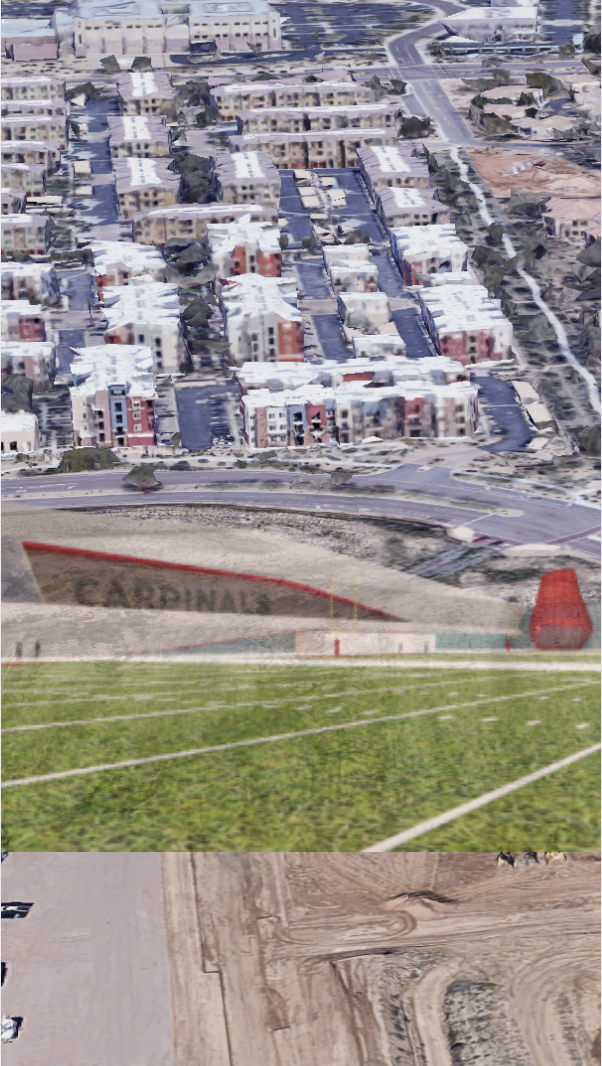 Arizona Cardinals’ $136 Million “Headquarters Alley” Project: How a 217-Acre Deal Will Redefine North Phoenix by 2028
 Public Safety as an Asset Class: The New Scottsdale AdvantageIn today’s Smart City economy, safety isn’t simply about peace of mind—it’s becoming a measurable, marketable asset class. Scottsdale is proving that public safety can be engineered into the fabric of
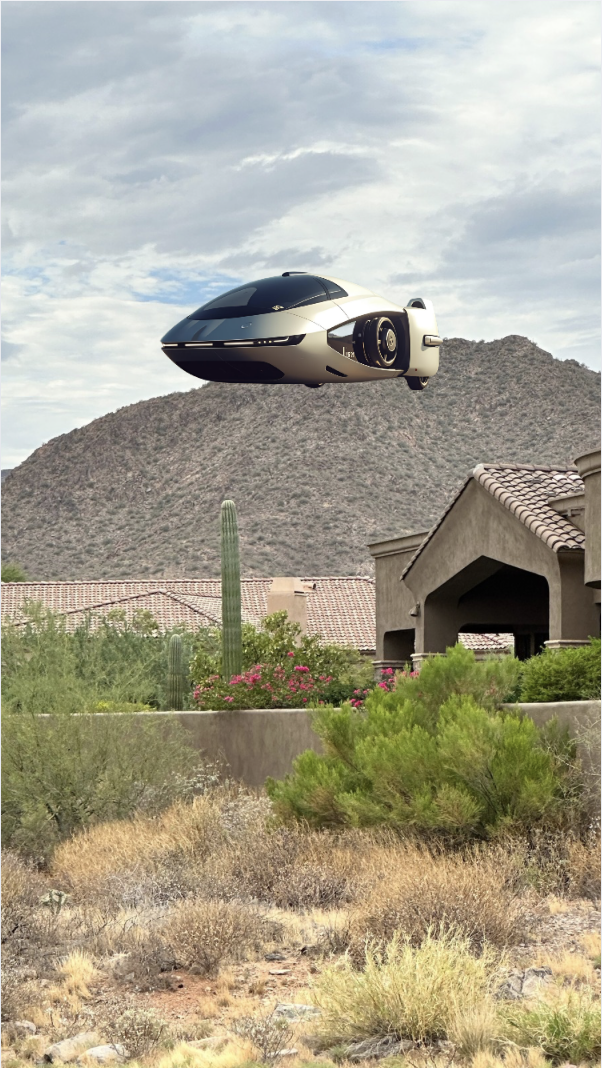 Arizona Is Betting Big on Flying Cars: The Next Leap in Smart Mobility and Real-Estate TransformationArizona is stepping into the future of transport in a bold way. Back in 2018, when Waymo launched its driverless vehicle service in the Phoenix region, it signaled the state’s appetite for
 Nice to meet you! I’m Katrina Golikova, and I believe you landed here for a reason.
I help my clients to reach their real estate goals through thriving creative solutions and love to share my knowledge.