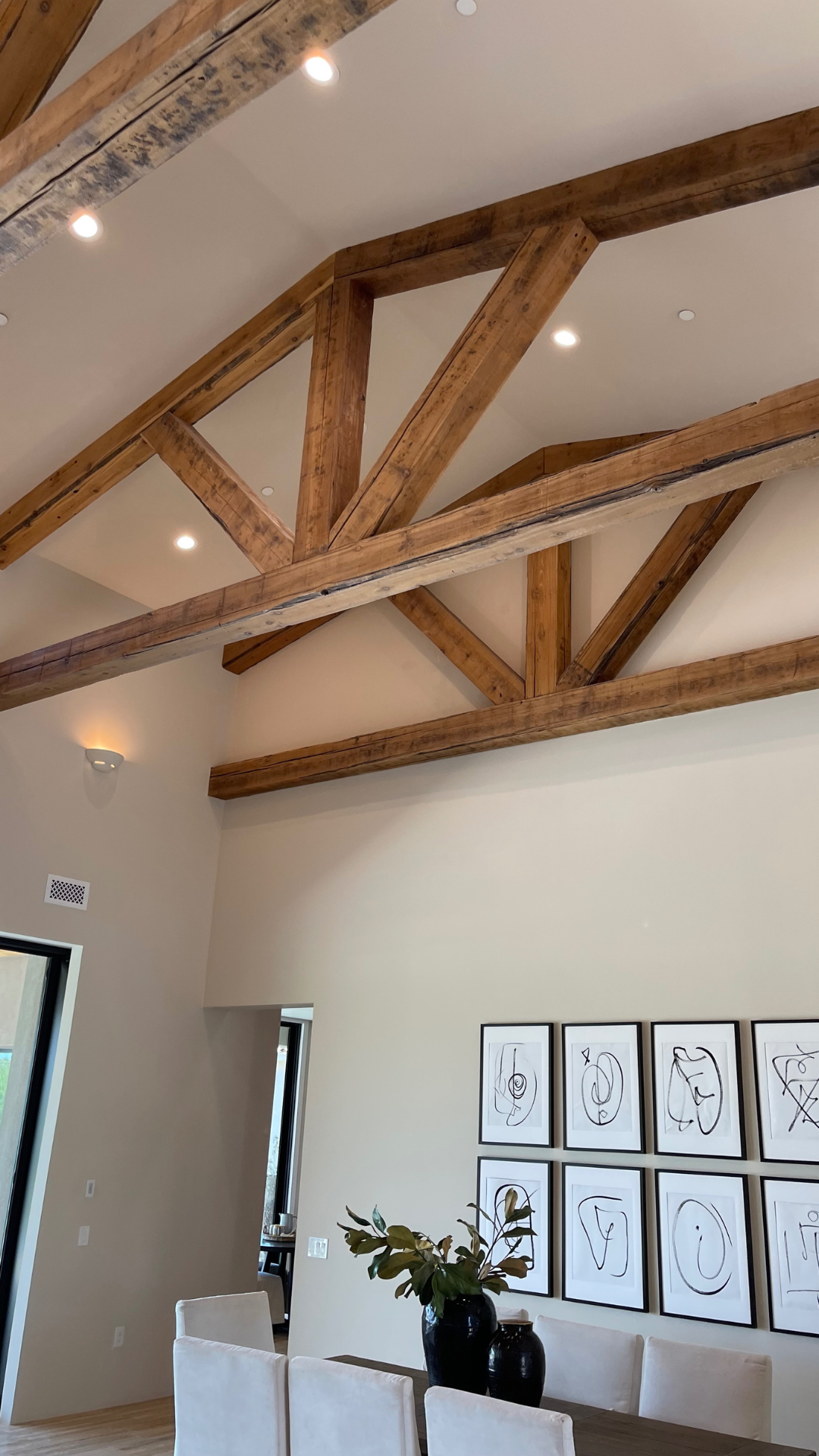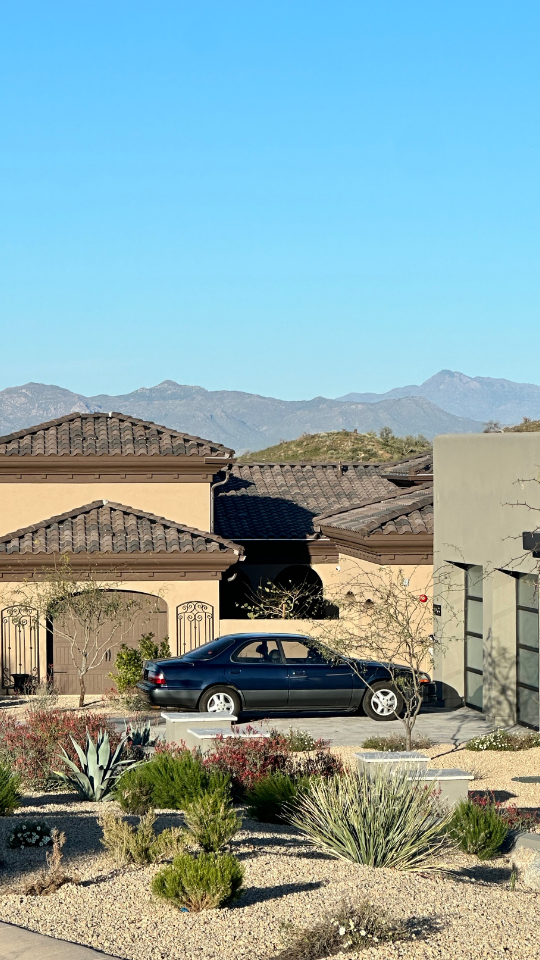
AZ Business Magazine reports a new phase for Verde River Golf & Social Club, adding 200 luxury homes and upgraded clubhouse amenities. Luxury second-home demand rose 8% in the region. Wealth advisors note long-term capital growth potential. Property taxes for resort communities support local infrastructure. Homeowners’ associations enforce sustainable water usage and native landscaping.

Phoenix has recently seen residential development edge ahead of population growth, especially driven by multifamily projects between 2022 and 2024. However, that momentum is already softening, and analysts predict population growth will again outstrip housing supply by 2026. This brief balance offers some breathing room for affordability, but persistent high mortgage rates continue to constrain buyer activity. For investors, such interludes can moderate risk, though structural fundamentals (land availability, infrastructure costs) retain outsized influence. Policymakers may point to this data in legislative debates over housing incentives or zoning flexibility, while sustainability goals must reconcile densification with water and energy constraints.
In the Phoenix region, more home sellers are withdrawing listings than in any other U.S. metro, in part due to pricing mismatches, interest rate headwinds, and buyer caution. That rate of delisting is nearly double the national average. Many homes that remain active also endure longer days on market and more price reductions than in past cycles. For wealth portfolios, this trend suggests heightened liquidity risk in residential holdings. From a regulatory angle, local councils may revisit incentives or “time-to-sale” standards. In terms of long-term positioning, neighborhoods with stronger fundamentals (location, transit access, services) should retain relative value under this pressure.
In April 2025, nearly half of Phoenix’s listings had stagnated, held on the market beyond 60 days without going under contract. Median listing duration in May reached 58 days, exceeding the U.S. average of 50 days. This higher “staleness” reflects slack demand or pricing mismatch. For investors and homeowners, it raises expectations of negotiation room. On the municipal side, slower turnover can dampen property tax growth. From a value stability lens, assets in high-amenity or infill locations are more insulated; peripheral or speculative product is more exposed.
The renovation plan will cover core infrastructure upgrades: air-conditioning, roof systems, structural repairs, and modernization. The financing structure relies on long-term sales tax revenue from stadium-area activity over 30 years. The move aims to keep the team in Phoenix past current lease expiry (2027) and catalyze downtown revitalization. For adjacent real estate, improved amenity, foot traffic, and confidence in permanence may yield spillover benefits. On tax policy, the match-plus-capture model offers one template for anchoring public-private urban assets. In portfolio terms, stakes in nearby blocks may gain relative arbitrage. From a resilience standpoint, modern systems may reduce energy loads and support year-round usage.
Scottsdale continues to draw affluent buyers to masterplanned communities such as Storyrock, Silverstone, and Sereno Canyon, with 2025 Q2 permit activity up 7% compared to the prior year, per Scottsdale city data. New projects integrate advanced home automation, EV-ready infrastructure, and reclaimed water irrigation as standard. For UHNWIs, these features add value by supporting ESG mandates and enabling favorable insurance underwriting.
Axios coverage documented “Brickyards on Ellsworth,” an eight-building, ~900,000-sf park breaking ground near Ellsworth and Willis with Phase 1 targeting 2025 completion, and earlier pieces noted multi-million-sf parks in the Pecos Advanced Manufacturing Zone. The Gateway submarket remains among the nation’s most active industrial nodes, leveraging post-AFB land and rail plans. Wealth portfolios gain from diversified industrial tenancy and long-run regional growth. Tax receipts grow through payroll and property valuation. Regulatory frameworks protect airfield operations by limiting residential encroachment. Value stability is supported by employer clustering. Smart-city aspects include freight mobility, utility upgrades, and rail spur planning.
Phoenix’s staff report for case Z-29-25-7 describes a PUD placing retail, entertainment, and multi-story residential within the Laveen Village Core adjacent to the Loop 202 South Mountain Freeway, aligning with PlanPHX 2025’s direction to concentrate intensity in cores and leverage transportation capacity. The document emphasizes façade treatments reflecting agrarian character and places the most intense uses near mobility assets to balance village character and demand. Historic village guidance calls for cores that mix employment, housing, and retail with pedestrian focus. ADOT and MAG studies have long anticipated infill around Loop 202. From a wealth-management lens, core-area entitlements reduce timing risk and improve leasing depth. Tax impacts rise with mixed-use valuation and sales capture. Regulatory context centers on PUD standards and compatibility findings. Value stability typically favors transit-proximate cores. Smart-city themes include multimodal access, heat mitigation, and utility coordination.


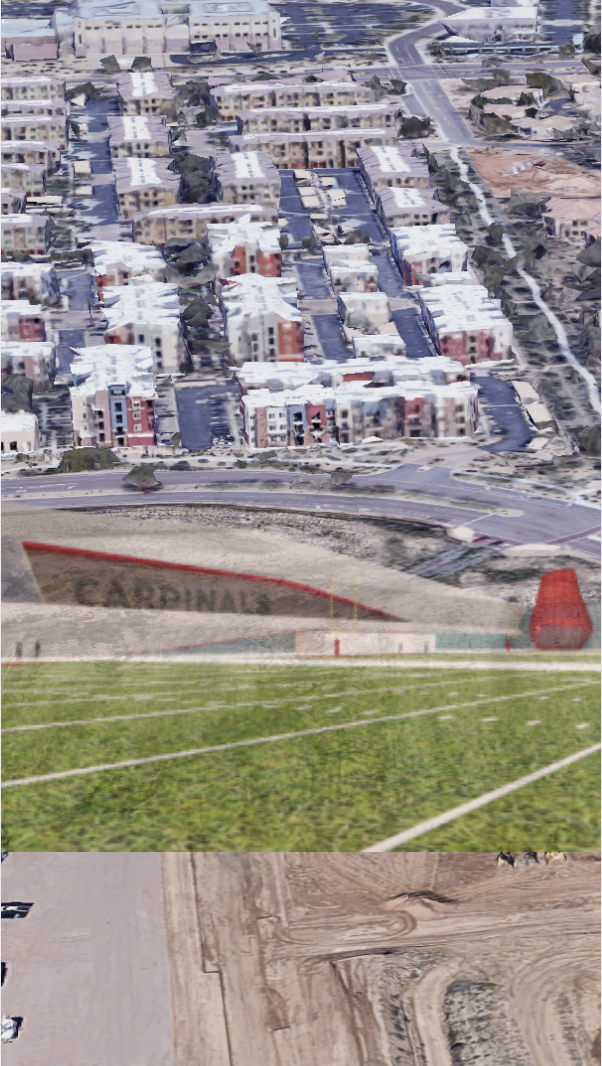 Arizona Cardinals’ $136 Million “Headquarters Alley” Project: How a 217-Acre Deal Will Redefine North Phoenix by 2028
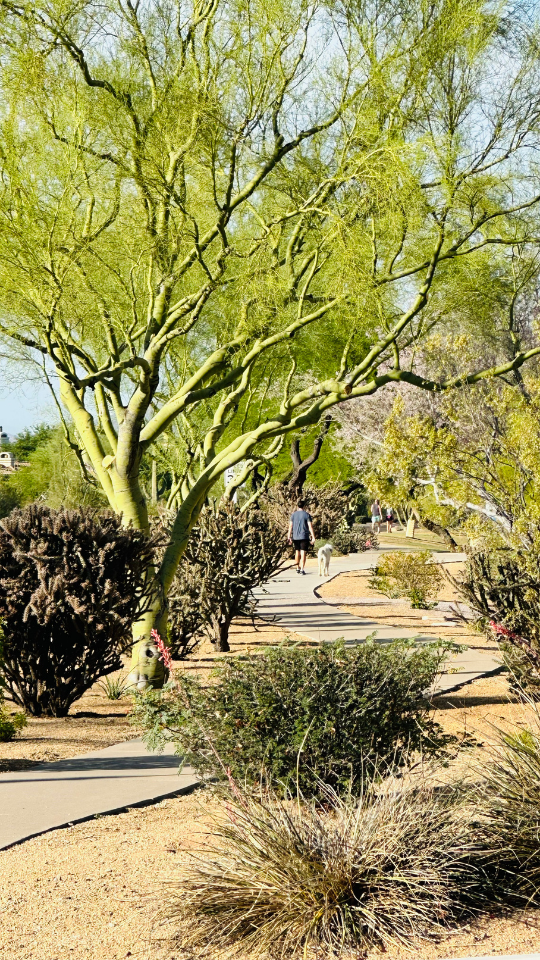 Public Safety as an Asset Class: The New Scottsdale AdvantageIn today’s Smart City economy, safety isn’t simply about peace of mind—it’s becoming a measurable, marketable asset class. Scottsdale is proving that public safety can be engineered into the fabric of
 A Force of Nature: Dust Storms and Monsoon Dynamics in PhoenixThis year’s North American Monsoon—officially running from June 15 to September 30—has brought a powerful return of nature’s desert drama to Phoenix, blending relief and disruption in
 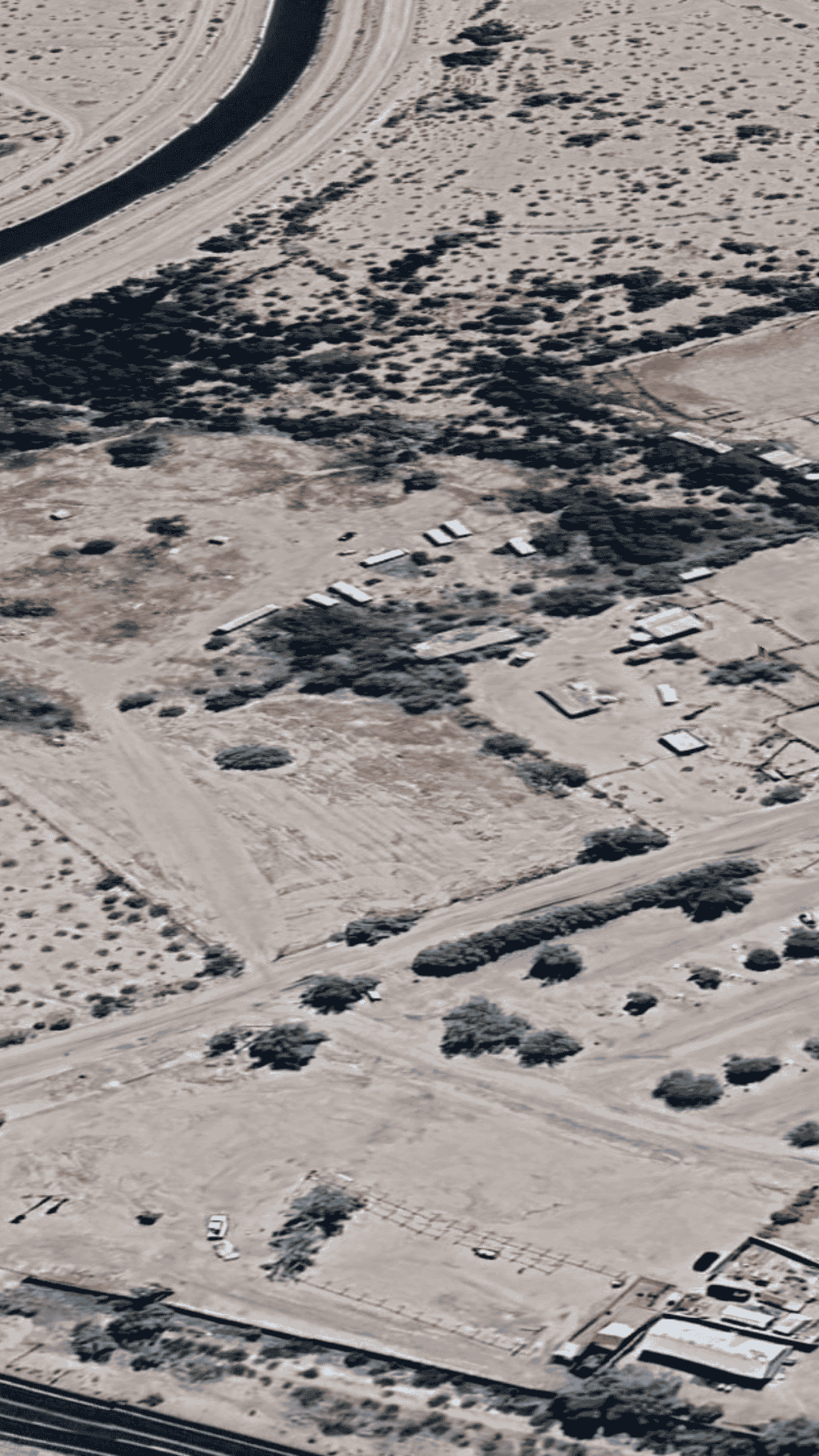 John Wayne’s Former Arizona Ranch: How a 1,000-Acre Land Sale is Shaping the Future of Maricopa’s Smart GrowthIn late 2025, news broke that nearly 1,000 acres of land once part of John Wayne’s Arizona holdings have been sold to developers. What had been the historic “Red River Ranch” is now being eyed for a
 Nice to meet you! I’m Katrina Golikova, and I believe you landed here for a reason.
I help my clients to reach their real estate goals through thriving creative solutions and love to share my knowledge.