Recent data from the Phoenix Planning and Development Department shows a 7% year-over-year increase in new single-family building permits issued across the Phoenix metropolitan area as of July 2025, with more than 18,000 permits year-to-date. This surge reflects sustained builder confidence, particularly in communities such as Eastmark (Mesa, DMB Associates), Vistancia (Peoria, Shea Homes), and Asante (Surprise, Lennar), where infrastructure investment is prominent. From a wealth management perspective, increased inventory may temper price escalation, influencing portfolio rebalancing and real estate trust strategies. Arizona’s property tax policy remains favorable for primary residences, although higher supply can moderate assessed value growth. No new restrictive legislation is pending, supporting future-proof stability. Smart-city features—such as solar-ready designs and reclaimed water landscaping—are increasingly standard in these communities.

Timber Sky, Flagstaff’s largest MPC in current development, has secured entitlements for its next phase, which balances luxury custom lots with 120 units of deed-restricted workforce housing. This project is a model for Northern Arizona’s new density and dark-sky ordinances, integrating low-impact LED lighting and natural-terrain preservation. Wealth managers note that Flagstaff’s market remains resilient due to limited private land availability and high climate-driven demand. Tax assessments in Coconino County are expected to adjust as these new units reach occupancy, but Arizona’s 3% cap proposal—if passed—will offer long-term stability for primary residents. The development also includes a "smart transit" link to downtown Flagstaff, reducing car dependency.
Glendale’s council approved a $1.46 billion FY25-26 budget with a $710 million operating component and a $478 million capital plan emphasizing technology, water, traffic and public-safety investments; in parallel, ballot measures concerning a 10-acre component of the 66-acre VAI Resort went to a May 2025 special election after a citizen petition, highlighting community scrutiny over open-space zoning conversions. For wealth strategies, modernized infrastructure underpins long-term asset performance. Tax capacity grows with major hospitality activation. The regulatory story shows referendum risk in mega-projects. Value stability hinges on execution and visitor demand capture. Smart-city benefits include traffic management and event-district systems integration.
Paradise Valley and North Scottsdale continue to command Arizona’s highest price points, with the top decile of listings surpassing $6.8 million as of Q2 2025 (Redfin, ARMLS). The luxury segment’s average days on market is 62—faster than historical norms for this cohort—indicating ongoing appetite among cash and trust-driven buyers. Wealth managers benefit from sustained asset appreciation in these enclaves, while Proposition 117’s tax cap continues to limit abrupt tax bill surges for primary residences. Zoning changes (e.g., for larger lots and amenities) and insurance cost recalibrations are active themes, as fire and climate risk premiums rise. Many new builds in these zones achieve LEED or Energy Star status, contributing to long-term value resilience.
Casa Grande continues to benefit from TSMC’s supplier cluster expansion and electric vehicle supply chain investments, while Buckeye saw a 19.5% increase in industrial permits YOY. CoStar data shows industrial vacancy in Greater Phoenix West at 4.2%, down from 6.7% one year ago. These cities offer strategic tax-advantaged industrial corridors under Arizona Commerce Authority incentive overlays. From a macro-financial perspective, long-duration infrastructure investments here—especially in logistics parks—provide balance sheet insulation against cyclical retail risk. Casa Grande’s long-range water planning approval enhances sustainability credibility for institutional investors.
On June 24, 2025, Maricopa County Board of Supervisors adopted a zoning amendment streamlining approvals for mixed-use and high-density multifamily developments within transit corridors, notably along Central Phoenix, Tempe, and Mesa. The regulatory change reduces conditional use permit timelines by up to 40 days and introduces density bonuses for incorporating renewable energy or affordable units. This framework increases certainty for institutional portfolios and may lead to more favorable property tax assessments for transit-aligned assets. Future-proofing is enhanced by mandatory fiber-optic and EV infrastructure in all new developments under this ordinance.
According to recent Realtor.com and Axios research, homes in Phoenix and Scottsdale with premium pools and luxury amenities continue to command a 12–18% price premium over comparable non-amenitized properties as of mid-2025. This premium is particularly pronounced in gated and master-planned communities. For wealth managers, such amenities bolster asset appreciation and exit liquidity but may influence insurance costs and property tax appraisals. Local ordinances increasingly require energy-efficient pool systems and low-chlorine technology, aligning luxury housing stock with both regulatory requirements and sustainability best practices. Smart-home integration is also cited as a value driver in current market studies.
In Q2 2025, Scottsdale’s permit portal shows a marked increase in active cases for mixed-use and multifamily developments, particularly in the Old Town and North Scottsdale corridors. The city’s online tracker highlights over 40 active rezonings and site plan reviews, reflecting strong developer confidence in sustained population growth and premium rental demand. This development surge is significant for wealth management, as it offers diversified asset classes within a high-barrier-to-entry market. Tax assessment models are evolving to account for higher-density improvements. From a legislative perspective, Scottsdale is aligning with new state-level housing density mandates while maintaining its Green Building Program standards. These projects often include renewable energy components and smart infrastructure, enhancing long-run durability.


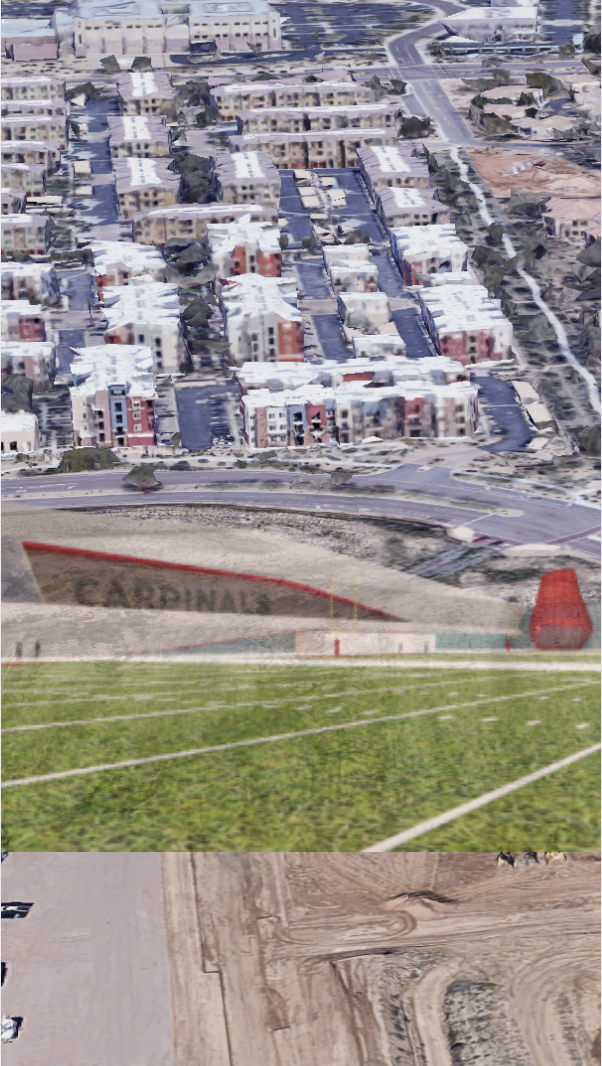 Arizona Cardinals’ $136 Million “Headquarters Alley” Project: How a 217-Acre Deal Will Redefine North Phoenix by 2028
 Public Safety as an Asset Class: The New Scottsdale AdvantageIn today’s Smart City economy, safety isn’t simply about peace of mind—it’s becoming a measurable, marketable asset class. Scottsdale is proving that public safety can be engineered into the fabric of
Nice to meet you! I’m Katrina Golikova, and I believe you landed here for a reason.
I help my clients to reach their real estate goals through thriving creative solutions and love to share my knowledge.