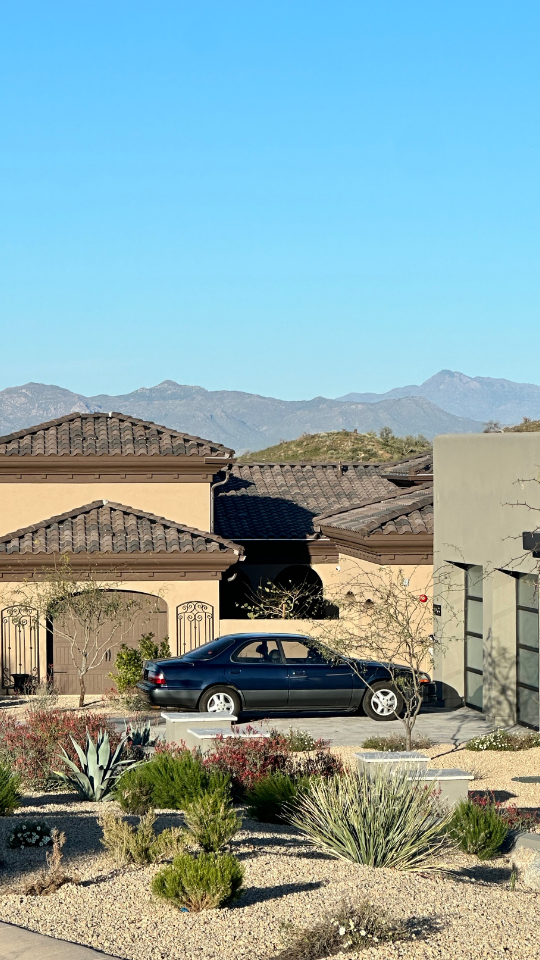
Recent data from the Phoenix Planning and Development Department shows a 7% year-over-year increase in new single-family building permits issued across the Phoenix metropolitan area as of July 2025, with more than 18,000 permits year-to-date. This surge reflects sustained builder confidence, particularly in communities such as Eastmark (Mesa, DMB Associates), Vistancia (Peoria, Shea Homes), and Asante (Surprise, Lennar), where infrastructure investment is prominent. From a wealth management perspective, increased inventory may temper price escalation, influencing portfolio rebalancing and real estate trust strategies. Arizona’s property tax policy remains favorable for primary residences, although higher supply can moderate assessed value growth. No new restrictive legislation is pending, supporting future-proof stability. Smart-city features—such as solar-ready designs and reclaimed water landscaping—are increasingly standard in these communities.

According to recent Realtor.com and Axios research, homes in Phoenix and Scottsdale with premium pools and luxury amenities continue to command a 12–18% price premium over comparable non-amenitized properties as of mid-2025. This premium is particularly pronounced in gated and master-planned communities. For wealth managers, such amenities bolster asset appreciation and exit liquidity but may influence insurance costs and property tax appraisals. Local ordinances increasingly require energy-efficient pool systems and low-chlorine technology, aligning luxury housing stock with both regulatory requirements and sustainability best practices. Smart-home integration is also cited as a value driver in current market studies.
As of May 2025, median home prices in the Phoenix metro area remain stable despite a 9% year-over-year decline in closed sales, with the ARMLS STAT report showing a median price just under $470,000. Inventory levels have risen modestly, with active listings up 11% compared to this time last year, and average days on market trending above 52 days. While this environment signals less liquidity for immediate sellers, long-term wealth management remains supported by persistent in-migration and a low rate of distressed sales. On the tax front, stable valuations help avoid sudden property tax escalations for existing owners. New state legislation (HB2110/2119) continues to shape disclosure and permitting obligations, sustaining regulatory clarity for buyers and fiduciaries. The region’s value resilience is underpinned by economic diversification, and Phoenix’s expansion of smart permit portals is reducing process friction for investors.
Gilbert’s Planning Department has approved several new medical and wellness facilities, totaling over 350,000 square feet. These projects are strategically located near major masterplanned communities, enhancing residents' access to top-tier healthcare. From a wealth management perspective, proximity to high-quality healthcare is a major value driver for residential real estate. Gilbert’s tax environment remains favorable, and city policies support the expansion of medical services through streamlined permitting and infrastructure support.
Surprise and Peoria are seeing increased permit activity in age-restricted masterplans, with communities like Sterling Grove and Vistancia leading the submarket. City records show a 9% rise in permit issuance for homes over 2,500 square feet, catering to the luxury-active adult segment. These developments feature high-speed digital connectivity and smart-health monitoring amenities. Tax assessments remain stable, though some newer communities have special assessment districts to fund community amenities. Regulatory focus remains on maintaining high-quality open space and recreational facilities, supporting long-term property desirability.
The Verde Reservoirs Sediment Mitigation Project (VRSMP) is a federally authorized feasibility study—mandated under the Infrastructure Investment and Jobs Act—examining alternatives to restore lost capacity in Bartlett Lake due to sediment buildup. One key design under consideration proposes raising the dam by approximately 100 feet, which could create up to 323,000 acre-feet of additional storage—roughly one year’s supply for over a million households in central Arizona. The Bureau of Reclamation issued a formal Notice of Intent to begin NEPA’s Environmental Impact Statement (EIS) process in mid‑July 2025, which will include a 30-day public scoping period and both virtual and in-person public meetings. Though not tied to a specific master planned community, the Bartlett reservoir expansion is material to master planned community underwriting in the Verde Valley and Maricopa/Pinal metro fringe. Increased storage supports central Arizona’s dependence on Verde River infill when Colorado River allocations are tight, enhancing the Assured Water Supply certification durability. Developers and municipalities in Sierra Verde, north Pinal, and East Valley areas—including Queen Creek, Rio Verde, and Florence—stand to benefit from a more resilient and long-term renewable supply, reducing reliance on nonrenewable groundwater sources.
Recent data from Multi-Housing News and local permit tracking shows Phoenix has over 22,000 multifamily units currently under construction. This surge is driven by demand for high-amenity, urban-living options that integrate smart-building tech and sustainable materials. Wealth managers highlight the income potential and tax benefits of multifamily holdings, particularly in transit-oriented development zones. The city’s updated zoning codes allow for increased density near light-rail stations, supporting a move toward more sustainable urban growth.
In July 2025, the Prescott Valley Town Council approved a series of rezoning requests for the Jasper and Granville masterplanned communities, allowing for increased density and mixed-use "Town Centers." These projects are designed to accommodate the region’s aging population with health-integrated amenities and smart-security features. Yavapai County’s low millage rate and the absence of special assessment districts in these MPCs make them highly attractive for legacy wealth transfer. Regulatory focus in Prescott Valley is shifting toward "Defensible Space" landscaping to mitigate wildfire risks, ensuring the long-term insurability of these assets. Smart-city infrastructure, including fiber-optic expansion, is a key component of the new Town Center builds.


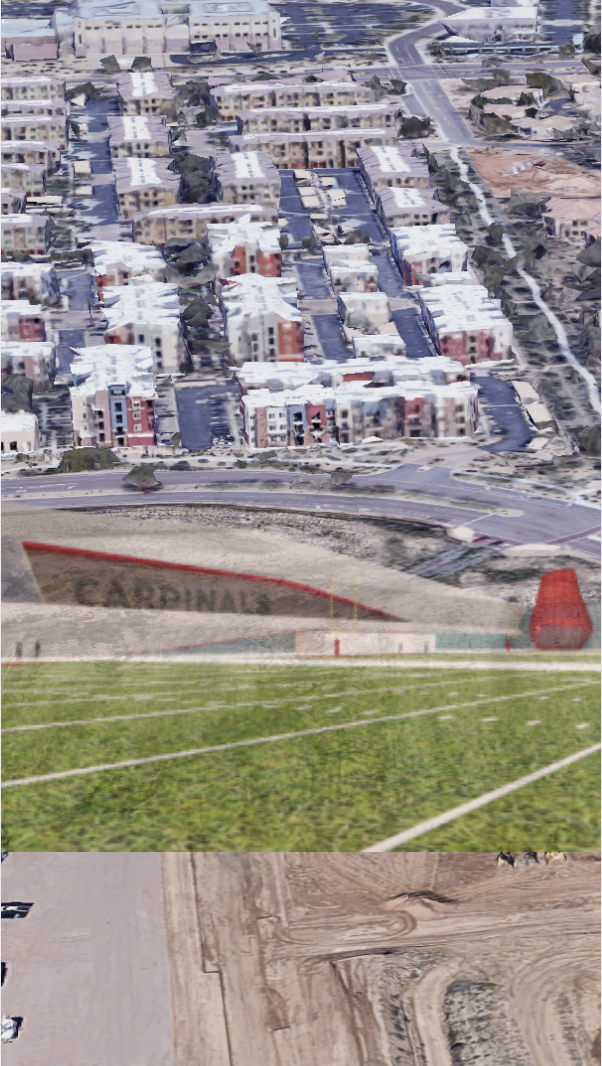 Arizona Cardinals’ $136 Million “Headquarters Alley” Project: How a 217-Acre Deal Will Redefine North Phoenix by 2028
 Public Safety as an Asset Class: The New Scottsdale AdvantageIn today’s Smart City economy, safety isn’t simply about peace of mind—it’s becoming a measurable, marketable asset class. Scottsdale is proving that public safety can be engineered into the fabric of
 A Force of Nature: Dust Storms and Monsoon Dynamics in PhoenixThis year’s North American Monsoon—officially running from June 15 to September 30—has brought a powerful return of nature’s desert drama to Phoenix, blending relief and disruption in
 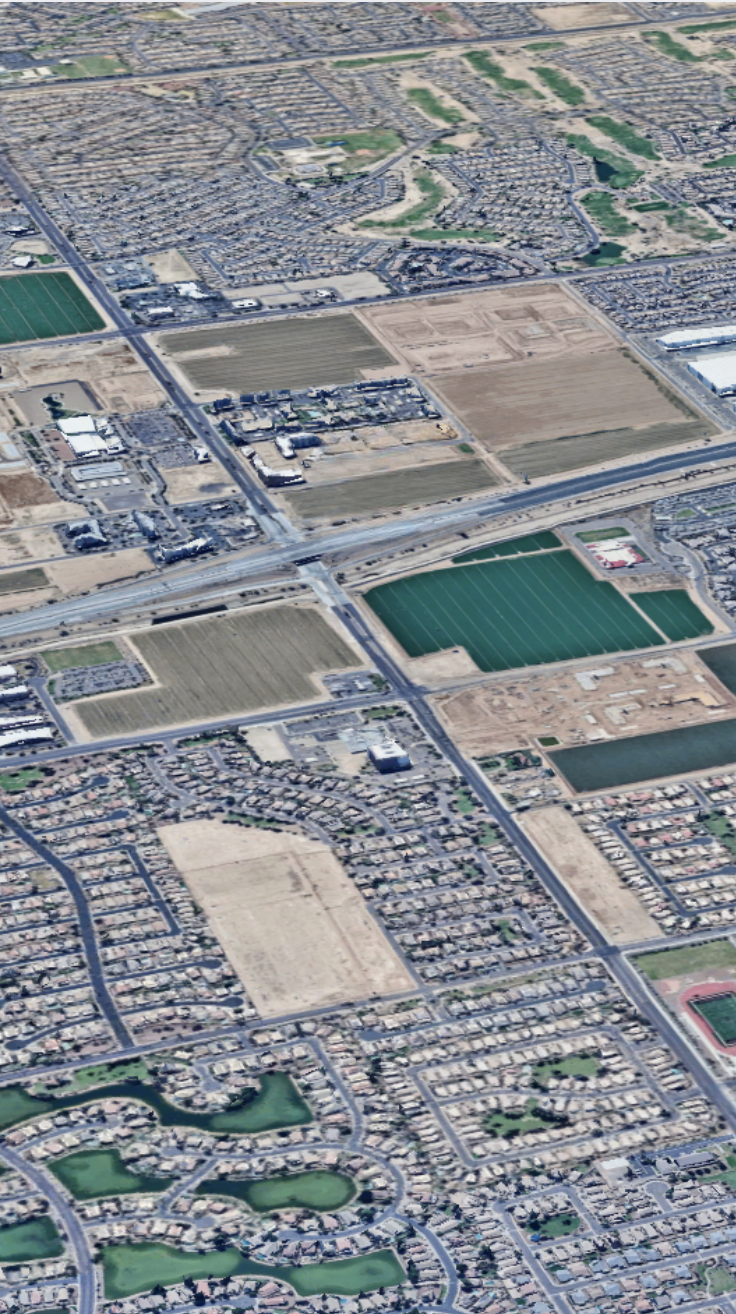 Avondale Tech Center: How the 117th Avenue & Corporate Drive Business Park Is Shaping the Future of Jobs, Housing, and Smart Growth in Arizona’s West ValleyThe 38-net-acre site at the north-west corner of Corporate Drive and 117th Avenue in Avondale, Arizona, situated just south of the Interstate 10 (I-10) and adjacent to key logistics corridors in the
 Nice to meet you! I’m Katrina Golikova, and I believe you landed here for a reason.
I help my clients to reach their real estate goals through thriving creative solutions and love to share my knowledge.