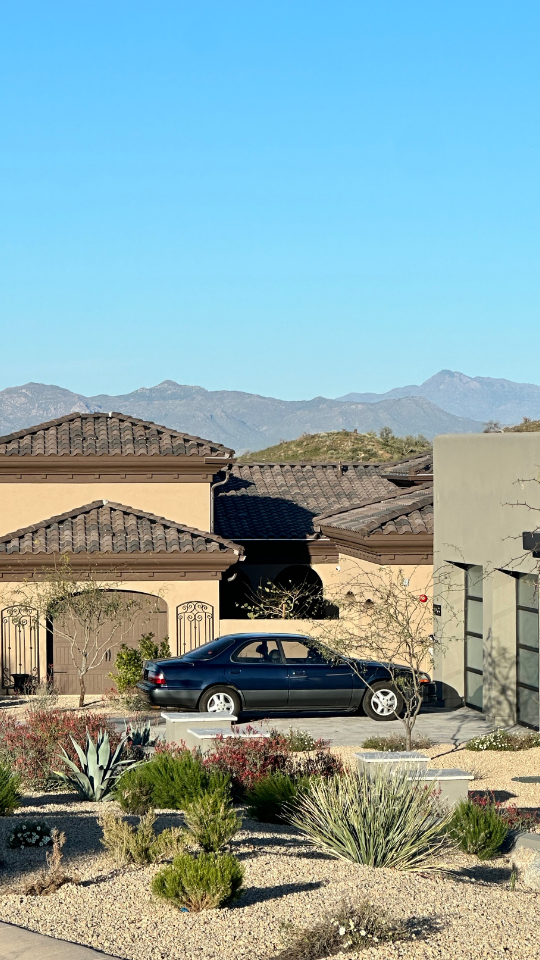
Recent data from the Phoenix Planning and Development Department shows a 7% year-over-year increase in new single-family building permits issued across the Phoenix metropolitan area as of July 2025, with more than 18,000 permits year-to-date. This surge reflects sustained builder confidence, particularly in communities such as Eastmark (Mesa, DMB Associates), Vistancia (Peoria, Shea Homes), and Asante (Surprise, Lennar), where infrastructure investment is prominent. From a wealth management perspective, increased inventory may temper price escalation, influencing portfolio rebalancing and real estate trust strategies. Arizona’s property tax policy remains favorable for primary residences, although higher supply can moderate assessed value growth. No new restrictive legislation is pending, supporting future-proof stability. Smart-city features—such as solar-ready designs and reclaimed water landscaping—are increasingly standard in these communities.

Active listings in Phoenix have surged 47% year-over‑year to approximately 26,580 homes as of June 1, 2025, while pending sales fell 8.4% and closed sales dropped 6.6%, resulting in a Cromford® Market Index of 73—indicating a buyer’s market dominated by oversupply and cooling demand. Median sales price has held steady at $455,000 (+1.1% YoY), with average price per square foot edging up 0.8% to $300. For wealth management, this stabilizes entry-point asset valuations; tax assessments remain stable, softening owner exposure. Legislative context: mortgage rates near 7% continue to suppress turnover, highlighting resilience but also pointing to a need for fiscal prudence. From a value-stability perspective, the large inventory buffers market shocks, and the notable shift toward “value-add” renovations underscores future-proof strategies. Smart-city initiatives—including Cool Pavement and expanded light-rail—enhance long-term community desirability.
The Assured Water Supply (AAWS) Program requires a 100-year water demonstration in Arizona’s Active Management Areas, shaping subdivision approvals and designations. ADWR’s Phoenix AMA groundwater-supply updates emphasize long-run physical availability constraints and the role of designated municipal providers. The Post-2025 AMAs Committee is outlining strategies as the fifth management period ends in 2025. The agency confirms September 26, 2025 as the general effective date for non-emergency 2025 legislation, including SB1611’s Agriculture-to-Urban credit pathway. The Ag-to-Urban program provides a structured credit mechanism intended to facilitate growth while protecting groundwater. For wealth managers, water due diligence remains central to underwriting edge-growth projects. Property-tax assumptions should incorporate potential timing differences between entitlements and deliveries. Legislative attention to subsequent AMA procedures adds governance clarity for basin management. Value stability is stronger where providers hold Designations of Assured Water Supply reviewed on rolling 15-year cycles. Smart-city and conservation dashboards improve transparency of AMA water-use projections.
An August 5, 2025 city economic-development update summarized active projects with a projected ~500 jobs over three to five years, aligning with the broader Copperwing/Northern Parkway industrial arc; prior completions include a ±217,000-sf speculative warehouse, and earlier announcements flagged EV-readiness and logistics features in new buildings. The city posts budget and fee schedules for FY24-25 and proposed changes for FY25-26, aiding modeling of soft costs. Tax outcomes should rise as payroll and property valuations expand. Regulators coordinate CDBG trail improvements and mobility links. Value stability correlates with employer clustering. Smart-city themes include EV charging, LED lighting standards, and digital permitting.
Redfin’s Phoenix market page shows 69% of Phoenix buyers searching within metro and the largest inbound feeder metros including Chicago, Seattle, and Los Angeles in June–August 2025. Nationwide, 29% of homebuyers searched to move to a different metro over that window, sustaining cross-market interest. Local media summarized Redfin findings placing Phoenix near the top of U.S. relocation destinations mid-2025. Arizona recorded 149,000 job openings in June 2025 (4.4% openings rate), evidencing ongoing labor demand despite cooling trends. Earlier in spring, openings were higher at 170,000, indicating some deceleration since March. The Arizona Commerce Authority reported record FY2025 results, surpassing jobs, wages, and capital investment goals statewide. For wealth planning, migration and employment breadth underpin rental demand and resale liquidity. Tax planning aligns with relative affordability spreads versus coastal metros. Legislatively, workforce and housing initiatives shape allocation choices. Value stability improves in job-dense submarkets near transit and universities. Smart-city investments in mobility and digital infrastructure attract relocators and support long-run absorption.
Scottsdale mandates short-term rental licenses and compliance with notification and health-and-safety standards, with an online portal and reporting tools. Paradise Valley requires STR permits, ADOR registration/TPT licensing, emergency contacts, and compliance with local noise/parking rules; the town notes changes for long-term rentals’ TPT beginning January 1, 2025. Arizona’s SB1168 authorizes municipalities to require local STR permits and impose civil penalties for non-compliance, standardizing enforcement latitude. For wealth management, licensing clarity and insurance requirements affect risk control and yield assumptions for STR-exposed assets. Tax relevance is two-fold: local STR licensing/fees and, separately, the cessation of city TPT on long-term rentals from 2025, which lowers expense ratios for conventional leasing models. Regulatory stability strengthens underwriting confidence when operators adhere to neighbor-notification and safety provisions. Value stability improves where operators select assets with proper parking, egress, and life-safety retrofits. Smart-city complaint portals and data dashboards enhance compliance transparency.
Foreclosure and serious delinquency rates across Maricopa and Pinal counties are near historic lows, with ATTOM reporting foreclosure starts at 0.09% of housing stock in 2025. Wealth preservation is bolstered by low distressed sales, minimizing adverse price discovery events. Tax lien sales remain niche, with most municipalities reporting high redemption rates, and recent state statutes reinforce owner protections in redemption windows. Regulatory updates from the Arizona Department of Real Estate highlight ongoing oversight of investor bulk purchases and HOA lien actions, limiting risk to legacy property holders. Market analysts view this as a signal of broad stability, and with institutional-grade due diligence, distressed assets represent only a minor share of current smart-city redevelopment opportunities.
In May 2025, Scottsdale and Paradise Valley updated their local zoning codes to allow for more high-end mixed-use developments, particularly in the North Scottsdale and Scottsdale Road corridors. These reforms aim to integrate luxury residential with upscale retail and medical services, catering to an aging but affluent demographic. For wealth managers, this opens new avenues for boutique real estate investments and estate planning structures centered on multi-use assets. Tax assessments in these newly rezoned areas may adjust as projects reach completion, though current property tax caps offer some protection for primary residents. Legislative updates also include incentives for "Solar-Ready" and "Smart-Meter" integration in all new commercial-residential projects. Future-proofing efforts in these districts include expanded public Wi-Fi and automated traffic flow systems, enhancing the prestige and functionality of these luxury nodes.


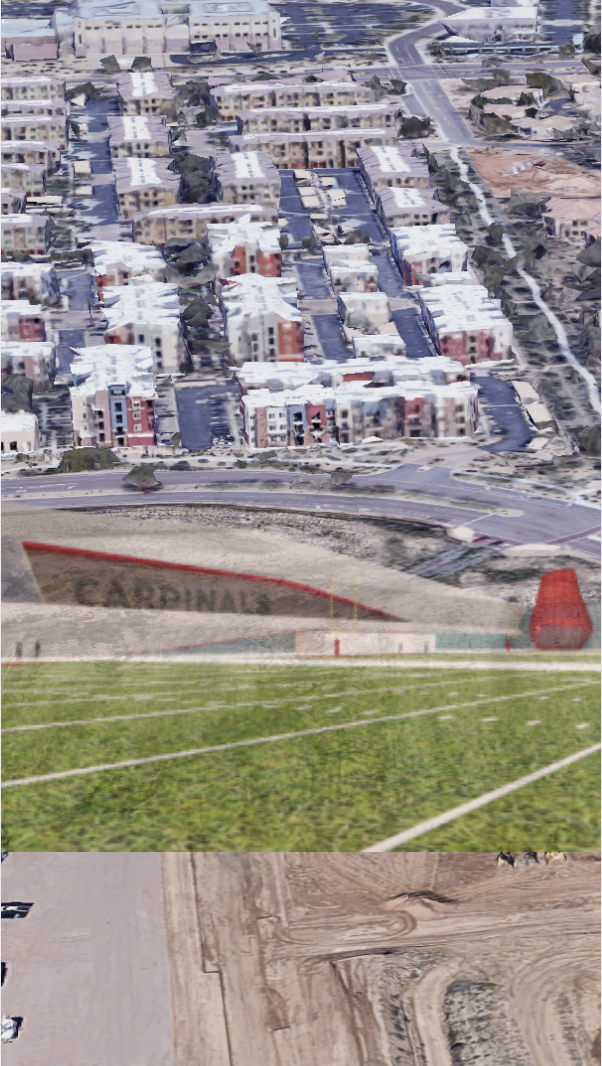 Arizona Cardinals’ $136 Million “Headquarters Alley” Project: How a 217-Acre Deal Will Redefine North Phoenix by 2028
 Public Safety as an Asset Class: The New Scottsdale AdvantageIn today’s Smart City economy, safety isn’t simply about peace of mind—it’s becoming a measurable, marketable asset class. Scottsdale is proving that public safety can be engineered into the fabric of
 How Masterplanned Communities Incorporate Child Safety FeaturesIn today’s era of rapid urban expansion, one of the most pressing conversations in housing is how masterplanned communities are designed with child safety at their core. With families representing
 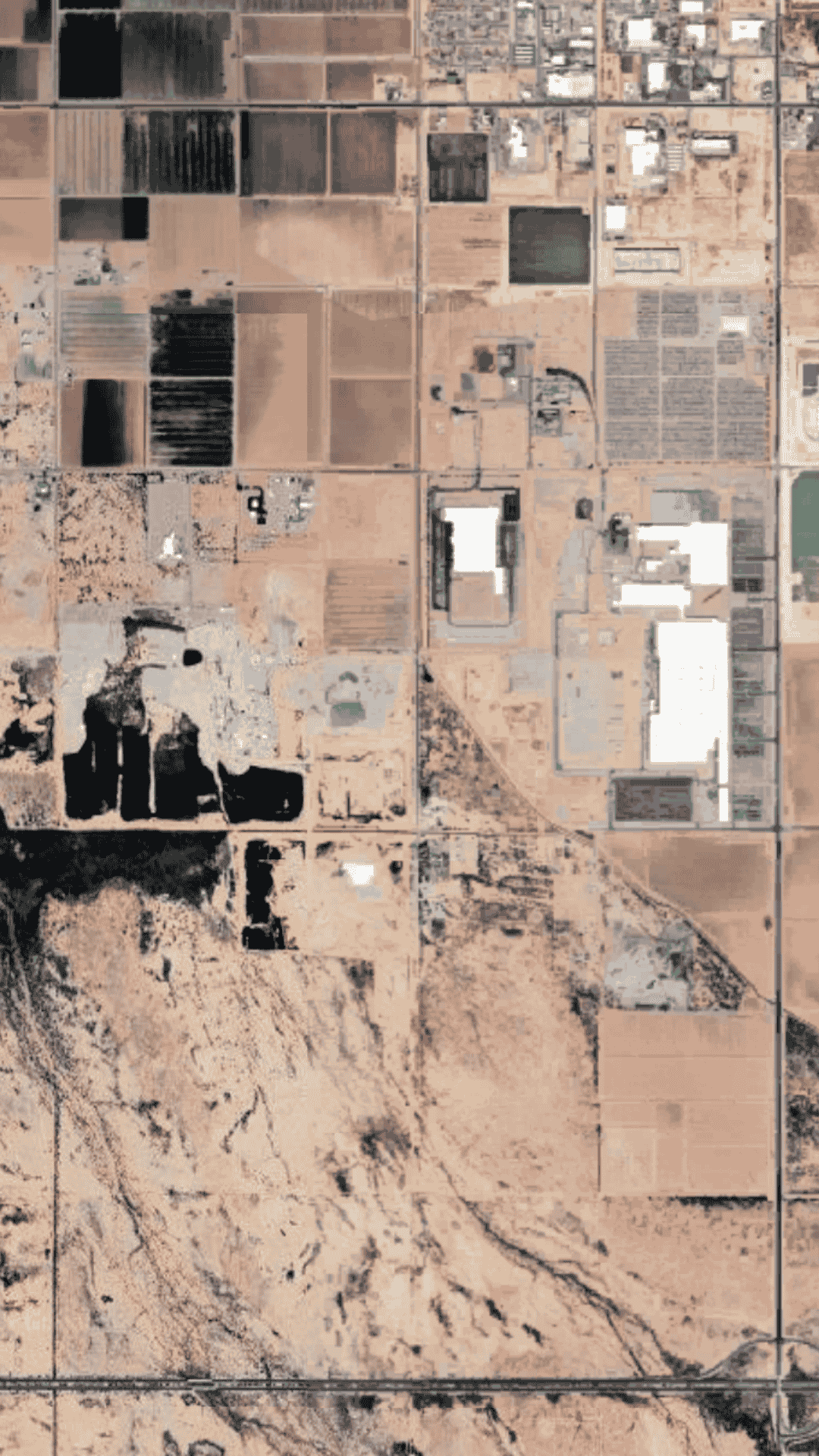 Casa Grande’s Next Industrial Leap: The $70M Chemical Plant Powering Arizona’s Advanced Manufacturing FutureSomething transformative is taking shape in Casa Grande—a story that’s less about chemicals and more about chemistry: the synergy between innovation, infrastructure, and local resilience. Brazilian
 Nice to meet you! I’m Katrina Golikova, and I believe you landed here for a reason.
I help my clients to reach their real estate goals through thriving creative solutions and love to share my knowledge.