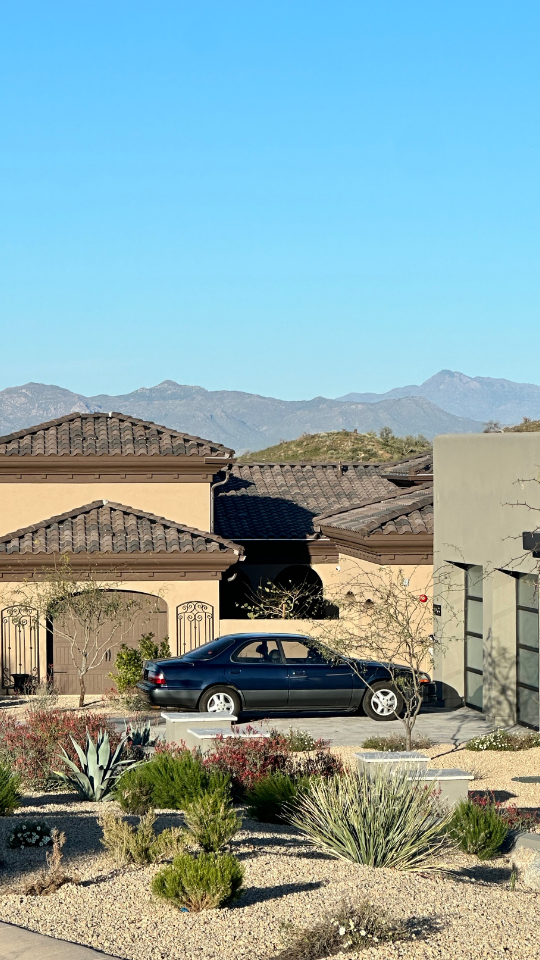
Phoenix’s divergence suggests more resilient local fundamentals—migration, job growth, and supply constraints. Nationally, median home prices were down ~0.6 % and pending sales were collapsing ~31 %, indicating broader weakness. The relative strength tempers downside risk in Phoenix-centric holdings. From tax revenue projections, this resilience helps sustain municipal forecasts. Policymakers may point to this in justifying infrastructure or housing policy. For value stability, the local cushion provides greater breathing room than many other U.S. markets.

The Arizona Commerce Authority confirmed $7.2 billion in new manufacturing facility investments statewide in 2025 YTD, led by semiconductor and battery production plants in Greater Phoenix. These projects boost industrial land values and broaden tax bases. Local zoning updates are fast-tracking entitlements for related suppliers. Green factory certifications ensure compliance with ESG mandates, attracting global institutional capital.
Sun City, Sun City West, and new 55+ masterplanned communities continue to set benchmarks for active-adult living, with ARMLS and CoStar reporting consistently high occupancy and rapid resales—median time on market is less than three weeks. These developments are increasingly structured as wealth-preservation vehicles, often featuring favorable property tax rates and robust community governance. Regulatory policies remain focused on age-restriction compliance and healthcare access, while amenities now frequently include renewable energy microgrids and on-site wellness centers, supporting both sustainability and long-term value.
Mesa’s masterplanned communities, notably Eastmark and Cadence, recorded over 1,200 closings in the past year, reflecting strong demand for amenitized living. Recent data shows a 5% increase in home values within these communities, outperforming traditional subdivisions. Wealth managers highlight the stability of Mesa’s tax environment and the city’s commitment to tech-driven infrastructure. Regulatory policies support renewable energy integration and smart-grid development, enhancing the resilience of residential assets. Mesa’s focus on diverse housing types within masterplans ensures broad market appeal and long-term liquidity.
Pinal County’s residential building permits for May 2025 showed a 12% increase compared to the previous year, with the majority of growth concentrated in the Queen Creek and Buckeye expansion nodes. Census data indicates that builders are aggressively pursuing land in these areas to meet demand for entry-level and move-up housing. This permitting surge is occurring despite higher national interest rates, reflecting the strength of Arizona’s in-migration. Wealth managers note that these growth corridors offer significant long-term appreciation potential as infrastructure catch-up occurs. Tax policy implications include delayed revenue realization due to lagging buildout and occupancy. However, from a strategic family office perspective, lower land costs and amenity buildout potential offer long-run upside. Local zoning remains suburban in form, but Queen Creek and Buckeye are exploring mixed-use overlays.
Scottsdale has witnessed a significant uptick in online engagement related to new home construction, particularly in luxury masterplanned communities. Platforms like ShowingNew and AziqueHomes report growing interest in North Scottsdale projects such as Sereno Canyon and Storyrock, with average new home prices surpassing $1.3 million as of Q2 2025. Scottsdale’s zoning updates and green building incentives contribute to heightened investor attention, especially given Arizona’s property tax cap of 5% annually on primary residences. These developments intersect with smart-city planning, including fiber and electric vehicle infrastructure rollouts, bolstering long-term asset durability.
Phoenix‐area realtors report that in May 2025, active listings were ~50 % higher than in May 2024, while average days on market increased between 16 % and 23 %. This suggests that buyer demand is not keeping pace with new supply additions. Many buyers cite high mortgage rates and macroeconomic uncertainty as headwinds. For wealth strategies, this environment favors patience and negotiation. On tax fronts, slower turnover may restrain upward assessments. Regulatory response may include offering tax credits or incentives to stimulate movement in stalled inventory zones. Value stability is more challenged in peripheral areas; core or amenity-rich locations may resist stagnation better. In smart-city design, districts with walkability or transit access may absorb inventory more readily under weaker demand.
A May 13, 2025 Development Review agenda featured a new 20-story mixed-use project (LEO Tempe) at 835 S Rural Rd totaling ~786 units and additional mixed-use infill, indicating durable high-density momentum in Tempe’s core corridors, and the city set public meetings in July–August 2025 to update residential zoning to comply with 2024 state housing legislation, formalizing process and reducing project friction. For wealth management, the mix of height, unit scale and university-proximate demand supports long horizon underwriting. Tax outcomes include incremental sales and property revenue as projects deliver. The legislative context binds local zoning to state mandates. Value stability in Tempe generally correlates with transit, campus adjacency and employment. Smart-city facets include micromobility, shade, and energy-efficient multifamily systems.


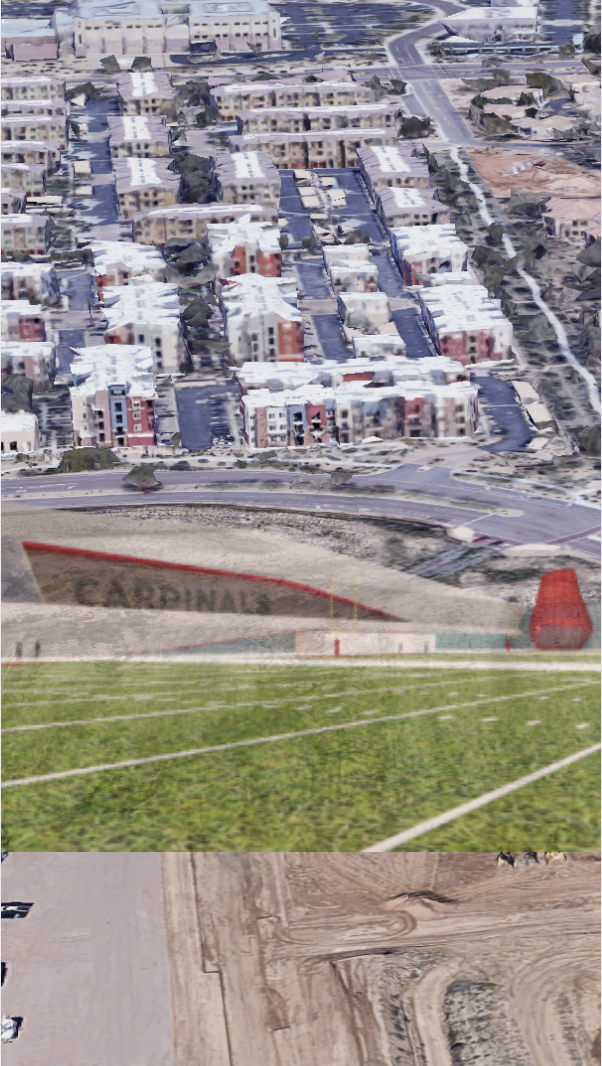 Arizona Cardinals’ $136 Million “Headquarters Alley” Project: How a 217-Acre Deal Will Redefine North Phoenix by 2028
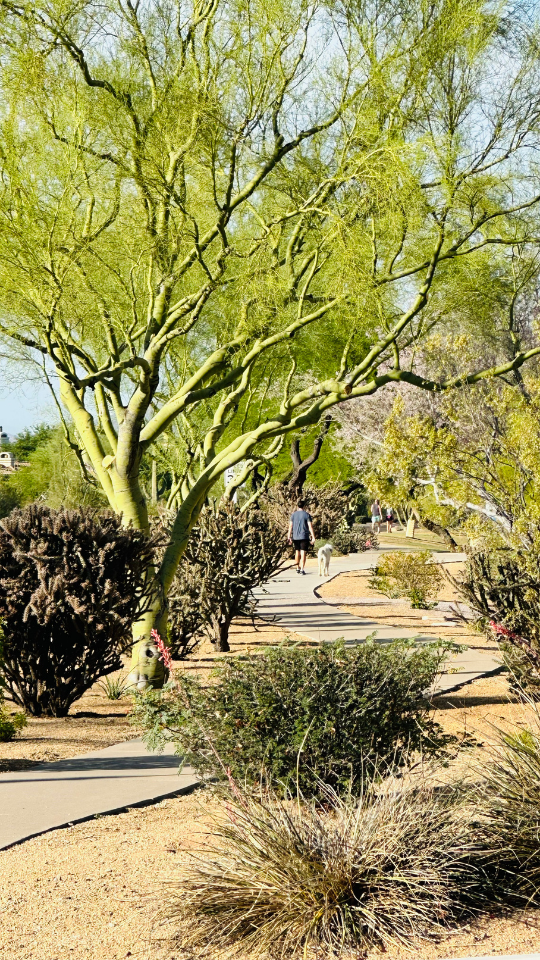 Public Safety as an Asset Class: The New Scottsdale AdvantageIn today’s Smart City economy, safety isn’t simply about peace of mind—it’s becoming a measurable, marketable asset class. Scottsdale is proving that public safety can be engineered into the fabric of
 Queen Creek: Family-Oriented Growth with a Strategic EdgeQueen Creek continues to stand out as one of Arizona’s most family-centered growth markets, weaving together affordability, quality of life, and long-term community vision. With a median home price
 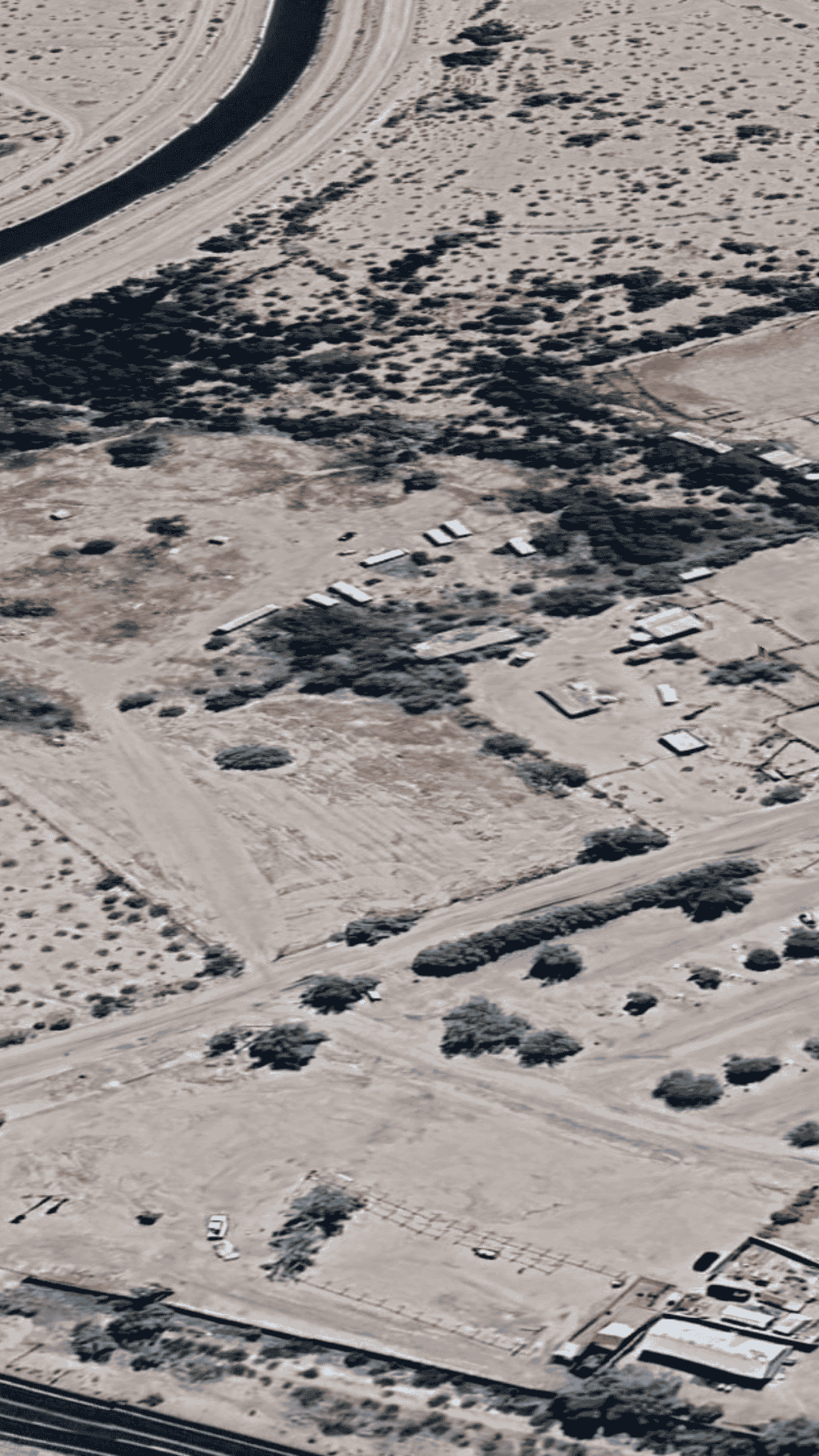 John Wayne’s Former Arizona Ranch: How a 1,000-Acre Land Sale is Shaping the Future of Maricopa’s Smart GrowthIn late 2025, news broke that nearly 1,000 acres of land once part of John Wayne’s Arizona holdings have been sold to developers. What had been the historic “Red River Ranch” is now being eyed for a
 Nice to meet you! I’m Katrina Golikova, and I believe you landed here for a reason.
I help my clients to reach their real estate goals through thriving creative solutions and love to share my knowledge.