Phoenix’s divergence suggests more resilient local fundamentals—migration, job growth, and supply constraints. Nationally, median home prices were down ~0.6 % and pending sales were collapsing ~31 %, indicating broader weakness. The relative strength tempers downside risk in Phoenix-centric holdings. From tax revenue projections, this resilience helps sustain municipal forecasts. Policymakers may point to this in justifying infrastructure or housing policy. For value stability, the local cushion provides greater breathing room than many other U.S. markets.

MAG’s Laveen–South Mountain Transportation Study describes two decades of rapid urbanization and resultant stress on rural roadways, recommending multimodal investments and access management. ADOT’s South Mountain Freeway environmental documents anticipated core-area mixed-use development adjacent to Loop 202 and tracked agricultural-to-urban transitions. For wealth holders, corridor plans help model access timing to new projects. Tax impacts follow improved mobility and land conversion. Regulatory layers include access permits, signal warrants, and city subdivision standards. Value resilience rises with reliable commutes. Smart-city pieces include ITS, signal coordination, and active transportation links.
Eloy’s Strategic Plan 2024–2027 prioritizes fiscal sustainability, economic vitality, infrastructure, and an innovative organization. City pages emphasize the Eloy Municipal Airport’s role and 280 acres owned by the city for future business/industrial park development, with downtown infill opportunities. Economic development materials and growth-area documents note the aviation and skydiving ecosystem; Skydive Arizona continues to operate daily, drawing international traffic. For wealth holders, aviation-industrial adjacency can anchor durable tenancy. Taxes scale with industrial absorption. Regulatory guidance arises from the General Plan and airport environs planning. Value stability correlates with logistics access to I-10 and Union Pacific. Smart-city features include airside planning and utility-served parcels.
Transaction reporting through late 2024 and mid-2025 highlighted multiple large-scale sales of Tolleson logistics properties, reflecting ongoing investor appetite for I-10 corridor industrial. Council agenda postings and minutes through mid-2025 largely reflect steady governance, including routine approvals, rights-of-way, and claims, in support of growth management. From a wealth perspective, stabilized single-tenant logistics assets provide durable income. Tax receipts benefit from increased valuations and sales activity. Regulatory cadence remains predictable via council approvals. Value stability follows tenant credit and access to arterials. Smart-logistics include truck-court design and EV charging readiness.
Maricopa County announced ACC approval of EPCOR’s application to construct a permanent standpipe for Rio Verde Foothills, describing it as a long-term solution for bulk water. Subsequent August 2025 reporting quoted Scottsdale’s statement that EPCOR remains confident it can meet the December 31, 2025 deadline to begin direct service when the city’s temporary agreement expires; industry groups noted resident concerns and engagement around capacity planning. For wealth holders in custom-home areas, utility certainty materially reduces risk. Tax and fee structures follow regulated-utility tariffs. Regulatory oversight involves ACC approvals and municipal interties. Value stability is linked to verified supply. Smart-water measures include metering and conservation plans.
SRP’s 2024–2025 filings reference the PlanPHX 2025 General Plan characterization of the Laveen area near Loop 202 as a Primary Core supporting high concentrations of employment and housing, with more than 800 acres planned or rezoned for economic development since the freeway opened. The documentation notes Phoenix approvals for industrial and tech parks that can attract high-wage jobs in technology, bioscience, and light manufacturing. Wealth portfolios focusing on core-adjacent land may benefit from corridor momentum. Taxes scale with industrial valuations over time. Regulatory grounding includes General Plan policies and corridor-level infrastructure. Value resilience is enhanced by job density and mobility. Smart-city overlays include grid upgrades and freight management.
Pinal County administers planning, building and permits via its Development Services and Planning divisions, with a consolidated citizen access portal and monthly Excel permit reports; August 2025 files show individual Gold Canyon SFR permit details down to fire-rated assemblies and utilities. STR licensing is driven by state law and county zoning; ADOR updated 2025 rental guidance, removing TPT for long-term residential while retaining requirements for property-manager scenarios. Wealth managers should account for county timelines and inspections. Tax compliance now leans on ADOR’s updated rental rules. Regulation involves county planning commission and General Plan/Comprehensive Plan processes. Value stability in Gold Canyon remains tied to views and trail access. Smart-permitting features include online submittals and standard plan libraries.
Under Ordinance 2022-03, Carefree mandates a short-term-rental license in addition to state TPT, with applications renewed annually; the town’s portal centralizes building, right-of-way, and STR licensing and provides real-time status tracking. For wealth platforms operating furnished villas, compliance workflows and neighbor standards are central to yield predictability. Tax considerations include state TPT filings layered with the local license. Regulators highlight responsive enforcement and “good neighbor” expectations. Values in the town’s luxury market segment trend with low-impact rental operations and quiet-use covenants. Smart-city attributes include online submittals, secure payments, and data-rich inspection logs.


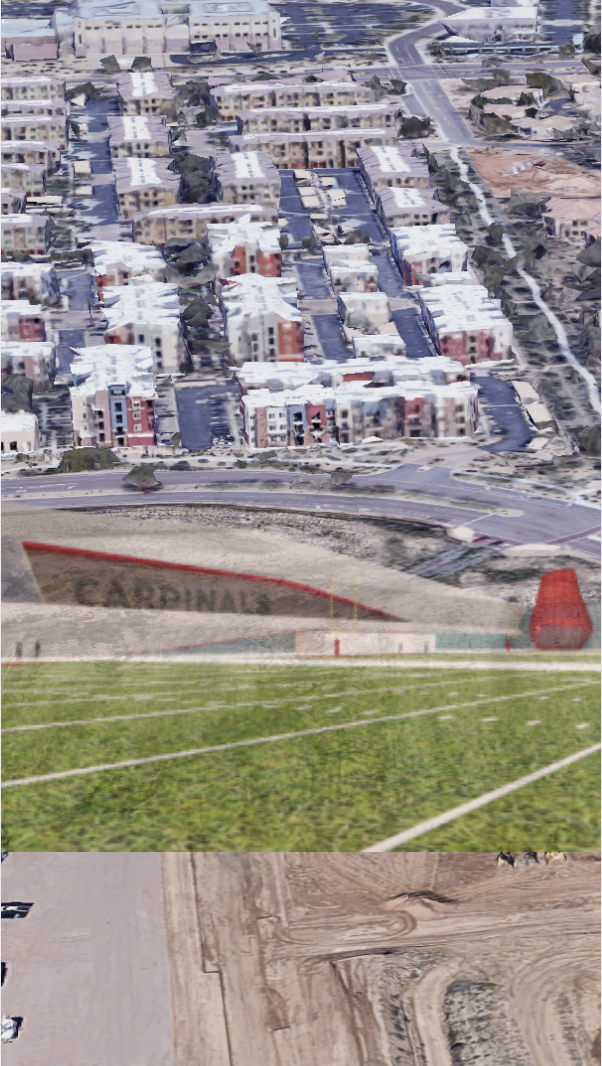 Arizona Cardinals’ $136 Million “Headquarters Alley” Project: How a 217-Acre Deal Will Redefine North Phoenix by 2028
 Public Safety as an Asset Class: The New Scottsdale AdvantageIn today’s Smart City economy, safety isn’t simply about peace of mind—it’s becoming a measurable, marketable asset class. Scottsdale is proving that public safety can be engineered into the fabric of
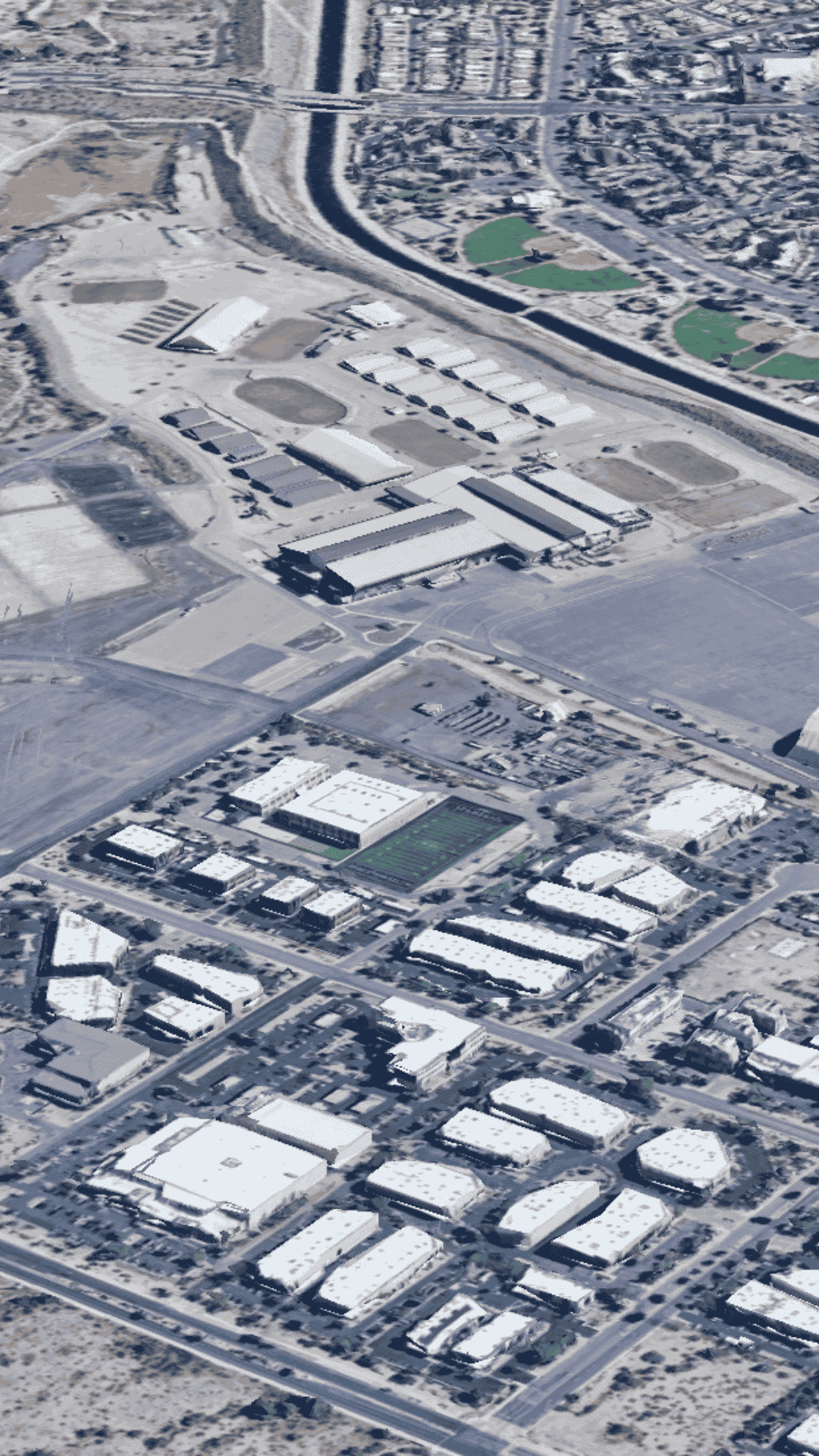 Inside Scottsdale’s Collector’s Garage at WestWorld: The Rise of Luxury Car Condos and Smart Automotive Living in ArizonaIn 2025, Scottsdale took a bold step in catering to the lifestyle aspirations of automotive aficionados: the city council unanimously approved The Collector’s Garage at WestWorld, a luxury “car condo”
Nice to meet you! I’m Katrina Golikova, and I believe you landed here for a reason.
I help my clients to reach their real estate goals through thriving creative solutions and love to share my knowledge.