On June 24, 2025, Maricopa County Board of Supervisors adopted a zoning amendment streamlining approvals for mixed-use and high-density multifamily developments within transit corridors, notably along Central Phoenix, Tempe, and Mesa. The regulatory change reduces conditional use permit timelines by up to 40 days and introduces density bonuses for incorporating renewable energy or affordable units. This framework increases certainty for institutional portfolios and supports urban-infill wealth management strategies. Property tax implications center on the shift from commercial to higher-density residential assessments, which can affect long-term cash flow models. Future-proof development is further supported by new requirements for gigabit-ready digital infrastructure in all new multifamily projects.

Verde River by Trilogy, a resort-style masterplanned enclave, has received approval for a 300-unit expansion, focusing on solar-integrated homes and smart-health monitoring features. Nearby, Rio Verde is seeing a surge in "value-add" renovations as original 1970s lots are updated with modern sustainability tech. These communities benefit from a stable regulatory environment and clear estate planning pathways facilitated by Yavapai and Maricopa county assessors. From a smart-city lens, these expansions include upgraded community Wi-Fi and EV charging hubs at central clubhouses. Investors are increasingly eyeing these areas for their resilience against urban tax fluctuations and their high concentration of cash-heavy legacy owners.
On June 26, 2025 the Chandler City Council voted to support Intel’s federal application to add additional addresses to its FTZ subzone, with follow-on council agenda materials in July indicating continuation of support actions, reinforcing high-tech industrial expansion and associated job creation. From a wealth lens, FTZ benefits can lower operating costs and strengthen local fab investments. For taxes, capital intensity expands assessed value while FTZ structures manage certain levies; net fiscal impact tends to be positive over time. Regulatory oversight remains active on water, wastewater and air permits. Value stability improves around supplier clusters. Smart-city perspectives emphasize energy, water reuse, and transportation linkages to workforce housing.
In June 2025, the Maricopa County Board of Supervisors approved the most comprehensive overhaul of the Maricopa County Zoning Ordinance (MCZO) since the late 1990s, set to take effect in late 2025. For owners and investors in unincorporated areas or outlying suburbs, these updates could impact permitted density, development thresholds, and review processes. Tax implications may follow if increased build‑out transforms community infrastructure cost models. The decision‑making shift leans toward modern planning efficiencies and public‑industry alignment. In future‑proofing terms, the updated MCZO will support smart growth corridors and climate‑adaptive subdivisions. Infrastructure investment and regulatory clarity are expected to support long‑term property‑value retention.
Recent data shows that building permit issuance across the Phoenix metro continues to outpace last year, with a year-over-year increase of approximately 6% in residential permits according to FRED and Maricopa County Recorder feeds. The latest 7-day period saw over 420 new permits in Phoenix alone, reflecting ongoing investor confidence in the market’s future supply. From a wealth management perspective, this volume suggests ongoing development potential for asset diversification, while tax assessments are likely to adjust as new communities reach occupancy. Regulatory oversight remains focused on sustainable water usage, influencing both construction planning and future-proof value retention. Phoenix’s robust permit activity also signals continued smart-city infrastructure expansion, integrating energy-efficient systems in new masterplanned communities.
Scottsdale’s North planning region, including the Pinnacle Peak and Dynamite corridors, is seeing a new wave of masterplanned luxury developments like Sereno Canyon and Storyrock. These projects are now required to meet Scottsdale's 2025 Green Building Code, which mandates net-zero-ready construction and advanced desert-sensitive landscaping. ARMLS data shows median sales prices in these enclaves have risen 6.4% year-over-year, reaching $1.65 million. Wealth managers note that Scottsdale’s property tax regime—capped at a 5% annual increase for primary residences—provides significant long-term fiscal certainty for high-value holdings. The city’s investment in a centralized "Smart Water" grid allows these communities to optimize irrigation and reduce utility costs, directly supporting asset value retention.
Peoria and Glendale have launched significant new phases in communities such as Vistancia and Arrowhead Ranch, with permit volume up 8% year-to-date. CoStar data shows strong absorption among luxury and family-oriented product types, with price per square foot holding above $280. Wealth management perspectives highlight the strength of these communities for both income and capital growth. Arizona’s updated property tax assessments maintain affordability while ensuring fiscal stability. City policies require stormwater management and promote solar readiness, ensuring regulatory alignment and long-term resilience.
Show Low and Payson have experienced a 28% increase in out-of-county buyer activity year-over-year, per PropertyRadar, with the majority of new owners coming from Maricopa and Pima counties. Median days on market in both towns has dropped below 30 for properties under $500,000, indicating surging interest in second homes and work-from-forest lifestyle assets. Legislative considerations include streamlined septic upgrades and ADU allowances under HB2447, benefiting multi-generational and work-from-home property configurations. Broadband expansions under the Arizona Broadband Development Grant enhance the digital viability of remote work enclaves.


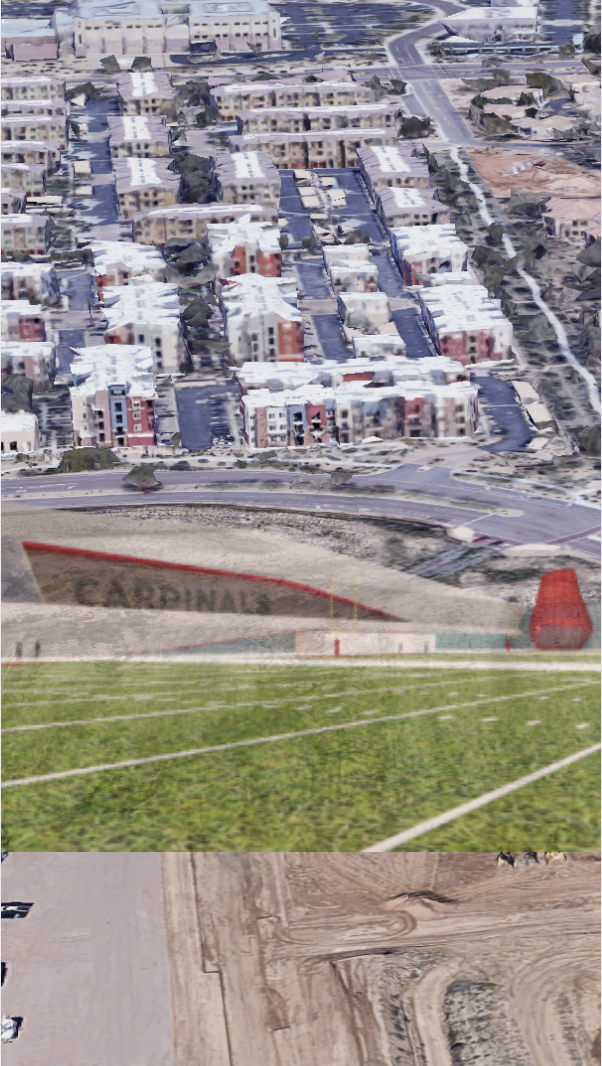 Arizona Cardinals’ $136 Million “Headquarters Alley” Project: How a 217-Acre Deal Will Redefine North Phoenix by 2028
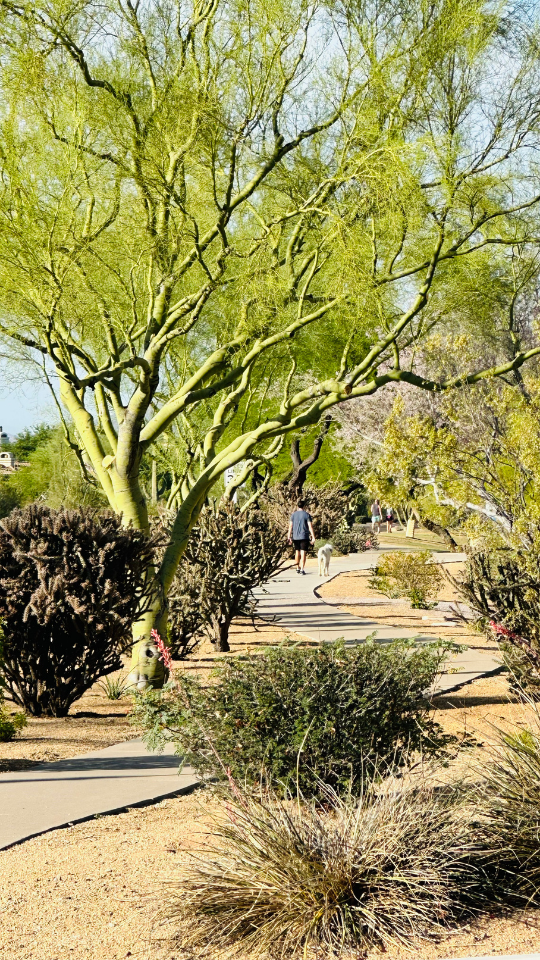 Public Safety as an Asset Class: The New Scottsdale AdvantageIn today’s Smart City economy, safety isn’t simply about peace of mind—it’s becoming a measurable, marketable asset class. Scottsdale is proving that public safety can be engineered into the fabric of
Nice to meet you! I’m Katrina Golikova, and I believe you landed here for a reason.
I help my clients to reach their real estate goals through thriving creative solutions and love to share my knowledge.