On June 24, 2025, Maricopa County Board of Supervisors adopted a zoning amendment streamlining approvals for mixed-use and high-density multifamily developments within transit corridors, notably along Central Phoenix, Tempe, and Mesa. The regulatory change reduces conditional use permit timelines by up to 40 days and introduces density bonuses for incorporating renewable energy or affordable units. This framework increases certainty for institutional portfolios and supports urban-infill wealth management strategies. Property tax implications center on the shift from commercial to higher-density residential assessments, which can affect long-term cash flow models. Future-proof development is further supported by new requirements for gigabit-ready digital infrastructure in all new multifamily projects.

Scottsdale's median sale price stood at $899,500 in July, with a DOM of just 34 days—20 days faster than in March 2025. Paradise Valley led Arizona in median sale price, now at $3.75M, and recorded 17 closings over $5M in Q2, per Redfin and local MLS feeds. Cromford's Market Action Index remains over 120 in both cities, designating strong seller markets. These cities benefit from consistent buyer inflow from high-net-worth out-of-state households, incentivized by Arizona’s favorable property tax regime and the lack of estate tax. Future-proof value stability is further enhanced by strict zoning controls and limited new inventory, aligning with long-range sustainability and water-assurance compliance mandates.
Eloy approved zoning for a 400,000 sq. ft. data center campus, the first of its kind in the city. Such developments draw institutional capital and further diversify the tax base. Arizona’s data center tax abatement continues through 2033. Facilities will utilize recycled water and be constructed to meet or exceed energy codes.
As of May 2025, median home prices in the Phoenix metro area remain stable despite a 9% year-over-year decline in closed sales, with the ARMLS STAT report showing a median price just under $470,000. Inventory levels have risen modestly, with active listings up 11% compared to this time last year, and average days on market trending above 52 days. While this environment signals less liquidity for immediate sellers, long-term wealth management remains supported by persistent in-migration and a low rate of distressed sales. On the tax front, stable valuations help avoid sudden property tax escalations for existing owners. New state legislation (HB2110/2119) continues to shape disclosure and permitting obligations, sustaining regulatory clarity for buyers and fiduciaries. The region’s value resilience is underpinned by economic diversification, and Phoenix’s expansion of smart permit portals is reducing process friction for investors.
In July 2025, Phoenix saw median home prices remain at $450,000–$460,000—up slightly from June 2024—but decline ~1.1–1.3% month-over-month, while active listings increased ~42%, with total listings near 28,862 (+37% YoY). Monthly sales rose modestly (+4.9% YoY) but slid 6.8% from May.
Though not tied to a specific master planned community, the Bartlett reservoir expansion is material to master planned community underwriting in the Verde Valley and Maricopa/Pinal metro fringe. Increased storage supports central Arizona’s dependence on Verde River infill when Colorado River allocations are tight, enhancing the Assured Water Supply certification durability. Developers and municipalities in Sierra Verde, north Pinal, and East Valley areas—including Queen Creek, Rio Verde, and Florence—stand to benefit from a more resilient and long-term renewable supply, reducing reliance on nonrenewable groundwater sources.
CoStar reports Mesa industrial assets absorbed a record 4.7 million square feet in Q2 2025, driven by e-commerce and logistics expansions. This volume suggests high demand for East Valley industrial footprints. Property tax revenue from these developments will support regional infrastructure. Zoning remains favorable for industrial growth.
The Phoenix metropolitan area recorded 5,470 new home closings in masterplanned communities during the first half of 2025, with communities like Eastmark, Vistancia, and Verrado continuing to attract strong buyer interest. According to recent ARMLS data, the median new home price in Greater Phoenix rose to $545,000 in May 2025, a 4.2% year-over-year increase, reflecting ongoing demand despite higher interest rates. Wealth management strategies now emphasize allocation in high-amenity, masterplanned environments for both value appreciation and legacy transfer. Arizona's property tax regime remains competitive, especially for primary residents and retirees. Local ordinances increasingly require communities to adopt water efficiency and renewable energy features, boosting long-term asset resilience and aligning with ESG investment preferences.


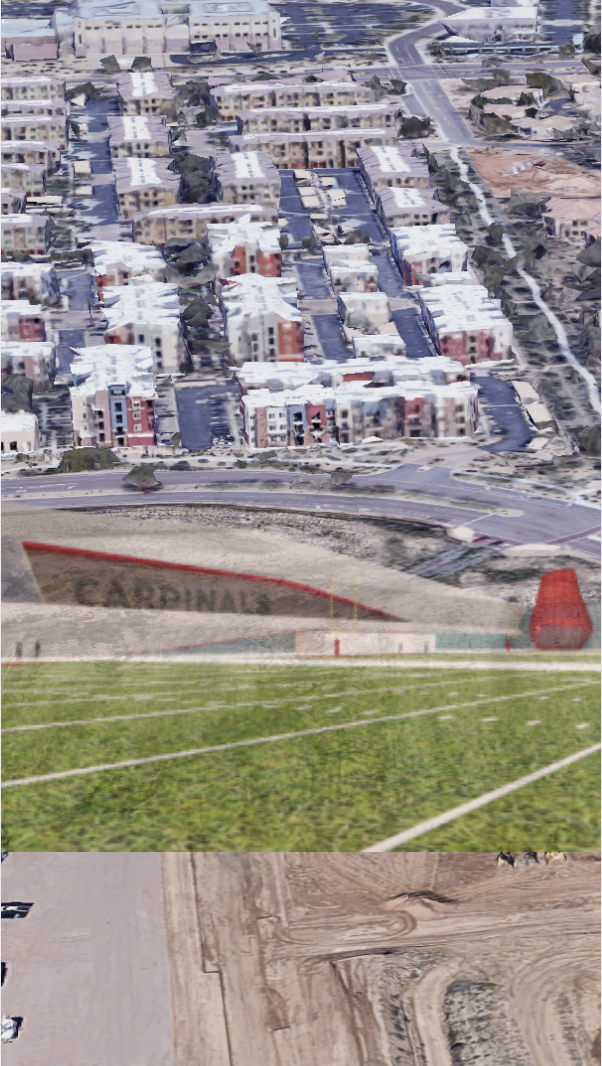 Arizona Cardinals’ $136 Million “Headquarters Alley” Project: How a 217-Acre Deal Will Redefine North Phoenix by 2028
 Public Safety as an Asset Class: The New Scottsdale AdvantageIn today’s Smart City economy, safety isn’t simply about peace of mind—it’s becoming a measurable, marketable asset class. Scottsdale is proving that public safety can be engineered into the fabric of
Nice to meet you! I’m Katrina Golikova, and I believe you landed here for a reason.
I help my clients to reach their real estate goals through thriving creative solutions and love to share my knowledge.