On June 24, 2025, Maricopa County Board of Supervisors adopted a zoning amendment streamlining approvals for mixed-use and high-density multifamily developments within transit corridors, notably along Central Phoenix, Tempe, and Mesa. The regulatory change reduces conditional use permit timelines by up to 40 days and introduces density bonuses for incorporating renewable energy or affordable units. This framework increases certainty for institutional portfolios and supports urban-infill wealth management strategies. Property tax implications center on the shift from commercial to higher-density residential assessments, which can affect long-term cash flow models. Future-proof development is further supported by new requirements for gigabit-ready digital infrastructure in all new multifamily projects.

Glendale’s sports-entertainment district saw an 11% YOY lift in adjacent residential value according to Zillow’s geotagged ZHVI data. Peoria, meanwhile, has over $280M in civic improvements planned through 2027, including water reclamation and public safety facilities. These developments are backed by stable fiscal regimes and leverage municipal bonds rated AA or higher. For wealth planning, the increase in asset-backed public improvements enhances property value resilience and offsets exposure to rising insurance premiums. Both cities are scaling sustainability integration via parks expansion and smart traffic systems.
According to the latest ARMLS STAT report, the median sales price in Phoenix rose 3.7% year-over-year in May 2025, reaching $472,000, while active inventory remains 12% lower than last spring. This reflects sustained equity retention for wealth portfolios. Homeowners should note property tax valuations will likely adjust upward, reinforcing the importance of homestead exemptions. Legislative discourse continues around reassessment caps. These stable fundamentals support conservative wealth preservation strategies and align with energy-efficient building code adoption trends citywide.
Both Sedona and Prescott see ~48–50% of luxury sales executed in cash, reflecting investor confidence and reduced financing risk. Sedona’s tighter licensing and fee structures limit rental income potential but reduce oversupply risk—supporting value stability. Prescott has not adopted similar STR restrictions, which may favor rental flexibility but carry market perception risk. Continued allocation of municipal funding toward wildfire mitigation, defensible-space mapping, and enhanced water infrastructure boosts insurability and fortifies long-term equity. Favorable primary-residence tax assessments, combined with limited new levies and no major state tax shifts, support portfolio viability. Regulatory clarity around rentals ensures better forecasting of net yields and compliance cost structures. Both communities are prioritizing environmental resilience and infrastructural sustainability—key criteria in modern wealth preservation and generational asset transfer strategies.
Institutional investors accounted for just 7.5% of all single-family home purchases across metro Phoenix in Q1 2025, down from 8.2% in Q1 2024, continuing a two-year trend of retreat. This decline places Phoenix below the Arizona statewide institutional buying average of 6.9%, according to CoreLogic data cited by Axios. Analysts point to cooling rental growth, high home prices, and rising financing costs as the primary deterrents. For wealth management portfolios, this shift opens local markets to individual buyers and boutique investment groups, while signaling a slowdown in large-scale yield-seeking capital inflows. Tax implications may emerge as local municipalities shift attention to small-owner tax base strategies. Legislatively, the pullback reduces pressure on regulatory caps that had been under informal consideration. From a stability lens, reduced institutional dominance supports more organic pricing dynamics. The trend also aligns with long-term smart-city initiatives favoring diversified ownership, community resilience, and less speculative neighborhood structuring.
As of June 2025, the ARMLS Market Watch reports that active residential listings in Maricopa County have increased 24.1% year-over-year, reaching 17,785 homes. Meanwhile, new contract activity has declined by 11.6% over the same period, signaling demand-side hesitation. The Cromford Market Index has dropped below 110 for Phoenix proper, indicating a gradual shift toward a buyer-favorable balance. From a wealth management lens, this softening may ease entry for cash-heavy buyers looking for longer-term rental yield or multigenerational holds. On the tax side, flatter appreciation could dampen future assessed value hikes. No new legislation is directly constraining inventory, though permitting cycles remain sluggish in outer submarkets. Lower buyer urgency stabilizes values for those with low leverage, and increased inventory supports more efficient smart-city land use over time.
Recent City of Phoenix data show that, over the past 12 months, Phoenix issued more than 18,400 residential building permits, a figure outpacing all other Arizona metros. This robust permit velocity—tracked daily and via FRED—reflects a renewed builder confidence, with a 7-day rolling issuance often exceeding 350 permits. Wealth managers see this as a signal of future asset expansion, while increased supply may buffer property tax bases and ease affordability concerns over time. City leadership’s push for green infrastructure and digital permitting aligns with smart-city trends, supporting both long-term value stability and ESG investment mandates.
Gilbert and Queen Creek report among the highest absorption rates for new masterplanned homes, with inventory turnover times remaining below the metro average at approximately 36 days on market. Recent offerings from builders like Fulton Homes and Toll Brothers are met with strong buyer interest, often from households relocating for quality-of-life and tax-efficiency reasons.


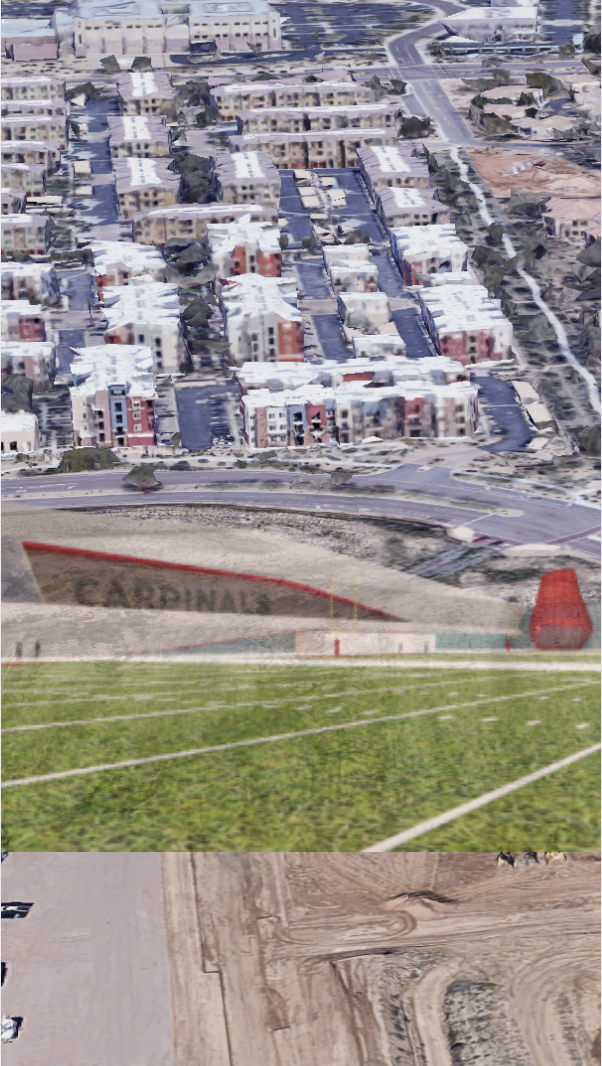 Arizona Cardinals’ $136 Million “Headquarters Alley” Project: How a 217-Acre Deal Will Redefine North Phoenix by 2028
 Public Safety as an Asset Class: The New Scottsdale AdvantageIn today’s Smart City economy, safety isn’t simply about peace of mind—it’s becoming a measurable, marketable asset class. Scottsdale is proving that public safety can be engineered into the fabric of
 Mid-2025 Sellers Outnumber Buyers by >30 % in the ValleyIn mid-2025, Phoenix’s real estate skyline tells a new story: for the first time in years, sellers are firmly in the driver’s seat. Across the Valley, active listings are climbing while buyer demand
  Banner Health’s $400 Million Comeback: How North Scottsdale’s New Hospital Could Redefine Arizona’s Medical CorridorWhen a city’s skyline begins to change, it’s rarely just about architecture—it’s about ambition, identity, and the human stories that will fill those new walls. North Scottsdale is once again standing
Nice to meet you! I’m Katrina Golikova, and I believe you landed here for a reason.
I help my clients to reach their real estate goals through thriving creative solutions and love to share my knowledge.