On June 24, 2025, Maricopa County Board of Supervisors adopted a zoning amendment streamlining approvals for mixed-use and high-density multifamily developments within transit corridors, notably along Central Phoenix, Tempe, and Mesa. The regulatory change reduces conditional use permit timelines by up to 40 days and introduces density bonuses for incorporating renewable energy or affordable units. This framework increases certainty for institutional portfolios and supports urban-infill wealth management strategies. Property tax implications center on the shift from commercial to higher-density residential assessments, which can affect long-term cash flow models. Future-proof development is further supported by new requirements for gigabit-ready digital infrastructure in all new multifamily projects.

In May 2025, Scottsdale City Council approved an updated green building code mandating solar-ready roofs, water-smart landscaping, and stricter envelope performance for all new residential and commercial projects beginning January 2026. These requirements are projected to reduce energy use intensity by 18% over the first 10 years of occupancy. For wealth and estate managers, these efficiency standards offer enhanced resale positioning and may increase eligibility for federal and state tax credits. The regulatory change aligns with statewide moves to strengthen resilience against water shortages and urban heat. Compliance tracking will be embedded in digital permitting, supporting Scottsdale’s broader smart-city agenda and ensuring durable, future-proof asset value.
Between January and June 2025, Maricopa County issued 1,240 new commercial construction permits, up 13% from the same period in 2024 per CoStar and county records. The largest clusters are in Surprise, Goodyear, and Tempe, with a notable focus on mixed-use and logistics centers exceeding 100,000 sq ft. This pipeline indicates broad-based confidence among institutional investors, providing portfolio diversification opportunities in income-producing assets. The surge impacts depreciation schedules and may affect 1031 exchange strategies for taxable events. Cities have responded with expedited plan review protocols and sustainability scorecards, while the 2024 legislative session’s SB1298 incentivizes energy-efficient build-outs. The long lead times and infrastructure upgrades embedded in these projects offer durable value stability and climate resilience.
According to the ARMLS June 2025 data, active residential listings in Greater Phoenix climbed to 18,221, marking a 17% year-over-year increase and the highest June count since 2020. Median sales prices held steady at $445,000, reflecting ongoing resilience despite mortgage rates hovering near 6.9%. For high-net-worth individuals, this uptrend in supply offers diversified entry points for asset allocation and estate planning. Tax-wise, property valuations remain stable, keeping ad valorem liabilities predictable for the upcoming cycle. Local ordinances, including recent Chandler and Gilbert amendments on short-term rentals, reinforce compliance vigilance. The relatively slow pace of new construction and sustained buyer demand support future-proof value stability. Municipalities in Phoenix, Scottsdale, and Tempe continue smart-city pilot programs to digitize permitting and promote solar-ready developments, enhancing long-term appeal.
In Chandler, Mesa, and Gilbert, a robust construction pipeline is evident, with Mesa issuing over 2,100 new residential building permits in the past 12 months—reflecting a strong growth orientation. The area’s high permit volume aligns with above-average population growth and ongoing employment gains, according to regional planning and BLS data. Investors benefit from a continually expanding asset base, while fixed asset tax treatment in Arizona provides opportunities for depreciation and long-term sheltering. Local zoning and planning remain responsive, with cities accelerating permit reviews to address housing supply constraints. As these communities are still below full build-out saturation, opportunities remain for both greenfield and infill development. East Valley municipalities have also prioritized green infrastructure, supporting future sustainability and energy cost reductions.
The Phoenix-Metro residential market is demonstrating stabilized median home prices, with ARMLS reporting median sales hovering around $445,000 as of July 2025. Days on market have averaged 44, while closed sales volume remains subdued year-on-year, reflecting a rebalancing after the post-pandemic surge. Wealth managers note the environment supports portfolio diversification, as price corrections can unlock value. Arizona’s property tax assessment ratios remain unchanged, offering predictability for high-net-worth owners. Regulatory attention continues on short-term rentals and water-use compliance, adding layers of due diligence for buyers. The region’s market is considered structurally sound due to demographic growth and sustained in-migration, supporting longer-term value preservation. Smart-city initiatives, such as investments in energy-efficient infrastructure and water resilience, position Phoenix as a future-ready market.
Recent data from the Phoenix Planning and Development Department shows a 7% year-over-year increase in new single-family building permits issued across the Phoenix metropolitan area as of July 2025, with more than 18,000 permits year-to-date. This surge reflects sustained builder confidence, particularly in communities such as Eastmark (Mesa, DMB Associates), Vistancia (Peoria, Shea Homes), and Asante (Surprise, Lennar), where infrastructure investment is prominent. From a wealth management perspective, increased inventory may temper price escalation, influencing portfolio rebalancing and real estate trust strategies. Arizona’s property tax policy remains favorable for primary residences, although higher supply can moderate assessed value growth. No new restrictive legislation is pending, supporting future-proof stability. Smart-city features—such as solar-ready designs and reclaimed water landscaping—are increasingly standard in these communities.
The City of El Mirage has completed a $28 million public safety headquarters, consolidating police, fire, and emergency services. The facility was funded through municipal bonds and state grants. Gensler served as the architect, emphasizing secure, resilient design. The project was prioritized under recent state legislation aimed at upgrading first-responder facilities. Modern HVAC and LED lighting systems reduce operational costs and environmental impact. Community members report increased response times and improved civic pride.


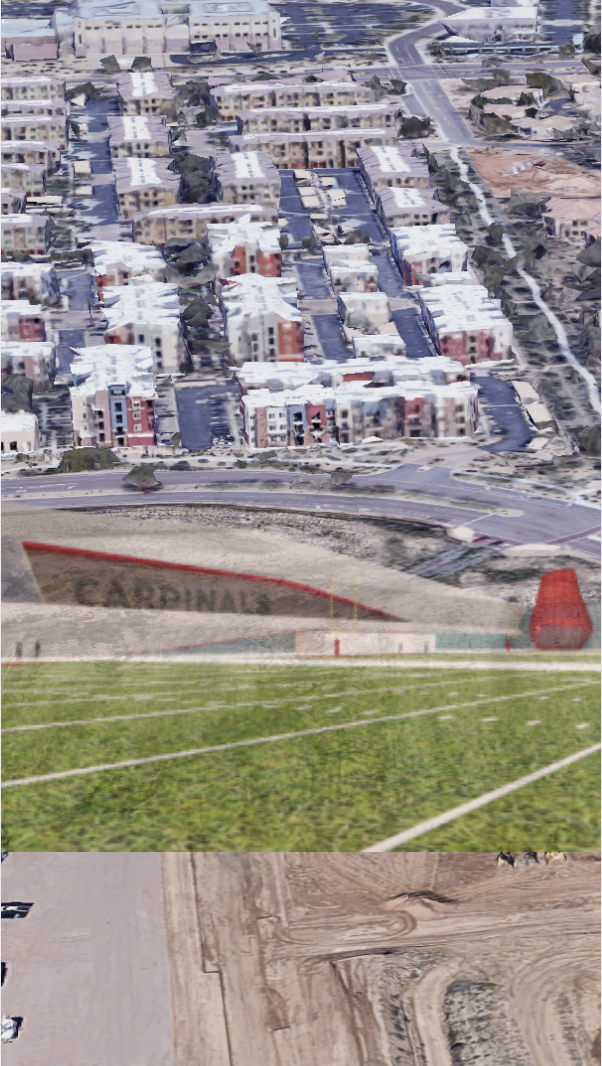 Arizona Cardinals’ $136 Million “Headquarters Alley” Project: How a 217-Acre Deal Will Redefine North Phoenix by 2028
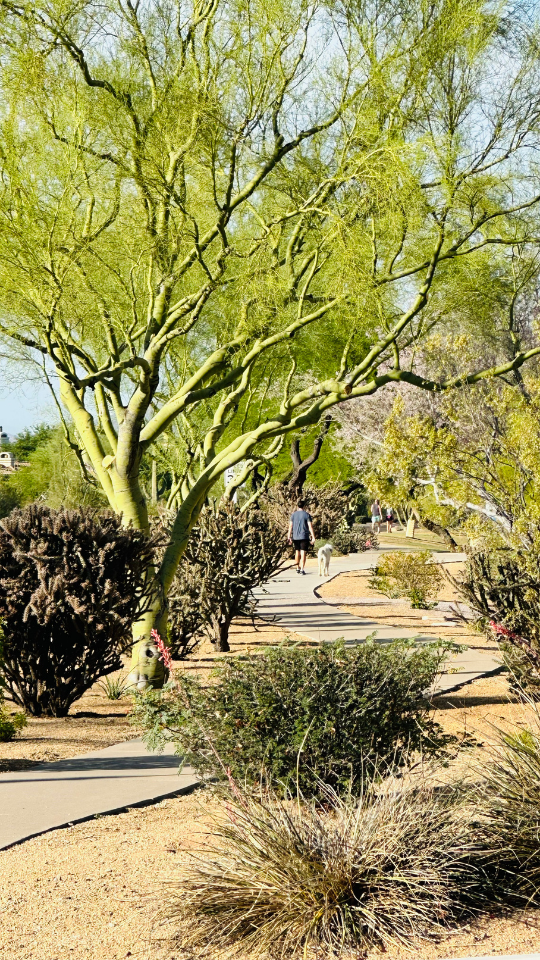 Public Safety as an Asset Class: The New Scottsdale AdvantageIn today’s Smart City economy, safety isn’t simply about peace of mind—it’s becoming a measurable, marketable asset class. Scottsdale is proving that public safety can be engineered into the fabric of
Nice to meet you! I’m Katrina Golikova, and I believe you landed here for a reason.
I help my clients to reach their real estate goals through thriving creative solutions and love to share my knowledge.