The Mattel Adventure Park in Glendale, adjacent to the VAI Resort, blends immersive attractions tied to brands like Barbie and Hot Wheels. It represents a large experiential, tourism-driven real-estate anchor. Nearby hospitality, retail, entertainment real-estate may see uplift from increased visitation traffic. Local jurisdictions will face infrastructure demands (roads, parking, utilities). From a regulatory angle, permitting and event zoning will be important. In value terms, properties in surrounding districts may see revaluation linked to visitor amenities and foot traffic.

Northern Arizona masterplanned communities are increasingly focusing on environmental stewardship and water conservation. Projects in Sedona and Prescott are integrating advanced greywater systems and native landscaping to meet stringent regulatory requirements. These features not only protect natural resources but also enhance property values by appealing to eco-conscious buyers. Wealth management perspectives emphasize the long-term asset resilience of these sustainable developments. Property tax rates in Yavapai and Coconino counties remain favorable, supporting wealth transfer and retirement strategies in high-amenity mountain environments.
In May 2025 Fountain Hills rolled out an online portal to register short-term rentals, instructing existing operators to obtain required permits within 60 days and warning of penalties for noncompliance; the town’s rental page clarifies that registration is required and outlines long-term vs. short-term status changes prior to advertising stays under 30 days. Portfolio managers should account for administrative timing and modest operational costs; the town indicates no local permit fee but requires registration and adherence to state TPT where applicable. Regulatory context reflects Arizona’s evolving STR framework, pairing state preemption with local nuisance enforcement. Value stability for STR-adjacent holdings improves with orderly compliance. Smart-city angles include digitized licensing and data capture to monitor trends.
Chandler and Tempe are leveraging innovative land use policies, including expedited infill approvals and adaptive reuse of vacant retail centers. Chandler, now over 88% built out, has introduced incentives for strategic redevelopment, with programs supporting mixed-use and multi-generational housing. From a capital allocation perspective, this favors investors prioritizing stable, long-term returns and asset repositioning over ground-up speculative builds. State and local tax incentives are available for qualifying projects, particularly those advancing smart-city and sustainability goals. Municipalities are actively revising zoning ordinances to enable higher density and facilitate 15-minute city planning principles, supporting walkability and reducing carbon footprints.
According to the latest MAG projections, the Phoenix metro population is expected to exceed 5.2 million by 2030, supported by a consistent annual net migration rate of 1.7%. Job growth remains robust, with professional, scientific, and technical services leading at a 3.8% annualized rate. For private clients, this demographic tailwind underpins multi-cycle demand for both primary and secondary residences. On the tax front, favorable migration is expected to support municipal revenue bases without material upward pressure on mill rates. State-level regulatory updates are focused on balancing new development with infrastructure capacity—particularly in water supply and transportation corridors—ensuring the region’s value trajectory remains insulated from volatility seen in less diversified economies. Smart-city infrastructure investments, including broadband and transit, position Phoenix and its satellite markets as sustainable long-term bets.
As of June 2025, the Phoenix metropolitan area’s median single-family home price reached $472,000, reflecting a year-over-year increase of 4.2% per ARMLS. Inventory levels are up by 18% compared to June 2024, with active listings exceeding 19,500, partly due to increased new builds and slower buyer activity. The Cromford Market Index sits at 128, signaling a moderately balanced market, while luxury inventory ($1.5M+) has seen slightly longer days on market, now averaging 62 days. Wealth management professionals note a shift toward longer holding periods for premium assets, reflecting strategies to preserve value amid global economic uncertainty. Property tax rates remain unchanged, but higher assessments in select Scottsdale and Paradise Valley zones could affect annual liabilities. From a regulatory perspective, ongoing discussions in the Arizona Legislature regarding investor-owned property disclosures may affect future reporting requirements. Market resilience is supported by continued in-migration and a diversified economy, underpinning value stability. Regional smart-city initiatives, such as the Phoenix Smart City pilot and increased EV charging infrastructure, are enhancing long-term desirability for high-end buyers.
The luxury market in Phoenix saw a 17% year‑over‑year increase in luxury home listings in Q1 2025, followed by another 15% gain in Q2. For wealth managers, this expansion signals differentiated asset allocation opportunities in high‑end segments, albeit with longer average holding periods. The stable zoning regime and absence of rate hikes have muted tax volatility, while ongoing city parcel rezoning efforts are expanding building opportunity zones. From a sustainability lens, new luxury projects increasingly request green‑certification incentives, bolstering long‑run appeal in upscale resale markets. With this elevated listings baseline, pricing resilience remains intact, supporting future capital preservation.
Scottsdale’s ARMLS data report a median sale-to-list ratio of 99.6% in Q2 2025, underscoring steady demand for both new and resale homes. With average days on market at 38 (down 11% YOY), new masterplanned communities such as Sereno Canyon and Storyrock are integrating water-wise landscaping, energy-efficient designs, and HOA-driven tax transparency. Regulatory updates in 2025 require new subdivisions to include net-zero-ready options, bolstering wealth preservation for high-net-worth buyers, while the city’s Green Building Program incentivizes sustainable construction.


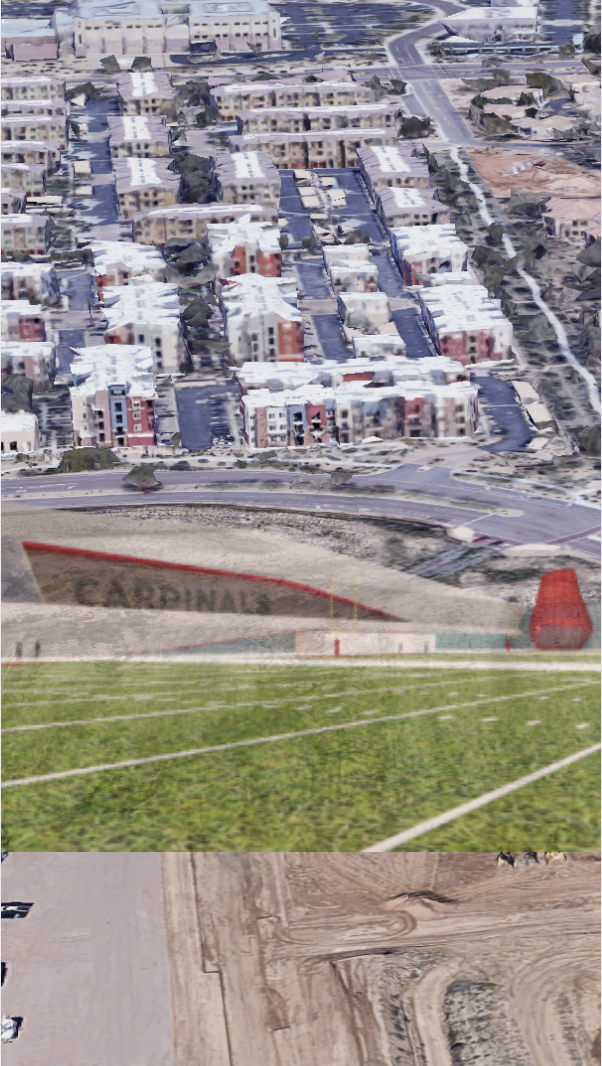 Arizona Cardinals’ $136 Million “Headquarters Alley” Project: How a 217-Acre Deal Will Redefine North Phoenix by 2028
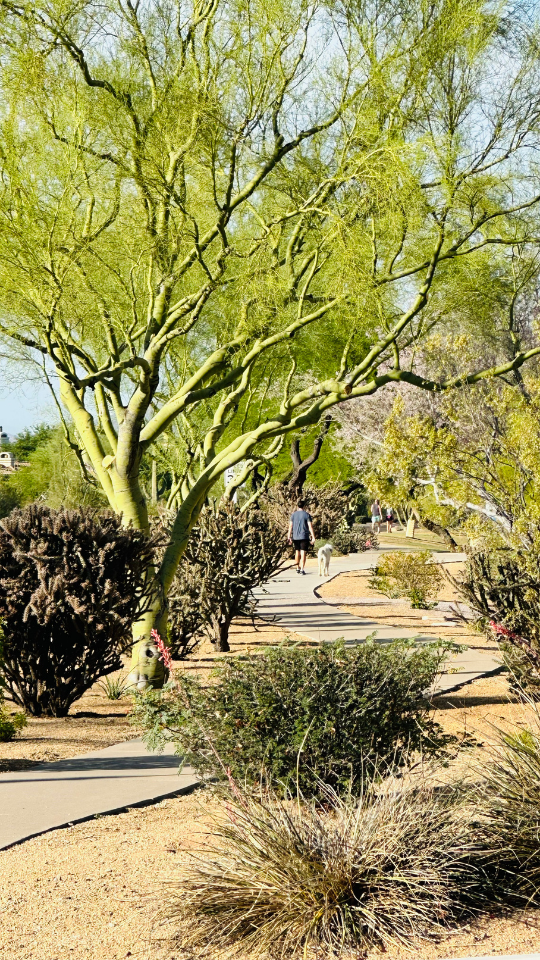 Public Safety as an Asset Class: The New Scottsdale AdvantageIn today’s Smart City economy, safety isn’t simply about peace of mind—it’s becoming a measurable, marketable asset class. Scottsdale is proving that public safety can be engineered into the fabric of
Nice to meet you! I’m Katrina Golikova, and I believe you landed here for a reason.
I help my clients to reach their real estate goals through thriving creative solutions and love to share my knowledge.