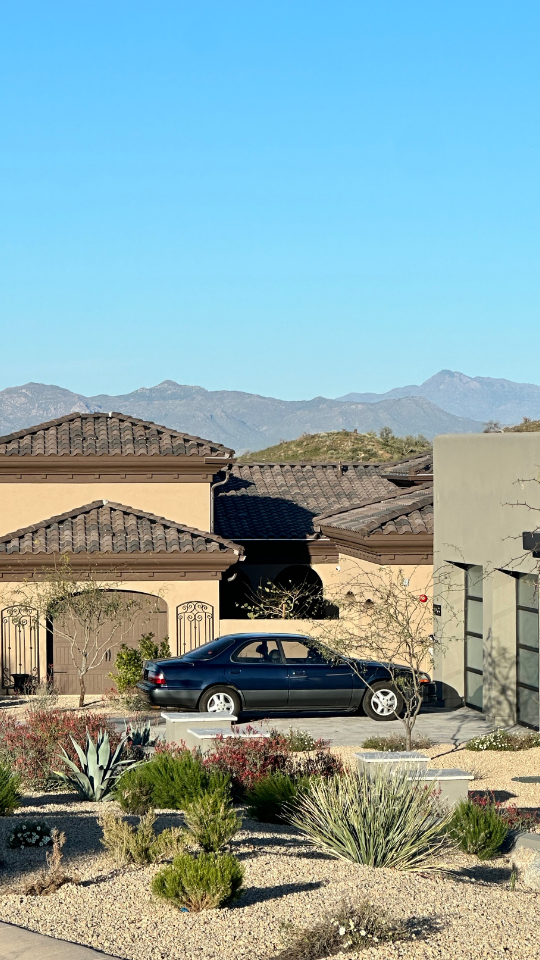
The Mattel Adventure Park in Glendale, adjacent to the VAI Resort, blends immersive attractions tied to brands like Barbie and Hot Wheels. It represents a large experiential, tourism-driven real-estate anchor. Nearby hospitality, retail, entertainment real-estate may see uplift from increased visitation traffic. Local jurisdictions will face infrastructure demands (roads, parking, utilities). From a regulatory angle, permitting and event zoning will be important. In value terms, properties in surrounding districts may see revaluation linked to visitor amenities and foot traffic.

Taylor Morrison has launched the first phase of a 400-home master-planned community in Laveen, with homes starting in the mid-$400,000s. The site plan includes walking trails, a community pool, and smart-home standard packages. The project benefits from Phoenix’s Growth Area policy, ensuring coordinated infrastructure upgrades. Taylor Morrison has delivered several successful master-planned communities in Arizona, including Alamar in Avondale. Wealth management professionals note the value stability of master-planned communities during economic cycles. Laveen residents will benefit from improved public amenities and walkability.
Seefried Industrial Properties is completing a 600,000-square-foot distribution center in Tolleson for a Fortune 100 national retailer, with completion slated for Q1 2025. The project is forecasted to support over 400 permanent jobs and attract ancillary logistics businesses. Arizona’s Foreign Trade Zone incentives and the City of Tolleson’s expedited permitting process facilitated the rapid timeline. Seefried has developed several logistics parks in the region, including the adjacent Tolleson Logistics Center. The facility is designed for energy efficiency and will utilize on-site solar arrays. Community benefits include job growth and support for transportation infrastructure upgrades.
Crescent Communities and Hines have broken ground on a 35-story, 350-unit luxury residential tower at 3rd Avenue and Van Buren Street, marking one of Downtown Phoenix’s tallest new developments. The tower features ground-floor retail and an amenity deck with urban farming components. The project is anticipated to generate $700,000 in annual city taxes upon stabilization. Recent city policies allow for increased density and reduced parking minimums in transit-oriented districts. The development uses smart HVAC systems and EV-ready parking. Crescent and Hines have collaborated on similar high-rise projects in Texas and Colorado, known for efficient project delivery. Community leaders expect increased urban vibrancy and support for local businesses.
Aligned Data Centers has commenced sitework for a new 120-acre data center campus in Surprise, anticipated to deliver 1.5 million square feet of space in phases. The facility, expected to be fully operational by 2027, leverages renewable energy contracts with SRP and includes advanced water recycling systems. Wealth advisers note that data centers underpin digital infrastructure portfolios with stable returns. The campus qualified for Arizona’s data center tax exemption program, reducing transaction privilege taxes on equipment. The project aligns with city ordinances supporting digital infrastructure. Aligned is also active in Chandler and Phoenix, demonstrating a robust regional strategy. Community members have cited benefits in diversifying Surprise’s employment base.
A private equity group led by Rosewood Homes has received final approvals for a $200 million redevelopment of an existing golf course into an exclusive gated community in Paradise Valley. The plan includes 45 luxury homes, a private clubhouse, and walking trails. Wealth management strategists cite the limited supply and high barrier-to-entry as drivers of future price stability. The development leverages recent local amendments allowing higher-value residential uses for underutilized golf land. All homes will be built to ENERGY STAR standards. Rosewood Homes has completed several prominent luxury communities in the Scottsdale-Paradise Valley corridor. The project is expected to enhance local school funding via increased property tax contributions.
Intel announced a 500,000-square-foot expansion to its Ocotillo campus in Chandler, representing a $3 billion investment and 1,200 new permanent jobs. The facility will be designed by Jacobs Engineering, a global leader in high-tech manufacturing architecture. The expansion benefits from federal CHIPS Act incentives and Arizona R&D tax credits, enhancing the site’s long-term value. Water reclamation and closed-loop process systems are central to the build, in line with Chandler’s smart-water policies. Intel has completed multiple campus expansions in Chandler since 2011, contributing significantly to local STEM education partnerships. The community impact includes significant STEM workforce growth and supplier ecosystem expansion.
Shea Homes and Empire Group have commenced construction on The Quarters at Agritopia, a 300-unit luxury multifamily project in Gilbert. The $75 million development features walkable connections to Agritopia’s dining and retail. Amenities include solar-powered common areas and a net-zero-ready clubhouse, reflecting future-proof, energy-conscious design. Gilbert’s municipal incentives for green construction have reduced permitting fees. Shea and Empire have co-developed several Arizona multifamily assets, with Empire Group currently leading several other luxury apartment builds in the Valley. The project will serve the city’s expanding professional class and diversify local rental inventory.


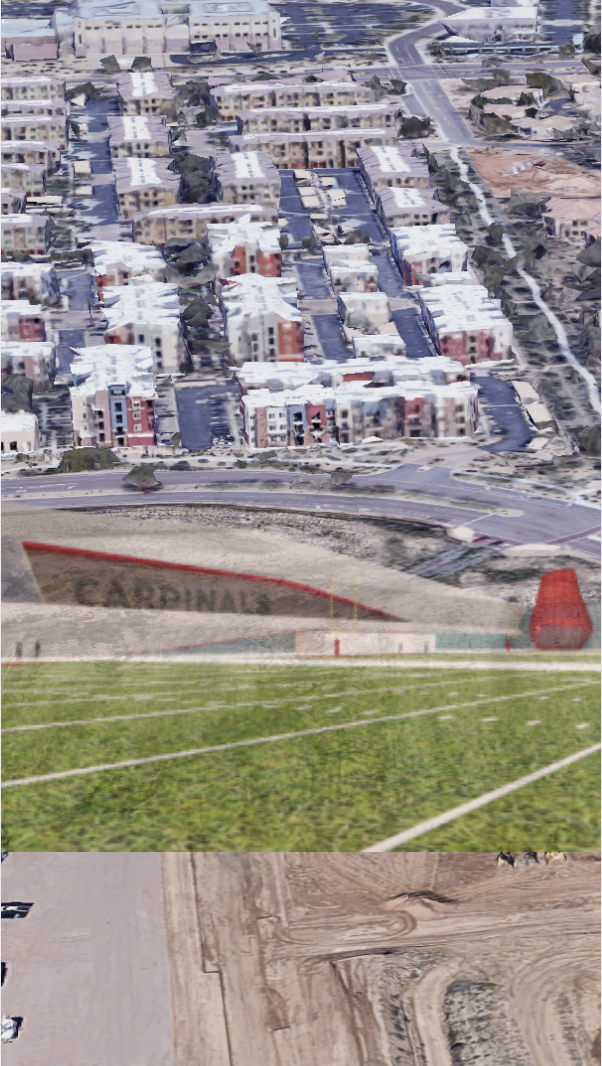 Arizona Cardinals’ $136 Million “Headquarters Alley” Project: How a 217-Acre Deal Will Redefine North Phoenix by 2028
 Public Safety as an Asset Class: The New Scottsdale AdvantageIn today’s Smart City economy, safety isn’t simply about peace of mind—it’s becoming a measurable, marketable asset class. Scottsdale is proving that public safety can be engineered into the fabric of
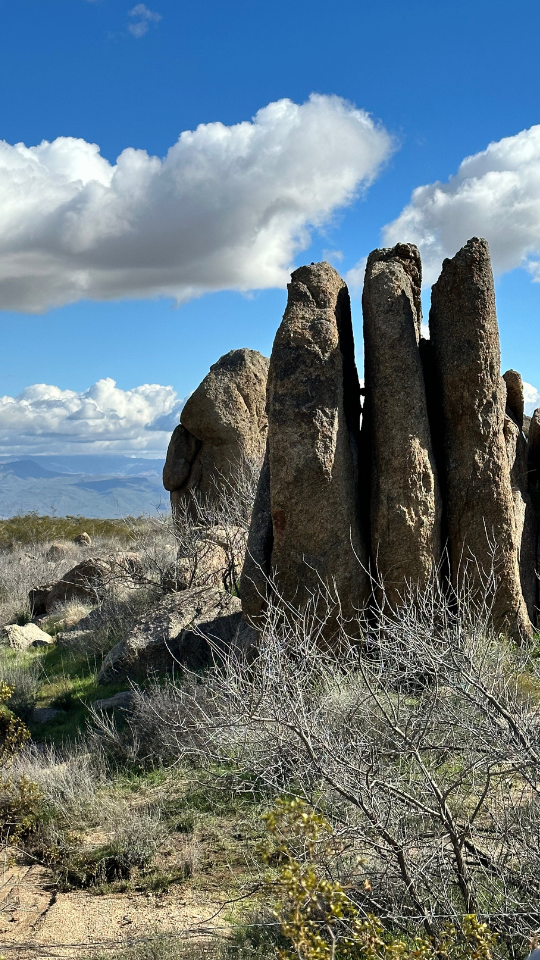 Banner Health’s $400 Million Comeback: How North Scottsdale’s New Hospital Could Redefine Arizona’s Medical CorridorWhen a city’s skyline begins to change, it’s rarely just about architecture—it’s about ambition, identity, and the human stories that will fill those new walls. North Scottsdale is once again standing
Nice to meet you! I’m Katrina Golikova, and I believe you landed here for a reason.
I help my clients to reach their real estate goals through thriving creative solutions and love to share my knowledge.