The downtown Phoenix footprint is being reshaped with multiple high-density residential towers combining amenity, retail, and office space. Many projects are scheduled to open in late 2025. This densification increases urban vitality, supports walkability, and leverages central infrastructure. For investors, premium downtown product may command higher rents and lower vacancy compared to peripheral markets. Permitting, height variances, and façade standards are material regulatory challenges. Municipal tax yield from increased density boosts revenue outlook. From a smart growth perspective, this encourages transit orientation, reduced sprawl, and efficient land use.

Coverage in August 2024 outlined the Upper Canyon (formerly Canyon Reserve) plan near Loop 202, with construction targeted for late 2025/early 2026, signaling one of the last large infill expansions in the village; separately, the shuttered Grace Inn is being converted to 104 luxury apartments tailored to remote-work residents. The city maintains village planning pages for zoning inputs. From a wealth lens, mix and timing matter for absorption. Taxes expand with mixed product delivery. Regulation leans on village plans and hillside/open-space standards. Value stability reflects school access and freeway adjacency. Smart-city benefits include micromobility links and adaptive reuse.
The Building Division activated Cityworks for residential permits in December 2024 and posts contact routes for applicants; permit reports are temporarily offline during migration, while council minutes in August 2025 highlight due diligence on drainage, geotech, bonding and traffic study coordination with ADOT for a residential case. For wealth managers, tighter process control affects schedule risk. Tax and fee revenue track with steady SFR starts. Regulatory diligence signals risk management expectations for developers. Values in Rim Country remain tied to wildfire mitigation and access. Smart-city practice includes portal adoption and integrated reviews.
The town’s 2025 comprehensive schedule and previously adopted wastewater rate ordinance outline stepped increases from 2023-2028 for residential and commercial users, reflecting capital and operating needs in a low-density, environmentally sensitive foothills market; the utility page links the current schedule and meter/service fees. Wealth management models should incorporate the glide path for operating costs on estates and small hospitality assets. Tax and utility fee revenues fund infrastructure life-cycle needs. Regulatory posture combines conservation with cost recovery. Value resilience is tied to limited supply, scenic characteristics, and managed growth. Smart-city overlaps include metering, fire-protection standards, and potential EV-ready rural infrastructure.
Glendale adopted a $1.46B FY25-26 budget with a $478M capital plan aimed at technology, water, traffic and public-safety improvements; across the West Valley, large-scale industrial programs, hospitality megaprojects and event-district infrastructure remain under close policy and voter scrutiny. Wealth planning reads this as a sustained municipal commitment to growth-ready systems. Tax capture scales with logistics, retail, and entertainment activation. The regulatory landscape includes frequent ballot and hearing checkpoints on major entitlements. Value stability tracks executed infrastructure and institutional anchors. Smart-city outcomes include signal timing, public-safety tech, and heat-mitigation elements.
Paradise Valley requires short-term-rental operators to obtain a town permit and comply with safety and contact requirements put in place after Arizona’s STR preemption statute, A.R.S. §9-500.39, limited local bans; the town’s program focuses on nuisance prevention, quiet-enjoyment protections, and rapid point-of-contact response times. The town’s website consolidates responsibilities for hosts, acknowledges state preemption limits, and provides neighbor resources. Wealth and estate managers with STR exposure should model compliance friction and enforcement risk. Tax treatment continues to follow state TPT and local codes, with operators responsible for registration where applicable. Regulators emphasize balancing tourism with neighborhood character under state law constraints. Value stability favors compliant, low-impact rentals and long-term holdings in low-density enclaves. Smart-city implications are modest but include digital reporting and coordinated enforcement workflows.
Tucson’s Planning & Development Services posts weekly permit activity for residential and commercial projects, and outlines “permit review lanes” scaled to project complexity, with homeowner responsibilities defined for plans and inspections—procedural clarity that reduces soft-cost uncertainty. For wealth managers, predictable cycle times improve capital timing. Tax outcomes track more reliable construction throughput. The regulatory environment emphasizes transparency and service area impact fees. Value stability is supported by visibility into pipeline health. Smart-city features include digital dashboards and coordinated inspections.
The Arizona Corporation Commission approved EPCOR to construct and operate a permanent standpipe for Rio Verde Foothills, replacing interim, fragmented arrangements that followed Scottsdale’s January 1, 2023 cutoff; Maricopa County supervisors highlighted the approval as a long-term solution, and EPCOR details the program and facilities needed to deliver bulk water. Wealth holders in nearby custom-home areas should view this as a material de-risking of domestic water logistics. Tax and fee implications include standard utility charges and county reporting. Regulatory history includes county rejection of a DWID (2022) and litigation that failed to compel Scottsdale to resume service, now superseded by the EPCOR fix. Value stability improves with verified supply. Smart-water elements include metered standpipe operations and monitoring.


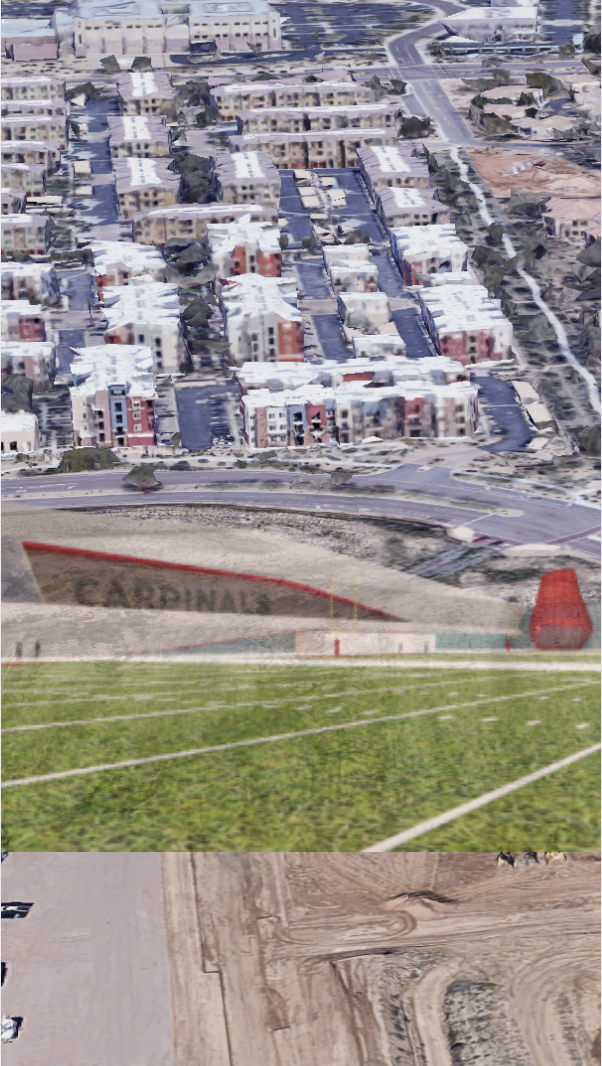 Arizona Cardinals’ $136 Million “Headquarters Alley” Project: How a 217-Acre Deal Will Redefine North Phoenix by 2028
 Public Safety as an Asset Class: The New Scottsdale AdvantageIn today’s Smart City economy, safety isn’t simply about peace of mind—it’s becoming a measurable, marketable asset class. Scottsdale is proving that public safety can be engineered into the fabric of
Nice to meet you! I’m Katrina Golikova, and I believe you landed here for a reason.
I help my clients to reach their real estate goals through thriving creative solutions and love to share my knowledge.