The downtown Phoenix footprint is being reshaped with multiple high-density residential towers combining amenity, retail, and office space. Many projects are scheduled to open in late 2025. This densification increases urban vitality, supports walkability, and leverages central infrastructure. For investors, premium downtown product may command higher rents and lower vacancy compared to peripheral markets. Permitting, height variances, and façade standards are material regulatory challenges. Municipal tax yield from increased density boosts revenue outlook. From a smart growth perspective, this encourages transit orientation, reduced sprawl, and efficient land use.

Phoenix Business Journal confirms Ahwatukee’s new STEM-focused high school will break ground by late 2025, serving 1,000 students. Educational assets bolster neighborhood stability. Arizona tax credits support donations for school infrastructure. Local zoning reserves adjacent parcels for future expansions. Smart building systems ensure low operating costs and sustainable performance.
Scottsdale has witnessed a significant uptick in online engagement related to new home construction, particularly in luxury masterplanned communities. Platforms like ShowingNew and AziqueHomes report growing interest in North Scottsdale projects such as Sereno Canyon and Storyrock, with average new home prices surpassing $1.3 million as of Q2 2025. Scottsdale’s zoning updates and green building incentives contribute to heightened investor attention, especially given Arizona’s property tax cap of 5% annually on primary residences. These developments intersect with smart-city planning, including fiber and electric vehicle infrastructure rollouts, bolstering long-term asset durability.
According to Yardi Matrix, Phoenix’s multifamily vacancy reached 8.5% in May 2025, up from 7.2% the previous year, as net absorption softened despite 11,200 new units delivered year-over-year. Higher vacancies could temper short-term rental income streams for wealth managers. Landlords should monitor property tax assessments as vacant units influence valuations. Legislative focus on housing affordability persists, with municipal incentives encouraging mixed-income projects. Long-term asset resilience hinges on adaptive reuse potential and energy-efficient retrofits aligned with Phoenix’s climate goals.
Masterplanned communities in Tempe and Chandler, such as The Lakes and Ocotillo, are seeing renewed interest from both local and interstate buyers, with Q2 2025 home closings up 6%. Redfin data reveals that these communities consistently outperform metro benchmarks for price stability and resale pace. The cities’ progressive tax policies and robust public infrastructure support multi-generational wealth strategies. Regulatory efforts focus on flood control, mobility innovation, and sustainability mandates for new construction. Homebuilders are piloting smart energy and community Wi-Fi as standard, reinforcing future-proof value for discerning buyers.
As of June 2025, the ARMLS Market Watch reports that active residential listings in Maricopa County have increased 24.1% year-over-year, reaching 17,785 homes. Meanwhile, new contract activity has declined by 11.6% over the same period, signaling demand-side hesitation. The Cromford Market Index has dropped below 110 for Phoenix proper, indicating a gradual shift toward a buyer-favorable balance. From a wealth management lens, this softening may ease entry for cash-heavy buyers looking for longer-term rental yield or multigenerational holds. On the tax side, flatter appreciation could dampen future assessed value hikes. No new legislation is directly constraining inventory, though permitting cycles remain sluggish in outer submarkets. Lower buyer urgency stabilizes values for those with low leverage, and increased inventory supports more efficient smart-city land use over time.
Casa Grande’s position as a logistics hub is driving new housing demand, with several masterplanned projects expanding to meet the needs of the growing workforce. The city’s planning department is working to ensure that new developments are integrated with regional transportation networks. Wealth management strategies highlight Casa Grande’s potential for long-term appreciation as the city’s economy continues to diversify. Tax considerations remain a draw for both individual and institutional investors.
Buckeye issued 1,840 residential permits in masterplanned districts during early 2024, leading the West Valley. Masterplanned communities like Verrado and Tartesso are the primary drivers, offering a mix of entry-level and move-up housing. Investors are attracted by the city’s proactive infrastructure investments and water-assured certificates. Tax districts (CFDs) within these communities fund essential amenities, creating a self-sustaining fiscal model that supports long-term property values. Regulatory focus on drought-tolerant landscaping and sustainable building codes aligns with modern wealth preservation goals.


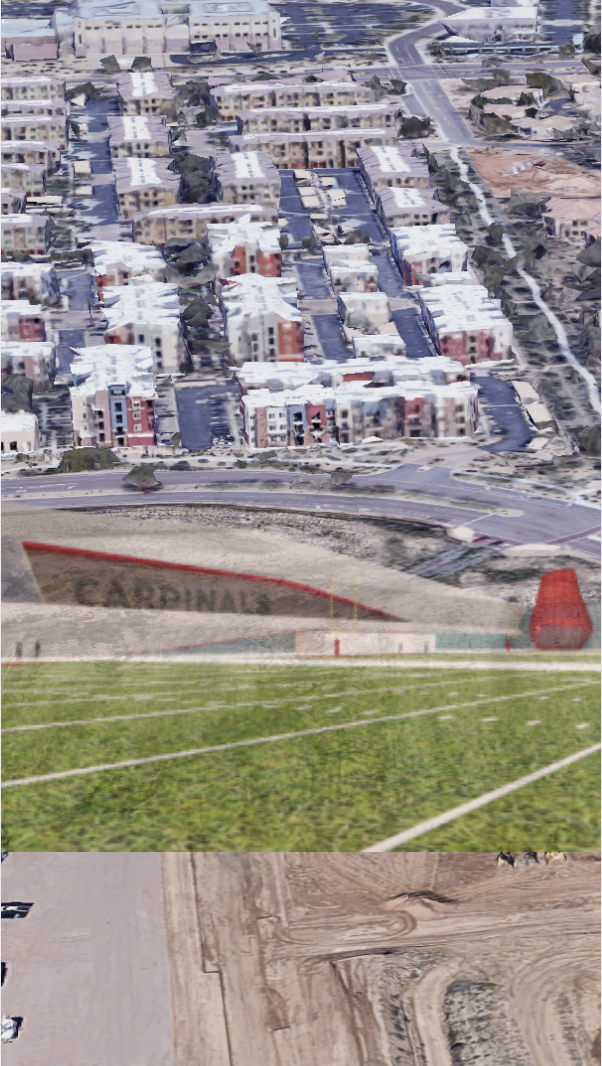 Arizona Cardinals’ $136 Million “Headquarters Alley” Project: How a 217-Acre Deal Will Redefine North Phoenix by 2028
 Public Safety as an Asset Class: The New Scottsdale AdvantageIn today’s Smart City economy, safety isn’t simply about peace of mind—it’s becoming a measurable, marketable asset class. Scottsdale is proving that public safety can be engineered into the fabric of
Nice to meet you! I’m Katrina Golikova, and I believe you landed here for a reason.
I help my clients to reach their real estate goals through thriving creative solutions and love to share my knowledge.