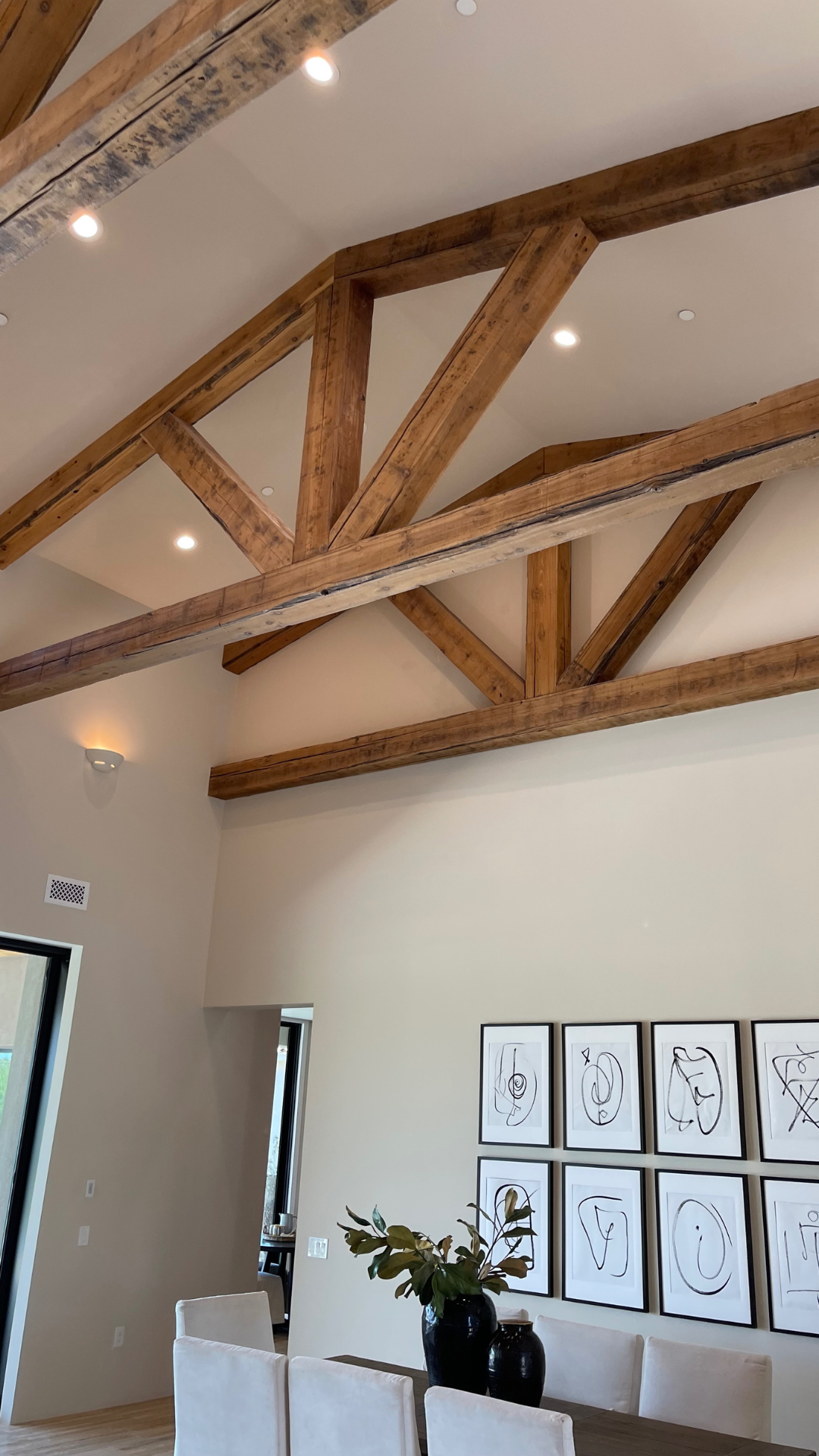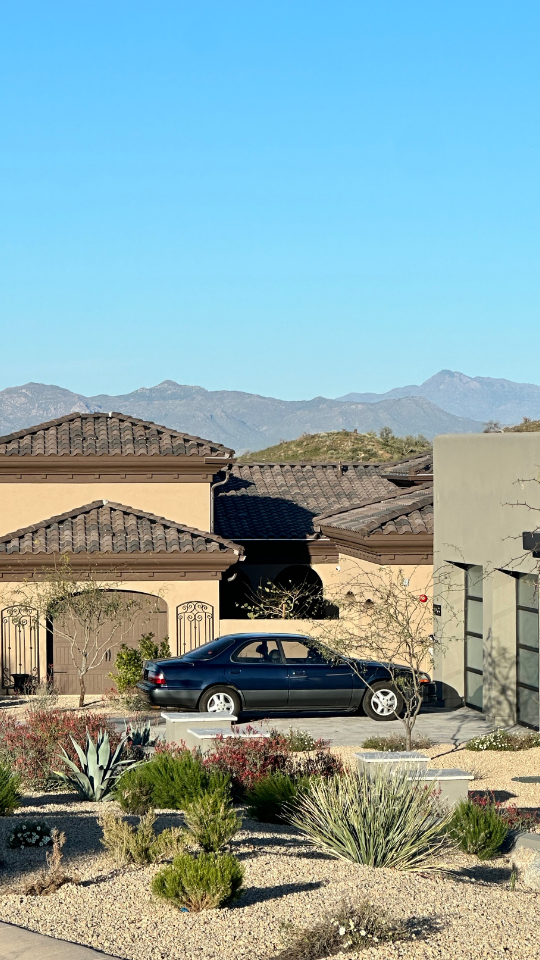
The downtown Phoenix footprint is being reshaped with multiple high-density residential towers combining amenity, retail, and office space. Many projects are scheduled to open in late 2025. This densification increases urban vitality, supports walkability, and leverages central infrastructure. For investors, premium downtown product may command higher rents and lower vacancy compared to peripheral markets. Permitting, height variances, and façade standards are material regulatory challenges. Municipal tax yield from increased density boosts revenue outlook. From a smart growth perspective, this encourages transit orientation, reduced sprawl, and efficient land use.

Anthem home prices were up 5.4% year over year in August 2025 with a $504,950 median and 70 days on market. New River’s median was $900,000, down 10.0%, with 98 days on market and 23 sales. ZIP 85086 recorded a $645,000 median, up 9.3%, with 85 days on market. ZIP 85087 posted a $631,950 median, up 4.0%, with 100 days on market. Rio Verde’s median was $689,900, down 24.6%, with 199 days on market and five sales. Wealth planning should budget for larger lots’ maintenance and insurance, which scale with acreage and outbuildings. County property tax rate moderation to 1.348 marginally supports ownership costs at higher price points. Scottsdale’s temporary water access for Rio Verde Foothills and EPCOR’s system build remain key to service certainty. ADWR’s assured water supply framework continues to guide subdivision approvals and designated provider reliance. For value stability, proximity to I-17 and Loop 101/303 interchanges sustains commuter demand. Luxury segments show wider bid-ask spreads as days on market rise with price. Energy-efficient retrofits and water-wise landscaping remain differentiators for utility outlays. Mortgage rates near 6.35% aid contingent move-ups but do not fully offset premium pricing. Inspection-period concessions remain common for well-and-septic issues. Inventory skew to single-story designs favors age-in-place profiles.
Fountain Hills recorded a median sale price about $650,000 in August 2025, down 9.2% year over year, with average days on market rising to 113 from 89 as 51 homes sold versus 47, highlighting selective absorption at view-oriented price points. At the ZIP level, 85268’s median near $617,000 fell 9.8% with 89 days on market on average, confirming softness across product tiers. Cave Creek’s median reached roughly $1.13 million, up 29.0% year over year on 15 closings versus 6, reflecting thin-sample luxury swings. ZIP 85331 showed a median near $834,000, up 4.2%, with sales rising to 155 and average marketing time at 89 days, signaling broader-based momentum than headline medians imply. Carefree’s median around $1.36–$1.40 million increased 29.0%, yet average days on market expanded to 126 from 69 with only eight sales, underscoring liquidity considerations for wealth managers. Assessed values at these price bands warrant attention for estate and charitable planning. Regional water-supply governance within the Phoenix AMA frames long-term building feasibility and supports value durability. Smart-landscaping and energy-efficient envelope requirements in design review add operational resilience for hillside assets.
Queen Creek’s median sale price was $650,000 in August 2025, up 5.0% year over year, with 93 days on market and 132 sales. Apache Junction’s median was $399,000, down 0.25%, with 66 days on market and 33 sales. Gold Canyon’s median reached $578,514, up 13.4%, with 138 days on market and 19 sales. Florence posted a $333,000 median, down 11.6%, with 92 days on market and 25 sales. Wealth planning should account for divergent HOA structures and utility costs across Pinal versus Maricopa jurisdictions. Property tax cash-flow timing follows the county schedule with halves due in October and March. ADWR states the days of utilizing native groundwater for development in Pinal are over, steering entitlements toward renewable supplies, designations, and Ag-to-Urban pathways. Queen Creek advanced an updated Transportation Master Plan in 2025 to handle rapid growth. The town also launched an Intelligent Transportation Systems project in July 2025 to install fiber and signal connectivity. For value stability, arterial and regional mobility upgrades tend to compress commute volatility. Sustainability considerations include assured water supply compliance and conservation investments embedded in provider designations. Mortgage rate relief near 6.35% helps offset affordability pressure from higher new-build specs. Developers continue to adjust incentives rather than headline prices where absorption slows. Inventory remains variable block-to-block due to build cycles and lot delivery timing.
Arizona’s for-sale inventory reached 45,261 homes in August 2025, up 16.4% year over year, indicating broader choice for buyers and more segmented pricing power by micro-location. New listings fell about 9% year over year, implying part of the inventory growth stems from longer marketing times and relisting strategies. In May, Phoenix led the nation in delistings at about 30 per 100 listings, a Realtor.com-based signal of seller recalibration visible in second-half pricing tactics. By late June, roughly 47% of Phoenix listings were “stale” at 60+ days, highlighting slower deal velocity and heightened price-cut sensitivity. For wealth managers, this environment favors structured negotiations and staged bids. Property tax planning should account for assessment trajectories that may lag actual clearing prices. Rule changes around small-scale infill could gradually relieve pressure in specific neighborhoods. Value stability hinges on holding periods aligned to product liquidity bands. Sustainability upgrades can differentiate listings that might otherwise linger.
The August 2025 ARMLS STAT charts document listings, sales, and price-per-square-foot series for the metro, with average $/sf near $291 and median $/sf near $264, indicating restrained month-to-month variance during peak heat season. Listings tallied across recent months highlight a mid-year listing pulse followed by selective withdrawals, consistent with the delisting trend observed in external datasets. For wealth planning, stable $/sf bands inform underwriting for premium renovations versus turnkey offerings. Valuation and depreciation decisions benefit from $/sf discipline across tract and custom subsegments. Regulatory updates around middle housing and ADUs can affect comparative $/sf through lot-yield economics. Value stability is enhanced where micro-markets pair updated mechanicals and energy features with school-district strength. Sustainability retrofits that reduce cooling loads can move $/sf outcomes at appraisal. Smart-city investments continue to support long-run livability fundamentals.
Governor Hobbs signed legislation in mid‑2025 allowing the sale of agricultural water rights to housing developers in rapidly growing areas such as Buckeye and Queen Creek, bypassing previous groundwater moratoria and unlocking new subdivision expansion. From a wealth‑management standpoint, this opens capital‑intensive, land‑adjacent development opportunities—but introduces water‑security risk in long‑term holding models. The regulatory shift reflects intentional policy to facilitate suburban expansion, though critics deem it insufficient for drought mitigation. Smart‑city advocates are watching how new clusters incorporate water‑efficient design, reclaimed water systems, or LEED‑style site certification. Over time, these water‑driven legislative changes may influence property‑value stability in high‑growth corridors.
Transit-oriented developments (TODs) along the light rail corridors in Tempe and Mesa are recording 15% higher occupancy rates and 8% higher rent premiums compared to non-transit adjacent properties. Valley Metro reports that over $2 billion in private investment has been funneled into these corridors in the past 24 months. Wealth managers emphasize the stability of these assets due to their resilience against fuel price fluctuations and strong appeal to Gen Z and Millennial renters. Municipal legislation in both cities provides density bonuses and reduced parking requirements for TOD projects, enhancing developer margins and asset liquidity. Smart-city infrastructure, including real-time transit tracking and public EV charging hubs, is a standard feature of these high-density clusters.


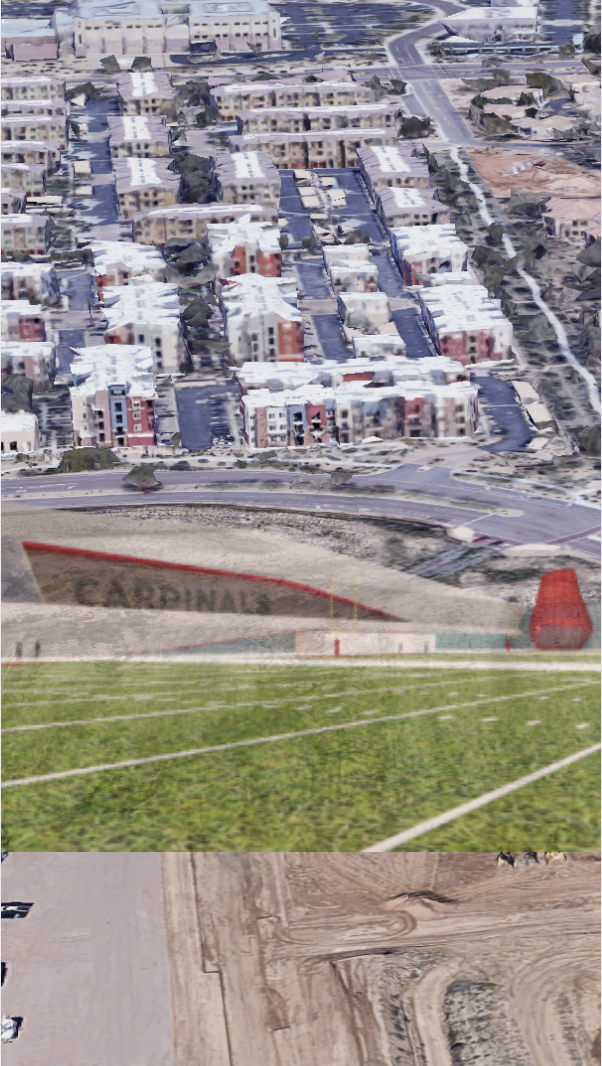 Arizona Cardinals’ $136 Million “Headquarters Alley” Project: How a 217-Acre Deal Will Redefine North Phoenix by 2028
 Public Safety as an Asset Class: The New Scottsdale AdvantageIn today’s Smart City economy, safety isn’t simply about peace of mind—it’s becoming a measurable, marketable asset class. Scottsdale is proving that public safety can be engineered into the fabric of
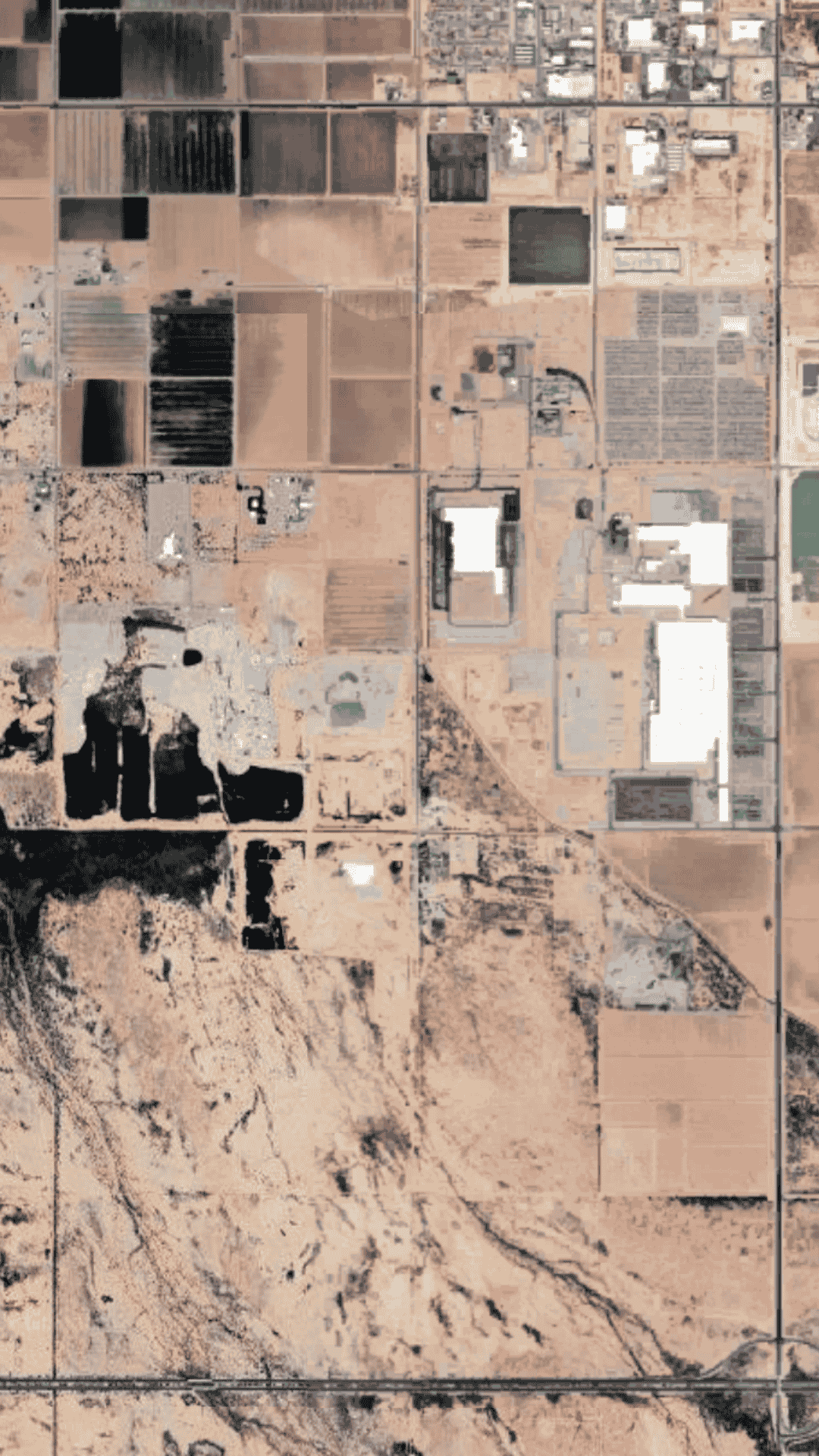 Casa Grande’s Next Industrial Leap: The $70M Chemical Plant Powering Arizona’s Advanced Manufacturing FutureSomething transformative is taking shape in Casa Grande—a story that’s less about chemicals and more about chemistry: the synergy between innovation, infrastructure, and local resilience. Brazilian
 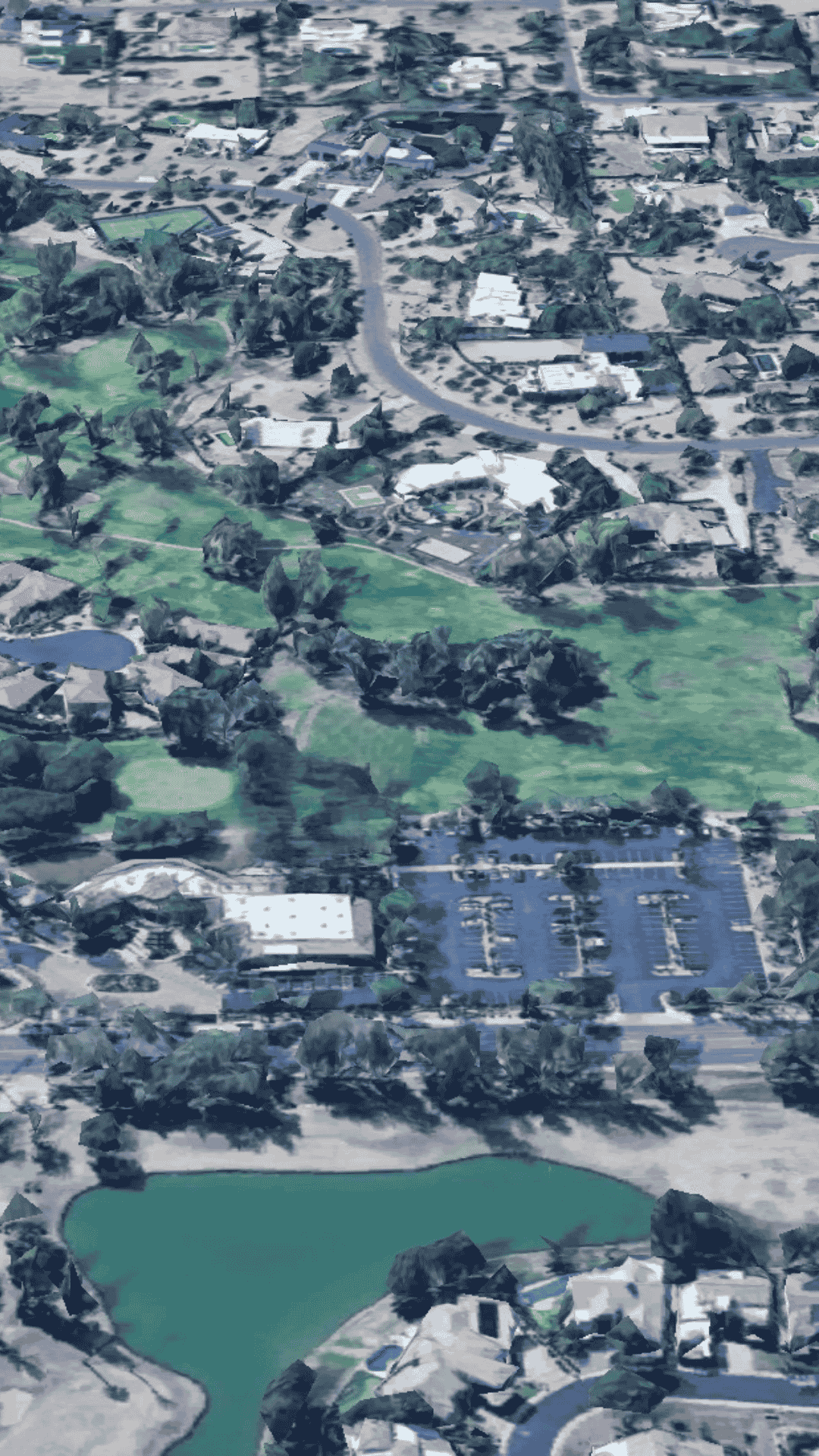 Starfire Golf Club Redevelopment: Scottsdale’s Seven-Home Vision Balancing Heritage, Sustainability, and Smart GrowthIn the evolving tapestry of Scottsdale’s urban landscape, the concept of redeveloping a portion of the Starfire Golf Club into a small enclave of just seven homes is capturing attention. This vision
 Nice to meet you! I’m Katrina Golikova, and I believe you landed here for a reason.
I help my clients to reach their real estate goals through thriving creative solutions and love to share my knowledge.