Chandler has reached 88% build-out capacity, Gilbert 82%, and Mesa 76%, with August 2025 records showing a 7% year-to-date decline in residential building permits. This signals a shift toward strategic infill projects and adaptive reuse, such as Chandler’s repurposing of vacant retail centers into mixed-use hubs. For wealth portfolios, this reduces reliance on raw land appreciation and emphasizes redevelopment premiums. Tax considerations include recalibrated valuations from adaptive reuses that may alter depreciation schedules. Arizona’s HB2110 on accessory dwelling units is expected to influence smaller-lot redevelopment viability. Long-term stability in these cities is supported by job diversity and strong demographic inflows, while smart-city initiatives, such as Gilbert’s expansion of fiber-optic broadband, support sustainable community growth.

The Maricopa County Planning & Development Department is currently reviewing a series of major updates to the County Zoning Ordinance (MCZO), the first comprehensive overhaul in over two decades. The update process covers updates to rural and unincorporated area zoning, lot splits, and use permissions, aiming to align regulations with new state housing legislation. Wealth managers and real estate tax advisors should anticipate changes to entitlements and possible impacts on legacy land holdings. These reforms may affect future value trajectories, particularly in transition zones, by supporting more flexible development. The county’s planning department is actively soliciting input from local property owners and professional associations, reflecting a move toward participatory regulatory models and digital transparency.
Mesa’s Planning Division unveiled a master plan for the West Gateway district, incorporating large-scale bio-retention basins and greenways. New residential developers must comply with updated stormwater retention codes, balancing higher upfront costs with lower long-term drainage fees. Such resilience measures shield assets from flood damage risks, preserving insurability and enhancing market reputation for eco-sensitive buyers.
Surprise’s April 2025 fee schedule details building permit and inspection fees, plan-review rates, civil-engineering permits, self-certification meeting fees, and itemized solar permitting charges, bringing cost transparency to applicants and aligning with service-delivery standards; an economic development update promotes incubator programs and site-selection resources. For wealth planners, predictable fees reduce underwriting noise. Taxes and fees fund capital improvements. Regulatory predictability increases developer confidence. Value stability benefits from transparent municipal processes. Smart-city initiatives include entrepreneurship support and streamlined online services.
The city updated its permits and applications page in March 2025 to clarify that manufactured/factory-built placement permits are now handled via state installation processes, while city building permits remain required; the Building Safety page lists inspection timelines, codes and contacts. Wealth holders planning attainable product mixes should adjust entitlement and schedule assumptions. Tax and fee revenue reflect continued SFR and accessory project activity. Regulatory frameworks coordinate state and local jurisdiction roles. Value stability improves with code-compliant installations. Smart-city elements include online submittals and inspection scheduling.
The Phoenix metropolitan area recorded 5,470 new home closings in masterplanned communities during the first half of 2024, with communities like Eastmark, Vistancia, and Verrado continuing to attract strong buyer interest. According to recent ARMLS data, the median new home price in Greater Phoenix rose to $545,000 in May 2024, a 4.2% year-over-year increase, reflecting ongoing demand despite higher interest rates. Wealth management strategies now emphasize allocation in high-amenity, masterplanned environments for both value appreciation and legacy transfer. Arizona's property tax regime remains competitive, especially for primary residents and retirees. Local ordinances increasingly require communities to adopt water efficiency and renewable energy features, boosting long-term asset resilience and aligning with ESG investment preferences.
The County’s Long-Range Planning hub lists area plans, including Daisy Mountain/New River and Rio Verde Foothills, which guide land-use character outside incorporated cities. New River plan appendices document definitions and policy terms for rural-suburban transitions. In March 2025, Maricopa County published Framework 2040’s Vision Report to direct decisions on where housing and jobs locate on unincorporated lands over the next two decades. For wealth planning, awareness of county-level plan direction reduces entitlement uncertainty. Tax structures depend on annexation, special districts, and county services. Regulatory context spans subdivision statutes, area plans, and ADWR well rules for domestic supplies. Future value resiliency benefits from road, fire, and water planning. Smart-county themes include GIS mapping and online case tracking.
Scottsdale’s March 2025 Infrastructure Improvements Plan (Water & Wastewater) and Land Use Assumptions update proceeded to public hearing in February and Council consideration in April, per the city’s notice and Resolution 13370 exhibits. These updates under Arizona’s impact fee statutes help align growth with backbone utilities and cost recovery. For wealth planning, fee clarity informs underwriting on infill and redevelopment. Taxes are complemented by rate-funded enterprise systems. Regulatory transparency reduces timing risk. Value stability improves when utility capacity and funding align. Smart-city water planning includes reclaimed systems and demand management.


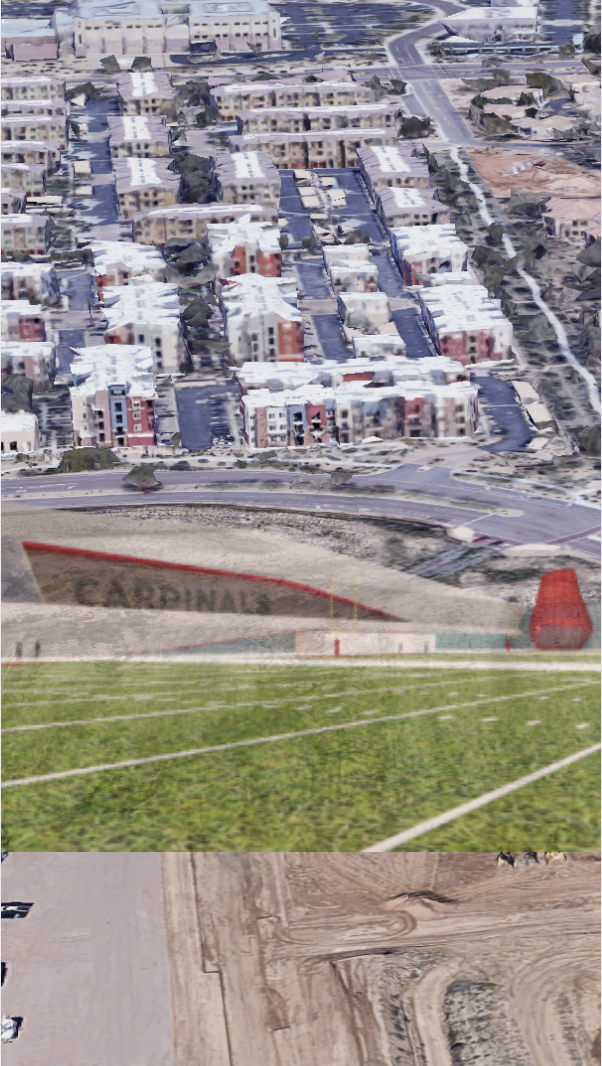 Arizona Cardinals’ $136 Million “Headquarters Alley” Project: How a 217-Acre Deal Will Redefine North Phoenix by 2028
 Public Safety as an Asset Class: The New Scottsdale AdvantageIn today’s Smart City economy, safety isn’t simply about peace of mind—it’s becoming a measurable, marketable asset class. Scottsdale is proving that public safety can be engineered into the fabric of
 How To Passively Grow Equity With A New-Build Home—Without Sacrificing Lifestyle Or Peace Of MindIn today’s housing market, timing and strategy often feel like everything. With construction cranes rising across places like North Scottsdale, Queen Creek, Goodyear, and Surprise, many buyers are
 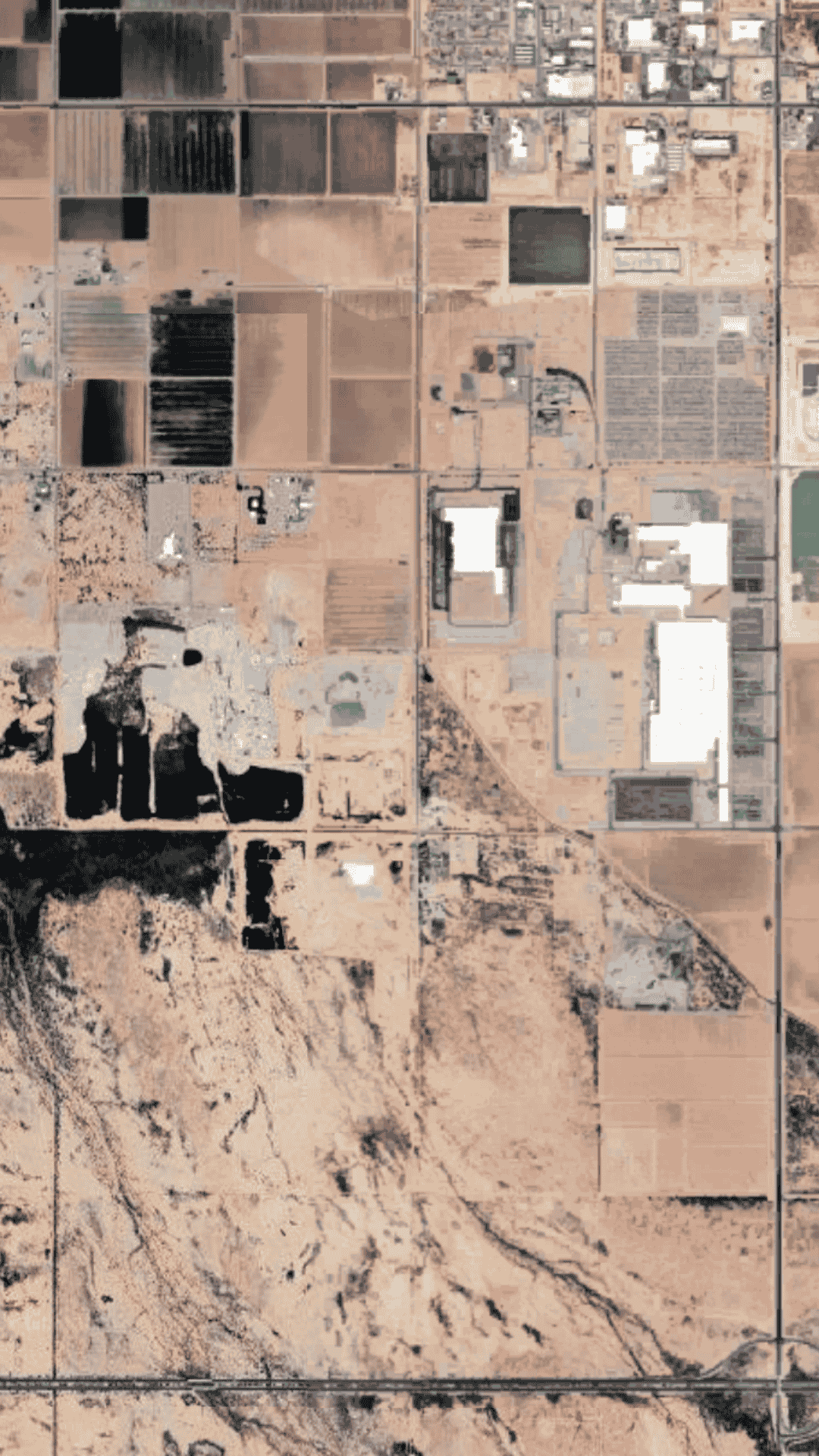 Casa Grande’s Next Industrial Leap: The $70M Chemical Plant Powering Arizona’s Advanced Manufacturing FutureSomething transformative is taking shape in Casa Grande—a story that’s less about chemicals and more about chemistry: the synergy between innovation, infrastructure, and local resilience. Brazilian
 Nice to meet you! I’m Katrina Golikova, and I believe you landed here for a reason.
I help my clients to reach their real estate goals through thriving creative solutions and love to share my knowledge.