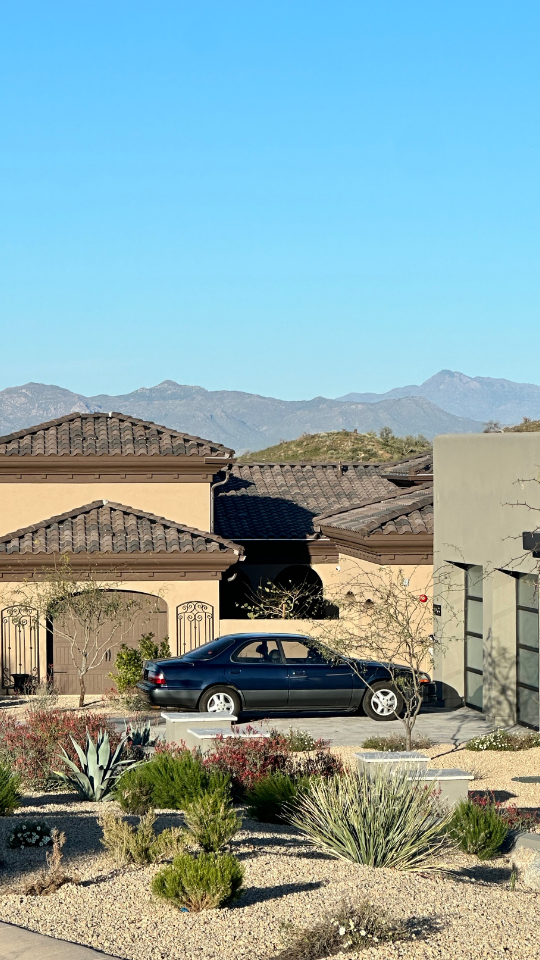
Under Phoenix’s Housing Phoenix Plan, the city has fast-tracked affordable housing and preservation efforts, having delivered or preserved more than 50,000 units—5,000 ahead of schedule. The current pipeline includes many “fully affordable” developments (not just mixed income). This scale matters for social stability, workforce housing, and mitigating extreme rent inflation. From a wealth management lens, affordable housing is lower yield but lower volatility. In the regulatory sphere, city incentives, density bonuses, or fee waivers often undergird such projects. In smart-city frameworks, affordability is integral to inclusive growth.

Glendale’s council approved a $1.46 billion FY25-26 budget with a $710 million operating component and a $478 million capital plan emphasizing technology, water, traffic and public-safety investments; in parallel, ballot measures concerning a 10-acre component of the 66-acre VAI Resort went to a May 2025 special election after a citizen petition, highlighting community scrutiny over open-space zoning conversions. For wealth strategies, modernized infrastructure underpins long-term asset performance. Tax capacity grows with major hospitality activation. The regulatory story shows referendum risk in mega-projects. Value stability hinges on execution and visitor demand capture. Smart-city benefits include traffic management and event-district systems integration.
In May 2025 Fountain Hills rolled out an online portal to register short-term rentals, instructing existing operators to obtain required permits within 60 days and warning of penalties for noncompliance; the town’s rental page clarifies that registration is required and outlines long-term vs. short-term status changes prior to advertising stays under 30 days. Portfolio managers should account for administrative timing and modest operational costs; the town indicates no local permit fee but requires registration and adherence to state TPT where applicable. Regulatory context reflects Arizona’s evolving STR framework, pairing state preemption with local nuisance enforcement. Value stability for STR-adjacent holdings improves with orderly compliance. Smart-city angles include digitized licensing and data capture to monitor trends.
In May 2025 GTI Energy announced a $33 million initial investment, with up to $20 million more, to open a 530,000-square-foot plant at Lakin Park serving renewable-energy and data-center markets; the city also promoted GSQ openings and sought master developers for a 58-acre Ballpark Village destination, signaling sustained west-Valley job and amenity growth. Wealth portfolios gain industrial diversification alongside retail placemaking. Tax receipts should rise with payroll, sales and property contributions. Regulatory processes are framed by economic-development targets. Value resilience improves with employer and amenity clustering. Smart-city elements include advanced manufacturing, EV-ready fleets and integrated district mobility.
Phoenix‐area realtors report that in May 2025, active listings were ~50 % higher than in May 2024, while average days on market increased between 16 % and 23 %. This suggests that buyer demand is not keeping pace with new supply additions. Many buyers cite high mortgage rates and macroeconomic uncertainty as headwinds. For wealth strategies, this environment favors patience and negotiation. On tax fronts, slower turnover may restrain upward assessments. Regulatory response may include offering tax credits or incentives to stimulate movement in stalled inventory zones. Value stability is more challenged in peripheral areas; core or amenity-rich locations may resist stagnation better. In smart-city design, districts with walkability or transit access may absorb inventory more readily under weaker demand.
A May 13, 2025 Development Review agenda featured a new 20-story mixed-use project (LEO Tempe) at 835 S Rural Rd totaling ~786 units and additional mixed-use infill, indicating durable high-density momentum in Tempe’s core corridors, and the city set public meetings in July–August 2025 to update residential zoning to comply with 2024 state housing legislation, formalizing process and reducing project friction. For wealth management, the mix of height, unit scale and university-proximate demand supports long horizon underwriting. Tax outcomes include incremental sales and property revenue as projects deliver. The legislative context binds local zoning to state mandates. Value stability in Tempe generally correlates with transit, campus adjacency and employment. Smart-city facets include micromobility, shade, and energy-efficient multifamily systems.
Surprise’s April 2025 fee schedule details building permit and inspection fees, plan-review rates, civil-engineering permits, self-certification meeting fees, and itemized solar permitting charges, bringing cost transparency to applicants and aligning with service-delivery standards; an economic development update promotes incubator programs and site-selection resources. For wealth planners, predictable fees reduce underwriting noise. Taxes and fees fund capital improvements. Regulatory predictability increases developer confidence. Value stability benefits from transparent municipal processes. Smart-city initiatives include entrepreneurship support and streamlined online services.
The city updated its permits and applications page in March 2025 to clarify that manufactured/factory-built placement permits are now handled via state installation processes, while city building permits remain required; the Building Safety page lists inspection timelines, codes and contacts. Wealth holders planning attainable product mixes should adjust entitlement and schedule assumptions. Tax and fee revenue reflect continued SFR and accessory project activity. Regulatory frameworks coordinate state and local jurisdiction roles. Value stability improves with code-compliant installations. Smart-city elements include online submittals and inspection scheduling.


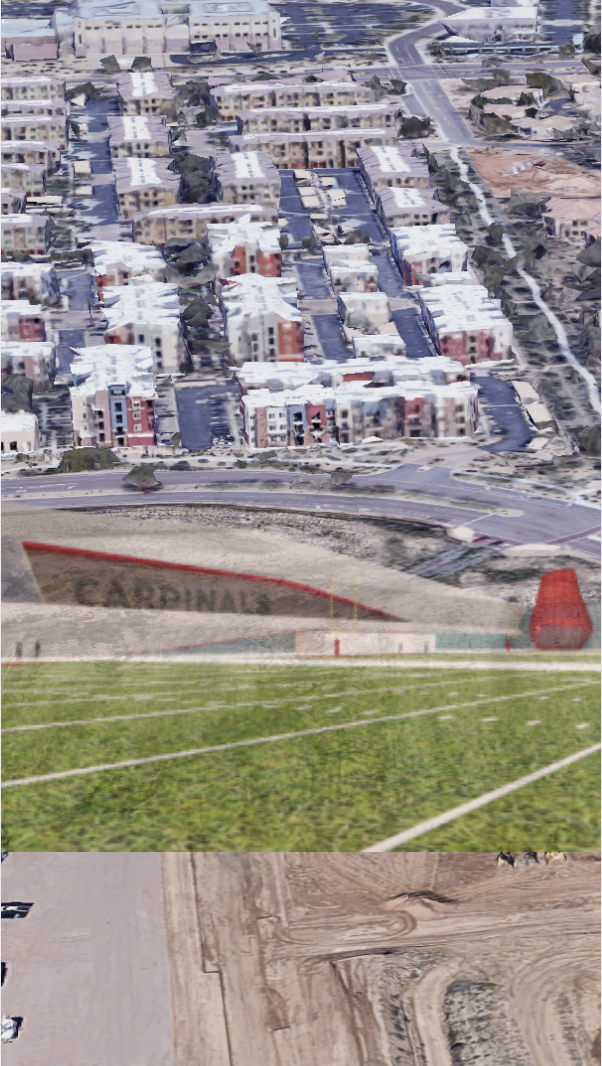 Arizona Cardinals’ $136 Million “Headquarters Alley” Project: How a 217-Acre Deal Will Redefine North Phoenix by 2028
 Public Safety as an Asset Class: The New Scottsdale AdvantageIn today’s Smart City economy, safety isn’t simply about peace of mind—it’s becoming a measurable, marketable asset class. Scottsdale is proving that public safety can be engineered into the fabric of
 Scottsdale’s $40 Million Old Town Transformation: What It Means for the FutureIn the heart of Scottsdale, change is underway. The city has committed $40 million to transform Old Town Scottsdale’s public realm: streets will be rebuilt, shade and landscaping added, sidewalks
 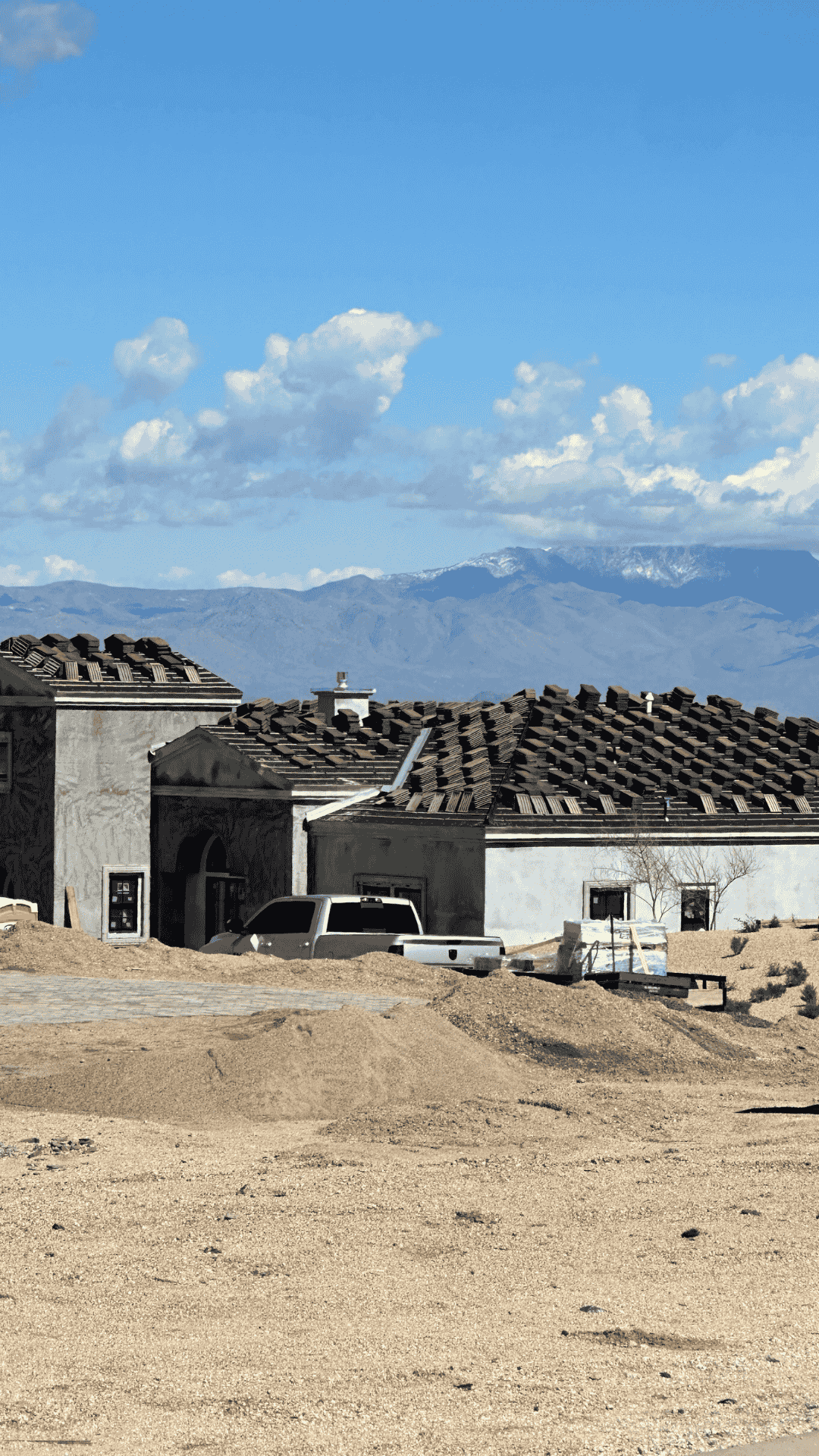 The Future Of Work Is Changing Where We Live – 100 New High-Paid Jobs By 2075In the next 50 years, over 100 emerging high-paid professions will reshape how and where we live. From AI psychologists to space economy
 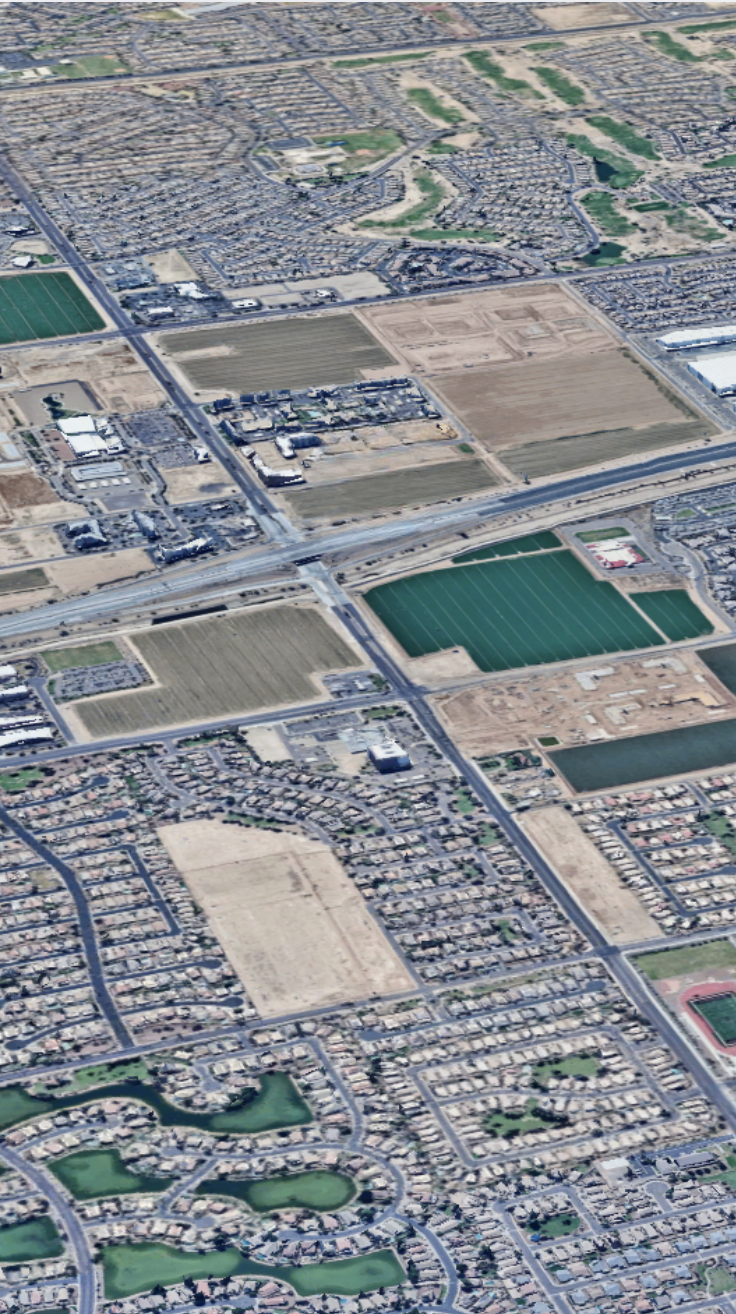 Avondale Tech Center: How the 117th Avenue & Corporate Drive Business Park Is Shaping the Future of Jobs, Housing, and Smart Growth in Arizona’s West ValleyThe 38-net-acre site at the north-west corner of Corporate Drive and 117th Avenue in Avondale, Arizona, situated just south of the Interstate 10 (I-10) and adjacent to key logistics corridors in the
 Nice to meet you! I’m Katrina Golikova, and I believe you landed here for a reason.
I help my clients to reach their real estate goals through thriving creative solutions and love to share my knowledge.